
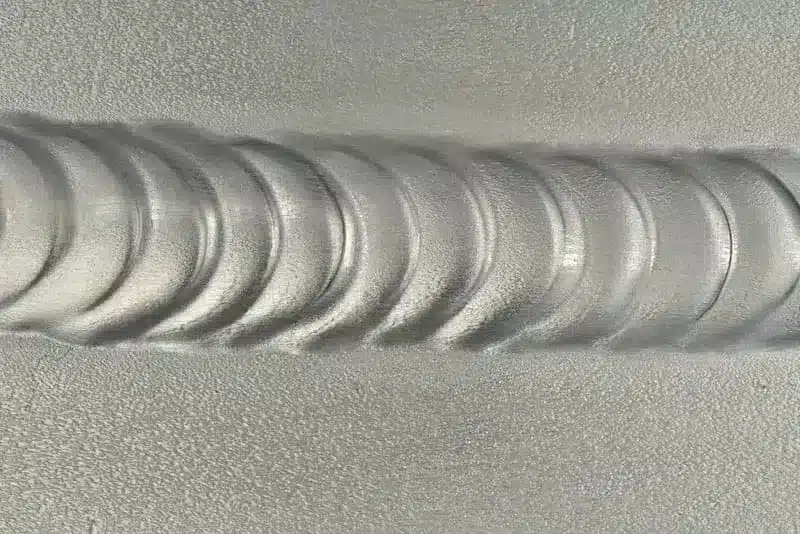
Laser welding aluminum has emerged as the premier method for joining this versatile yet challenging metal. Whether you’re in automotive manufacturing, aerospace engineering, or metal fabrication, mastering aluminum laser welding techniques can significantly improve your production quality and efficiency. This comprehensive guide explores why laser welding stands out as the optimal solution for aluminum and provides practical insights to help you achieve professional results.
Understanding Aluminum’s Unique Properties and Challenges
Aluminum is prized across industries for its exceptional strength-to-weight ratio and outstanding corrosion resistance. However, these beneficial properties also create significant welding challenges that must be addressed with specialized techniques.
What Makes Aluminum Special?
Aluminum is lightweight, strong, and highly resistant to corrosion, making it ideal for applications ranging from aerospace components to automotive parts and construction materials. Its versatility has made it a go-to material in industries where weight reduction and durability are paramount.
Common Challenges When Welding Aluminum
Surface Oxide Layer: A thin but stubborn oxide layer forms on aluminum when exposed to air. This layer has a significantly higher melting point than the base metal (approximately 2000°C compared to aluminum’s 660°C), creating a barrier to effective welding. Without proper removal, this layer leads to weak joints and porosity issues.
High Thermal Conductivity: Aluminum conducts heat about 4-5 times faster than steel, dissipating heat rapidly throughout the material. This makes it difficult to maintain the focused heat needed for welding, often resulting in distortion and deformation of surrounding areas.
Low Melting Point: Despite its oxide layer’s high melting point, aluminum itself melts at a relatively low temperature. This creates a narrow processing window where too much heat causes burn-through while too little results in incomplete fusion.
Porosity Risk: Hydrogen solubility in aluminum increases dramatically when molten, leading to gas entrapment and porosity in the cooling weld. This significantly weakens the joint and compromises structural integrity.
Why Laser Welding Is Superior for Aluminum
Laser welding has revolutionized aluminum joining processes, offering solutions to many of the challenges that plague traditional welding methods.
Precision Heat Control
Laser welding delivers a highly focused beam that concentrates heat exactly where needed. This precision is crucial for aluminum, as it minimizes the heat-affected zone (HAZ) and reduces distortion. The concentrated energy allows for deep penetration while keeping surrounding areas relatively cool, preserving the material’s structural integrity.
Minimal Distortion
The focused nature of laser welding creates a minimal heat-affected zone, significantly reducing warping and distortion common with other welding methods. This is particularly important for thin aluminum sheets and precision components where dimensional accuracy is critical.
Speed and Efficiency
Laser welding operates at significantly higher speeds than traditional methods, increasing productivity without sacrificing quality. Modern laser welding systems can process aluminum components rapidly, making them ideal for high-volume production environments.
Superior Weld Quality
Laser welds on aluminum are characterized by their clean appearance, high strength, and minimal need for post-processing. The precision of the laser beam creates consistent, reliable joints with excellent mechanical properties.
Versatility Across Thicknesses
From ultra-thin foils to thick structural components, laser welding can be adapted to handle various aluminum thicknesses by adjusting power settings and welding parameters. This versatility makes it suitable for diverse applications across industries.

Laser Welding Equipment for Aluminum
Selecting the right laser welding equipment is crucial for successful aluminum welding.
Types of Lasers for Aluminum Welding
Fiber Lasers: These have become the industry standard for aluminum welding due to their high precision, efficiency, and reliability. Fiber lasers provide excellent beam quality and are particularly effective for thin to medium-thickness aluminum.
Diode Lasers: More compact and affordable than fiber lasers, diode lasers offer better energy absorption when welding aluminum, minimizing reflective losses. They’re ideal for smaller workshops and less demanding applications.
CO2 Lasers: While less common for aluminum due to reflectivity issues, CO2 lasers can still be effective for certain aluminum alloys with proper parameter settings.
Nd: YAG Lasers: These lasers offer good penetration capabilities for thicker aluminum pieces but may be less efficient than fiber lasers for most aluminum applications.
Power Requirements for Different Thicknesses
The power requirements for laser welding aluminum vary based on material thickness:
Thin Aluminum (<1mm): 500-1000 watts is typically sufficient, with a focus on maintaining high welding speed to prevent heat buildup and distortion.
Medium Thickness (1-5mm): 1000-3000 watts provides the necessary heat input for proper penetration while maintaining control over weld quality.
Thick Aluminum (>5mm): 3000+ watts ensures adequate penetration for thicker sections, though multi-pass welding may be employed to manage heat input and minimize distortion.
The Laser Welding Process for Aluminum
Preparation is Critical
Surface Cleaning: Thoroughly clean the aluminum surface to remove the oxide layer, oils, and contaminants using wire brushing, solvents, or chemical etching. This step is non-negotiable for quality welds.
Joint Design: Ensure precise fit-up between components, as laser welding requires tight tolerances for optimal results. Gap-free joints are ideal for preventing defects.
Fixturing: Use proper clamping and fixturing to prevent movement during welding, as even slight shifts can compromise weld quality.
Optimal Welding Parameters
Laser Power: Select appropriate power based on material thickness, typically ranging from 500W for thin sheets to 5000W for thicker sections.
Welding Speed: Balance speed with power—too slow causes overheating and cracking, while too fast results in weak welds. Recommended speeds range from 20mm/s to 100mm/s, depending on thickness and power settings.
Focal Length: Adjust the focus point based on material thickness to ensure proper penetration without surface overheating.
Shielding Gas: Use high-purity argon or helium to protect the weld pool from oxidation and contamination, ensuring clean, strong welds.
Welding Modes
Continuous Wave (CW): Ideal for most aluminum welding applications, providing stable, consistent output for uniform welds.
Pulsed Mode: Excellent for thin aluminum sheets, offering precise heat control by delivering energy in short bursts, reducing the risk of distortion.
Advanced Techniques for Professional Results
Preheating for Thick Sections
For aluminum sections exceeding 5mm, preheating can help minimize thermal shock and reduce cracking risk. This technique ensures more uniform heat distribution and improves weld quality on thicker materials.
Filler Material Selection
When welding dissimilar aluminum alloys or bridging gaps, selecting a compatible filler material is crucial. The filler must match the base alloy composition to prevent galvanic corrosion and ensure proper fusion.
Multi-Pass Welding
For thick aluminum sections, multi-pass welding with medium-power lasers can provide better heat management than a single high-power pass. This approach minimizes distortion while ensuring complete penetration.

Industry Applications of Aluminum Laser Welding
Automotive Manufacturing
The automotive industry has embraced laser welding for aluminum components, particularly as vehicles trend toward lightweight construction for improved fuel efficiency. Applications include battery enclosures for electric vehicles, chassis components, and body panels. The precision and minimal distortion of laser welding are particularly valuable for maintaining dimensional accuracy in these critical components.
Aerospace Engineering
In aerospace applications, where weight reduction and structural integrity are paramount, laser welding provides the perfect solution for aluminum components. From fuel tanks to turbine blades, the high-strength, low-distortion welds created by laser systems meet the stringent requirements of this demanding industry.
Electronics and Medical Devices
The precision of laser welding makes it ideal for small, delicate aluminum components in electronics and medical devices. The minimal heat-affected zone prevents damage to sensitive components, while the clean, consistent welds ensure reliable performance in critical applications.
Advanced Laser Welding for Aluminum Internal Floating Roofs
A compelling example of laser welding’s effectiveness for aluminum comes from ERGIL’s implementation of laser welding technology for Aluminum Internal Floating Roofs (IFRs). This case demonstrates the real-world benefits of laser welding in industrial applications.
Challenges Addressed
The manufacturing of aluminum IFRs required exceptional precision to maintain the lightweight properties of aluminum while ensuring robust structural integrity. Traditional welding methods often resulted in material distortion, weld inconsistencies, and increased risk of leaks.
Solution and Results
By implementing advanced laser welding technology, ERGIL achieved:
- Seamless, corrosion-resistant welds with enhanced durability
- Minimal distortion due to the reduced heat-affected zone
- 30% reduction in production times
- Significant decrease in maintenance requirements
- Improved compliance with environmental standards for VOC containment
This case study illustrates how laser welding can transform manufacturing processes for aluminum components, delivering superior quality while improving efficiency.
Safety Considerations for Laser Welding Aluminum
Laser Safety
When working with high-powered lasers, proper safety measures are essential:
- Use appropriate laser safety goggles designed for the specific wavelength of your laser
- Ensure the work area is properly shielded to prevent accidental exposure to reflected beams
- Implement proper training for all operators on laser safety protocols
Material Handling
Aluminum-specific safety considerations include:
- Use heat-resistant gloves when handling preheated materials
- Ensure proper ventilation to dissipate fumes generated during welding
- Secure gas cylinders properly to prevent accidents
Market Outlook for Laser Welding Technology
The global laser welding market is experiencing significant growth, with sales reported at USD 2,356.4 million in 2020 and projected to reach USD 2,925.8 million in 2025. The market is expected to expand at a CAGR of 4.4% from 2025 to 2035, eventually reaching USD 4,227.1 million by 2035.
This growth is driven by several factors:
- Increasing demand for precision welding in the automotive and aerospace industries
- The shift toward lightweight, eco-friendly materials
- Integration of laser welding with automation, robotics, and IoT technologies
- Rising adoption of electric vehicles requires advanced welding solutions for battery packs
The United States is expected to see particularly strong growth, with a projected CAGR of 13.7% from 2025 to 2035, followed by China (9.2%) and Germany (8.3%).
Conclusion
Laser welding has revolutionized the way we join aluminum components, offering unprecedented precision, speed, and quality. By understanding the unique challenges of aluminum and implementing the proper techniques and equipment, you can achieve professional-grade welds that meet the most demanding industry standards.
As the technology continues to evolve and integrate with automation and AI systems, laser welding will remain at the forefront of aluminum fabrication, enabling innovations across automotive, aerospace, electronics, and many other industries. Whether you’re working with thin sheets or thick structural components, mastering laser welding techniques will give you a significant advantage in working with this versatile yet challenging metal.
For those looking to upgrade their aluminum welding capabilities, investing in laser welding technology offers substantial returns in terms of productivity, quality, and versatility, truly enabling you to weld aluminum like a pro.
FAQs
Yes, laser welding is generally considered the best method for welding aluminum due to its highly focused beam, controlled heat input, and extreme precision. While other methods like TIG and MIG welding can be used, they typically don’t match the weld quality, speed, and minimal distortion that laser welding provides.
Yes, it is possible to laser weld aluminum to certain other metals, though it presents significant challenges. The main difficulties include differences in melting points, thermal expansion rates, and the formation of intermetallic compounds. Successful joining requires precise control and often the use of appropriate filler materials. Aluminum can be welded to metals like steel, copper, titanium, and nickel with proper techniques.
Laser welding can handle aluminum ranging from very thin sheets (less than 1mm) to thick sections (over 5mm). The key is adjusting the laser power appropriately: 500-1000W for thin materials, 1000-3000W for medium thickness, and 3000W+ for thicker sections.