Determining the rust removal laser price can feel complicated, but it doesn’t have to be. Whether you’re a hobbyist restoring a classic car or a large industrial operation, understanding the key cost factors is the first step toward making a smart investment. This guide breaks down the pricing so you can find the right machine for your needs and budget.
Rust Laser Price Range
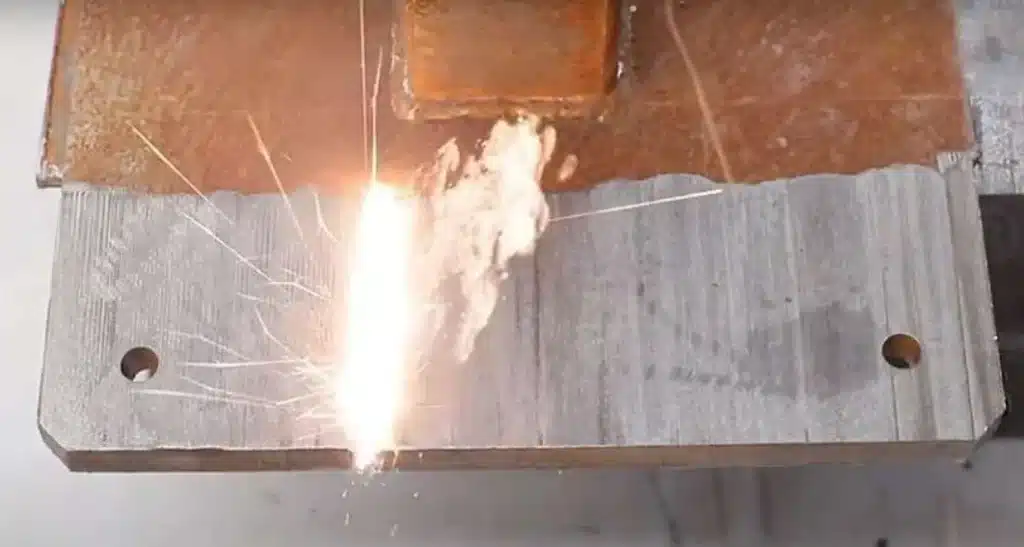
The price of a rust removal laser varies dramatically, from around $2,500 for entry-level models to over $100,000 for high-end industrial systems. The final laser rust removal cost primarily depends on three main factors: the laser’s power (wattage), its underlying technology (pulsed vs. continuous wave), and the manufacturer’s brand and country of origin.
Laser Rust Removal Cost Overview
For a quick, scannable overview, here are the typical price ranges for different types of rust removal lasers, categorized by their power and intended use.
Low-Power Pulsed Lasers (50W–200W): $2,500 – $16,000
Best for: Hobbyists, small businesses, fine detail work, and historical restoration. These machines, often sold as portable laser rust removal machines, offer precision and are gentle on delicate surfaces.

Mid-Power Pulsed Lasers (300W–500W): $10,000 – $32,000+
Best for: Auto restoration, general industrial use, mold cleaning, and versatile applications. They provide a balance of speed and precision for a wider range of tasks.
High-Power Continuous Wave (CW) Lasers (1000W–3000W): $3,500 – $20,000
Best for: Heavy rust on thick steel, large-scale surface preparation, and applications where speed is more critical than precision. A 1500W laser rust removal machine is a common example in this category.
High-Power Pulsed Lasers (1000W+): $42,000 – $250,000+
Best for: Aerospace, automated production lines, and high-speed industrial cleaning, where preventing any damage to the base material is absolutely critical.
Key Factors That Determine a Rust Laser’s Price
The price tag of a laser rust cleaning machine is directly tied to its components and capabilities. Here’s a detailed breakdown of what drives the cost.
The #1 Cost Factor: Pulsed vs. Continuous Wave (CW) Laser Technology
The most significant price differentiator is the type of laser beam the machine produces.
- Pulsed Lasers: These are generally more expensive due to their complex technology. They deliver extremely high peak power in very short bursts, a process sometimes called “cold ablation.” This method is incredibly precise and vaporizes rust and contaminants without transferring significant heat to the material underneath. This makes them perfect for delicate surfaces, thin metals, and historical artifacts where heat damage is a major concern.
- Continuous Wave (CW) Lasers: These lasers are significantly cheaper per watt. They work by emitting a constant, uninterrupted beam of light that heats the surface to remove rust and coatings. While very effective and fast for bulk rust removal on thick, robust materials like heavy steel plates, they can easily warp or damage thinner or heat-sensitive parts.
Laser Power (Wattage): More Power = More Speed = Higher Cost
There is a direct relationship between a laser’s power, its cleaning speed, and its price. A higher wattage means the machine can clean a larger area faster. For example, a 500W machine will remove rust much more quickly than a 100W machine, but its price will be considerably higher.

Brand & Origin: The East vs. West Price Divide
You’ll notice a significant price gap between manufacturers from different parts of the world.
- Premium Western Brands (e.g., P-Laser, Adapt Laser): These companies typically offer higher-priced, turnkey solutions that include comprehensive training, support, and service packages. They are known for their robust build quality and advanced features.
- Lower-Cost Chinese Brands (e.g., Riselaser, HANTENCNC): Often available through online platforms, these brands provide a much more affordable entry point. The trade-off can be in the level of after-sales support and documentation, presenting a risk-versus-cost decision for the buyer.
The Core Components: Laser Source and Optics
At the heart of every machine are its most expensive parts: the laser source and the precision optics. The laser source, from renowned manufacturers like IPG, Raycus, or JPT, can account for 35-45% of the total laser cleaning machine price. The quality of these components dictates the machine’s performance, reliability, and lifespan.
Total Cost of Ownership
While the initial purchase price is a major factor, the long-term operational costs are just as important for businesses.
Why Operating Costs are Surprisingly Low
One of the most attractive features of laser cleaning is its minimal running cost.
- Electricity: The primary “consumable” is electricity, and the power draw is relatively low.
- Minor Parts: Other minor costs include periodically replacing inexpensive protective lenses and filters for the fume extraction system.
Laser Cleaning vs. Traditional Methods (Sandblasting, Chemicals)
When you look at the total cost over time, laser cleaning often comes out ahead of traditional methods.
| Feature | Laser Cleaning | Sandblasting | Chemical Cleaning |
| Initial Cost | High | Low-Medium | Low |
| Consumables | Very Low (Electricity) | High (Abrasive Media) | High (Chemicals) |
| Waste Disposal | Minimal | High (Contaminated media) | High (Hazardous waste) |
| Labor | Low (Often one operator) | Medium-High | Medium-High |
| Substrate Damage | None (when tuned) | High Risk (Pitting) | Risk of Etching |
| Safety | High (with glasses) | Respiratory/Physical Hazards | Chemical Exposure Risks |
Can’t Afford to Buy? How to Access Laser Cleaning
A high upfront investment isn’t the only way to leverage this technology.
Option 1: Hire a Professional Laser Cleaning Service
For one-off projects or to evaluate the technology, hiring a service is an excellent choice. The typical laser rust removal service cost ranges from $150 to $350 per hour, depending on the equipment and expertise required.
Option 2: Rent a Laser Cleaning Machine
If you have the labor but not the capital for a short-term project, renting is a great middle ground. For example, a 1500W CW machine can often be rented for around $400 per day or $1,200 per week.
Which Rust Laser is Right for You?
The best machine is the one that fits your specific needs.
- For the Auto Restoration Shop: A 200W-500W Pulsed Laser is ideal. It offers the precision needed to strip paint and rust from delicate body panels without warping the metal.
- For Heavy Industrial Use: A 1000W+ CW Laser is the workhorse. It provides the speed necessary for preparing large steel surfaces where precision is secondary to efficiency.
- For Historical Preservation: A 50W-100W Pulsed Laser offers the ultimate gentleness required to clean irreplaceable artifacts without damaging the original material.
- For the Small Shop or Hobbyist: A 50W-100W Pulsed Laser strikes the best balance of affordability and versatility for a variety of smaller projects.
Conclusion: Making the Right Investment
The cost of laser rust removal is a direct function of its power, technology (pulsed vs. CW), and brand. While the initial investment can be significant, it is frequently justified by low operating costs, superior safety, and unmatched precision. The best rust removing laser is not simply the most powerful or the most expensive; it is the one that cost-effectively meets your specific application’s demands. Before you buy, carefully assess your primary needs—are you prioritizing speed, precision, or material safety? Answering that question will lead you to the right investment.
Frequently Asked Questions (FAQ)
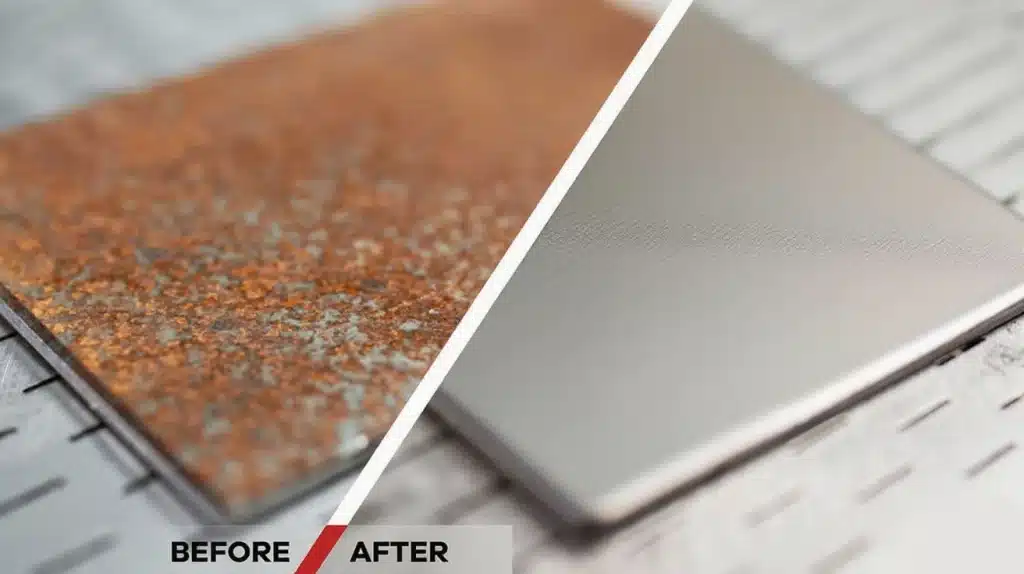
Laser rust removal works through a process called laser ablation. The laser emits powerful, short pulses of light onto a surface. The energy is absorbed by the rust, paint, or contaminant layer, causing it to instantly vaporize, leaving the clean metal substrate underneath untouched. This happens because the ablation threshold (the amount of energy needed to remove a material) of rust is much lower than that of the underlying metal.
No, when operated correctly, a laser will not damage the base metal. The laser parameters are specifically tuned so that the energy is just high enough to ablate the rust layer but below the threshold that would affect the metal. Pulsed lasers are especially effective at this, as they perform “cold ablation” with minimal heat transfer.
Yes, in terms of precision, safety, and lack of media/cleanup, but sandblasting has a lower initial equipment cost.
The single most important piece of safety equipment is a pair of certified safety glasses. These glasses must be rated for the specific wavelength of the laser being used to protect the operator’s eyes from the intense, focused light. Depending on the application, a fume extraction system and protective gloves may also be necessary.