
Laser Technology is everywhere in the modern world. Scientists and engineers have found ways to get atoms to emit very focused light and create powerful beams of light. Lasers work differently from the normal lamps we use every day. Unlike normal light bulbs, which emit light in all directions, lasers spread in a single, narrow beam that remains focused over long distances. The basic idea behind lasers came from discoveries made in the 20th century. These discoveries changed the way we use light in science, medicine, and everyday life.

What’s so Special About Lasers?
Lasers have four main characteristics that make them different from normal lamps. Their light spreads in one direction, is very bright, has a single color, and moves in an organized way that scientists call “coherent.”
Spreading in one direction
Normal light, like the sun or a lamp, spreads its light everywhere. However, a laser beam stays in a tight straight line as it moves through space, making it ideal for tasks that require precise aiming. If you shine a laser at the moon, the beam will only spread about 2 kilometers wide by the time it reaches the moon, even though the moon is 380,000 kilometers away. The light from a normal flashlight would spread so widely that you wouldn’t be able to see anything on the moon at all.
Very Bright
Lasers can emit very bright light in a very small area. The focused beam of a powerful laser can be brighter than sunlight in that small area. This ultra-bright focused light helps doctors perform surgery and lets factory workers cut metal.
Monochromatic
Normal light mixes multiple colors together when it shines. Lasers emit only one color of light, which makes them great for taking precise measurements. The most common red lasers always emit the exact same hue of red.
Organized Waves of Light
The light from a laser moves in an organized pattern, with all the waves aligned together. This organized pattern is what allows us to use lasers to make 3D pictures called holograms.

Types of Lasers
There are many types of lasers. Scientists group these types based on the material that produces the laser and how it is powered. Solid-state lasers use hard materials like ruby or similar crystals. These lasers require a bright flash or other power source to cause their atoms to release light particles, and are ideal for tasks that require very bright, fast bursts of light. Gas lasers use gases like carbon dioxide to produce their beams. These lasers are powerful workhorses in factories, and they can cut metal, join parts together, or engrave patterns on materials all day long.
Liquid dye lasers work differently. They use specially colored liquids to produce the light, and these lasers can produce more colors than solid or gas lasers. Semiconductor lasers are small but powerful. You can find these small lasers in everyday items like DVD players, store scanners, and laser pointers, and they can work reliably for years. Fiber lasers are a newer type. These lasers use special glass fibers that contain rare materials, and they are becoming more popular because they are reliable and can produce an intense and stable beam for medical procedures and factory work.
Applications of Laser Technology
Lasers help us do many different things in our modern world. Information systems use lasers to send data through long glass cables at incredibly fast speeds, and these same lasers help us store music and movies on discs like DVDs. Lasers create amazing 3D images called holograms. These special images look so real you can walk around them and see different sides, and they’re used to make money harder to fake and to help scientists study objects without damaging them.
Medical doctors use lasers in two main ways. They can shine lasers through skin to take pictures of what’s happening inside the body, which helps them find problems like cancer early, and doctors also use lasers like super-precise cutting tools during surgery. Lasers make a big difference in factories. These powerful beams can cut through metal and plastic with perfect accuracy, join pieces together without messy welds, and carve detailed patterns into almost any material, which helps companies make better products while wasting less material.
Lasers help us measure things very precisely. They can figure out exactly how far away something is by timing how long it takes for a laser beam to bounce back, and special laser tools can tell how fast cars are moving or create detailed 3D maps of cities. These measuring tools help self-driving cars understand what’s around them. Scientists and engineers keep finding new ways to use lasers every day.
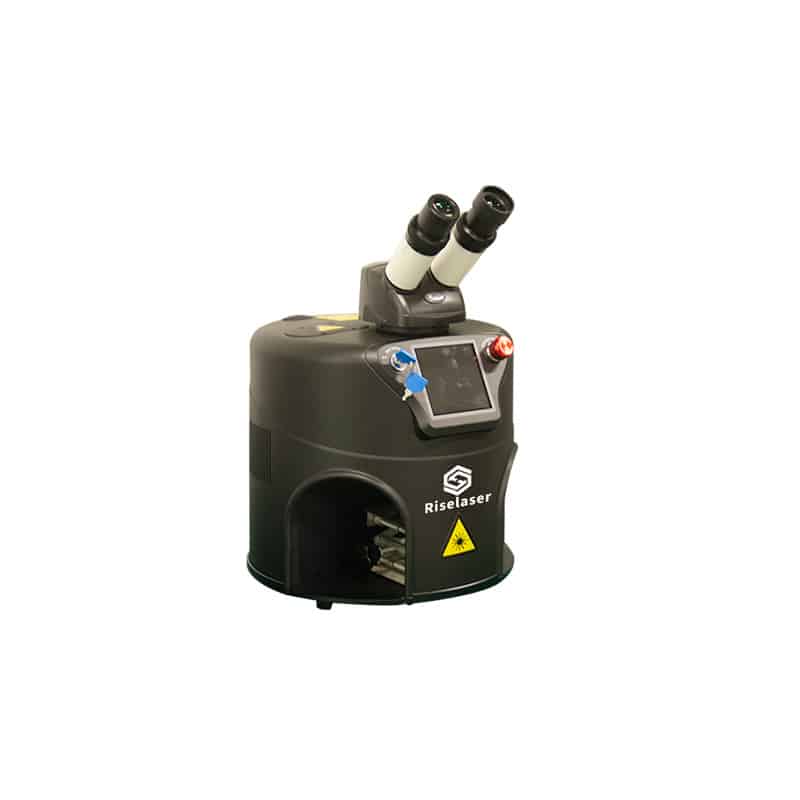
Laser’s Role in Modern Technology
Lasers have changed the way we live and work in countless ways. Modern telephony, Internet data and medicine all rely on the wonders of laser technology. Scientists believe that lasers will play an even more amazing role in the future. They are working on new types of lasers that utilize special light waves to take better pictures of the inside of the human body and study materials in ways never before possible.
Lasers have helped scientists make major discoveries. These special beams of light allow researchers to observe the ultra-fast movement of tiny objects, measure objects accurately, and even work on new types of computers to solve problems that ordinary computers can’t handle. The future of laser technology is bright.
Conclusion
Laser technology is one of the most important tool in science and industry today. Their powerful, focused, straight-line beams are perfect for jobs that need to be done precisely, from sending text messages to performing surgery. Laser technology continues to advance every year. These amazing inventions, born in the 20th century, are still changing our world in exciting new ways, and they will help us solve many more problems in the years to come.