
Laser welding uses a focused laser beam to join materials, especially metals. This precise and fast method offers many benefits for manufacturers, including exact positioning and small areas of heat damage around the weld. Different welding methods are used depending on what needs to be made. Each type of laser welding works best for specific tasks.
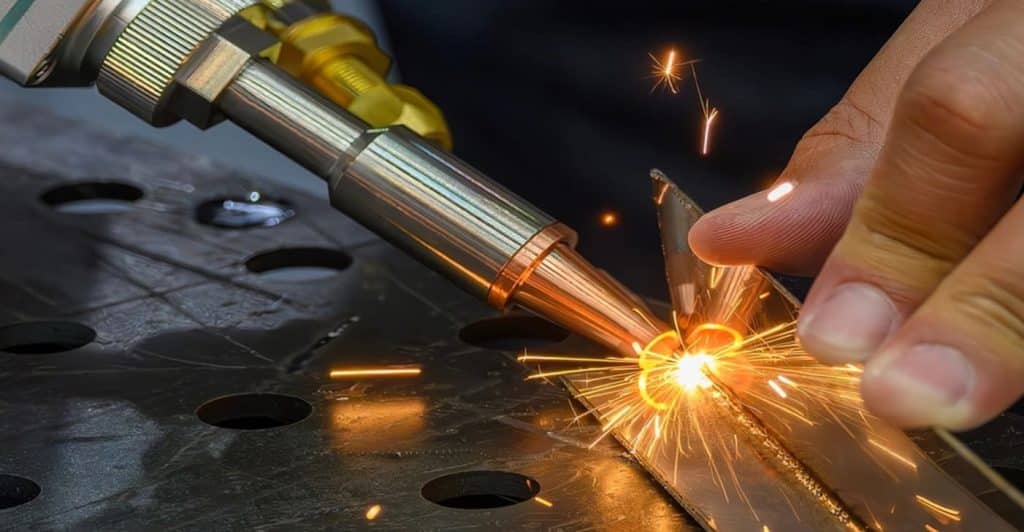
Galvanometer Welding
A computer controls the welding process by setting the path and power of the laser beam. Galvanometer welding uses special mirrors that move very quickly to point the laser exactly where it needs to go. This method gives welders perfect control over their work. The mirrors can move the laser faster than any human hand.
Benefits:
Works quickly and precisely. The careful control means each weld looks exactly like it should.
Perfect for small, detailed projects that need careful work. These welds are clean and neat.
Uses very little heat, which prevents damage. The metal stays in good shape around the weld.
Where it’s used:
Welding tiny metal pieces. Workers can join very small parts without damaging them.
Making electronics and jewelry. These items need careful work to look good and work right.
Lap Welding / Splice Welding
Lap welding puts two pieces of metal on top of each other and joins them together. This simple but effective method can join thick or thin pieces of metal, making it very useful in many industries. The laser makes a strong connection between the pieces.
Benefits:
Can join different thicknesses of metal sheets. This makes it very useful in many types of manufacturing.
Creates very strong connections. The welds can handle a lot of stress without breaking.
Gets the job done quickly. Workers can finish many welds in a short time.
Where it’s used:
Car body parts. These need to be strong and look good.
Making large metal containers. The welds must be strong and watertight.
Building metal furniture like file cabinets. These items need sturdy construction to last a long time.
Laser Spot Welding
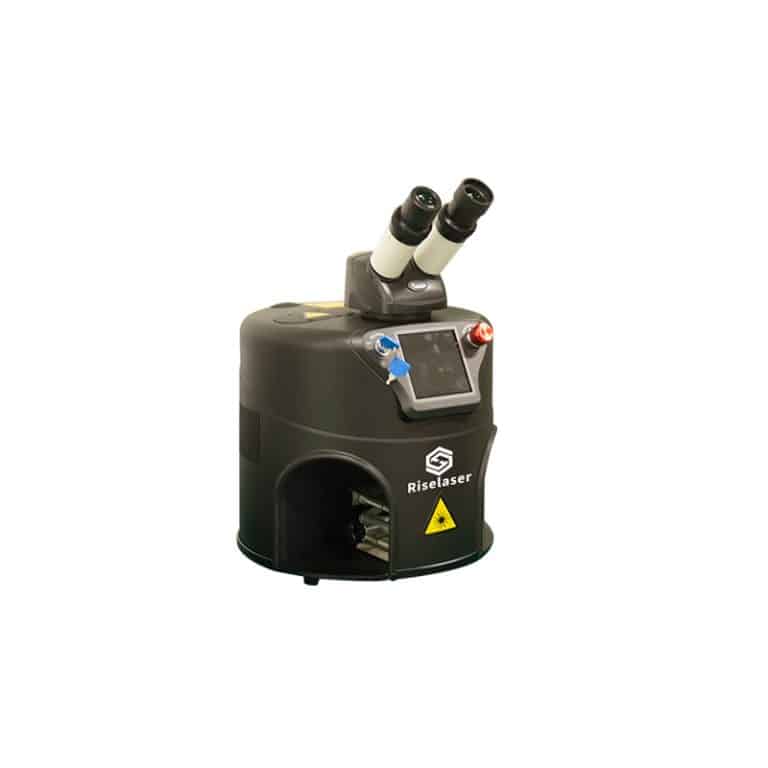
A quick burst of laser light heats up metal in one spot. The heated spot turns into a tiny pool of melted metal, and when it cools down, it makes a strong connection between the pieces. These small welds are very exact and clean-looking. The laser moves from spot to spot, making one weld after another.
Benefits:
Works very fast. The laser can make many welds in a short time.
Only heats a tiny area. The metal around the weld stays cool and strong.
The metal keeps its shape. There’s very little warping or bending from the heat.
Where it’s used:
Making jewelry. Each piece needs to look perfect and professional.
Creating signs for stores and businesses. The welds must look good and hold up over time.
Joining thin pieces of metal. The laser won’t burn through or damage delicate materials.
Jewelers and sign makers love using laser spot welding because it’s fast and looks great.
This method doesn’t cause the metal to twist or bend like other types of welding do. The neat, clean welds are perfect for work that needs to look good.
Penetration Welding
Penetration welding uses two different methods to join materials:
Heat Flow Welding: The laser heats up the top surface of the metal. This heat then flows down and melts the metal underneath, joining the pieces together.
See-Through Material Welding: Sometimes the laser beam can pass right through clear materials like plastic. The laser goes through the clear top layer and heats up whatever is underneath, which joins the materials together.
Benefits:
Can weld deep into thick pieces of metal. The laser’s power reaches far down into the material.
Works well for joining metal through clear materials. You don’t have to take things apart first.
Gives perfect control over the weld. Workers can make exactly the kind of connection they need.
Where it’s used:
Making cars. Many car parts need strong, deep welds.
Building electronics. Some parts need to be welded through plastic cases.
Joining different types of materials. The laser can connect metal to plastic or other materials.
This type of welding works great when you need to join thick materials or weld through clear layers. Car makers use it all the time to build strong parts. It’s also perfect for welding metal parts inside plastic cases, like in electronics.
Swing Welding (Wobbling)
The laser beam moves back and forth as it travels along the welding path. This swinging motion helps spread the heat evenly across the whole weld, making it stronger and better-looking. The beam’s movement reduces problems like holes or uneven spots in the weld. Moving the beam this way works especially well for making wide, strong welds.
Benefits:
Makes better welds with fewer problems. The back-and-forth motion spreads heat evenly through the metal.Works great for making wider welds. Some jobs need thicker connection points between parts.
Helps the weld stay strong even if parts don’t line up perfectly. This makes the welder’s job easier.
Where it’s used:
Building heavy metal structures. These need to be very strong and reliable.
Making parts for airplanes. Every weld must be perfect.
Joining large metal pieces. The wider welds help hold big parts together.
Controlling Laser Power
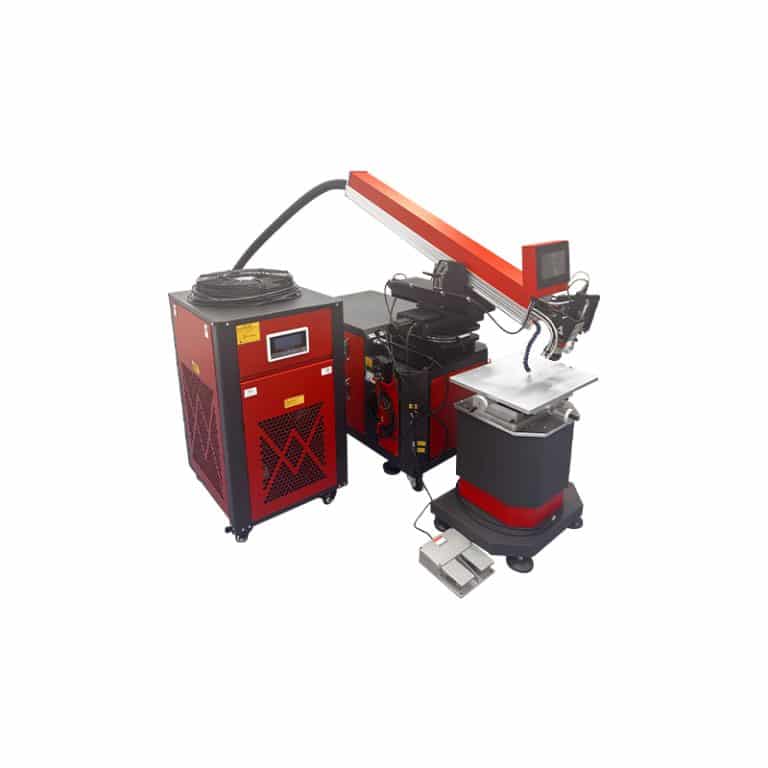
Getting the laser’s power just right is very important for good welds. Different metals reflect or absorb the laser’s heat in different ways as they get hot. The metal acts differently at the start and end of each weld, which can cause problems if the laser power stays the same. Welders can change the laser’s power throughout the process to get better results.
Key Welding Methods in Summary
Here’s a brief overview of the various laser welding methods and their unique advantages:
| Welding Method | Advantages | Applications |
| Galvanometer Welding | High precision and speed, minimal distortion | Electronics, fine metal welding |
| Lap Welding | Strong welds, suitable for different material thicknesses | Automotive, metal frames, containers |
| Laser Spot Welding | Fast, minimal deformation, high precision | Jewelry, signage, thin sheet metal welding |
| Penetration Welding | Deep penetration, suitable for welding through transparent materials | Automotive, electronics, composite materials |
| Swing Welding | Reduces defects, even heat distribution | Aerospace, heavy-duty structural welding |
Conclusion
Laser welding machines offer workers a variety of ways to join metal parts together. Each welding type has specific advantages that make it well suited for specific jobs, such as being very precise, making deep joins, or preventing metal from overheating and bending. Technology continues to advance every year, with new ways to control laser beams and make the welding process easier and faster.
Companies need to understand all of these welding methods in order to choose the right one for their job. This knowledge helps them produce the best products in their factories. When companies choose the right welding method, they can produce better products, spend less money, and get more done in less time.