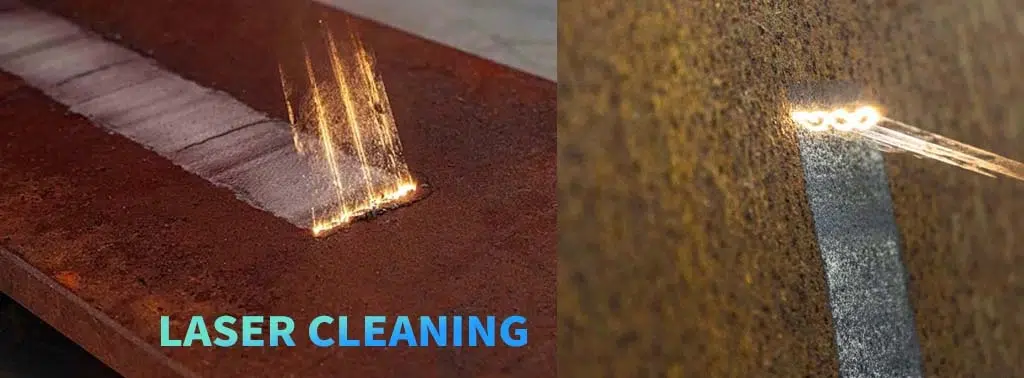
The laser rust removal cost is a critical factor for anyone considering this cutting-edge technology, with prices varying based on the equipment and service model you choose. Whether you’re looking to purchase a machine for in-house use or hire a service for a specific project, understanding the financial implications is key. This guide will break down the costs associated with laser rust removal, from initial machine investment to hourly service rates, helping you make an informed decision.
How Much Does a Laser Rust Removal Machine Cost?
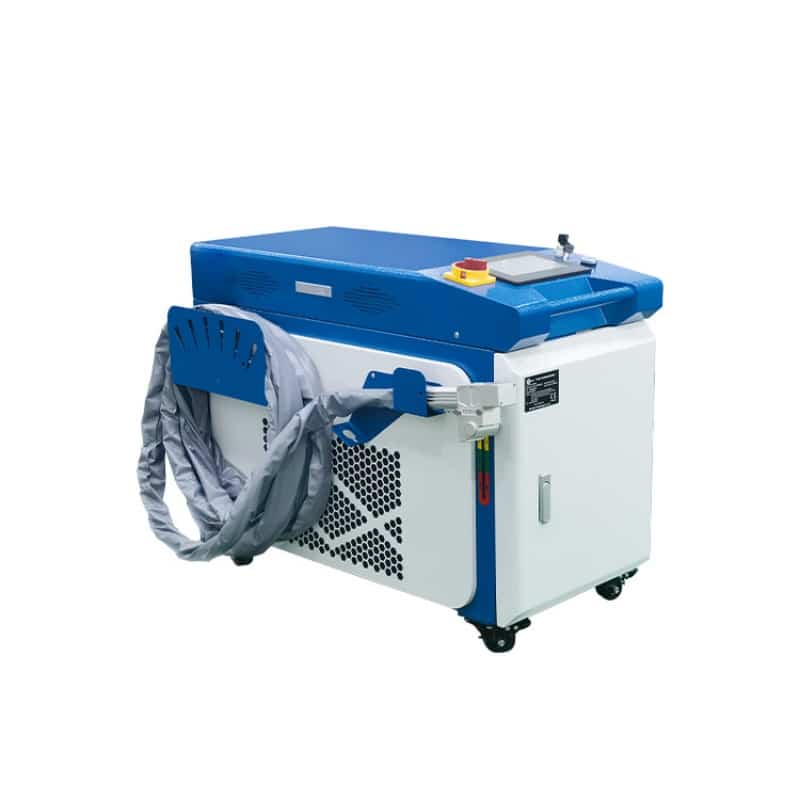
The initial investment in a laser rust removal machine can range from a few thousand dollars for entry-level models to well over six figures for high-powered, automated systems. The price is heavily influenced by the laser type (pulsed or continuous wave) and its power output, measured in watts (W).
Low-Power Pulsed Handheld/Portable Systems (50W-100W)
- Price: $5,000 – $15,000
These compact and often handheld units are ideal for intricate work, small surface areas, and delicate components where precision is paramount. Their lower power output means slower cleaning speeds but minimal risk of damaging the underlying material.

Medium-Power Pulsed Systems (200W-300W)
- Price: $15,000 – $40,000
Offering a balance of speed and precision, these systems are a popular choice for workshops and small-scale industrial applications. They are effective for a broader range of rust types and thicknesses than their lower-powered counterparts.
High-Power Pulsed Systems (500W+)
- Price: $40,000 – $100,000+
Designed for more demanding applications, these machines deliver faster cleaning rates and can tackle heavy rust and coatings. They are often found in industrial settings where efficiency and throughput are critical.
Entry-Level CW (Continuous Wave) Systems (1000W-1500W)
- Price: $8,000 – $20,000
Continuous wave lasers provide a constant beam of energy, making them suitable for cleaning large, flat surfaces with moderate rust. While generally less expensive per watt than pulsed lasers, they generate more heat, which can be a concern for thinner materials.
Mid-Range CW Systems (2000W)
- Price: $20,000 – $50,000
These machines offer increased power and cleaning speed for larger-scale industrial rust removal on robust components.
High-Power CW Systems (3000W+)
- Price: $50,000 – $150,000+
At the top end of the spectrum, these powerful systems are built for heavy-duty, continuous operation in demanding industrial environments like shipyards and manufacturing plants.
Very High Power CW (6000W)
- Estimated Cost: $150,000 and up
These are highly specialized, industrial-grade machines for the most challenging rust removal tasks over vast surface areas, often integrated into automated production lines.
Key Factors Influencing Laser Rust Removal Equipment Cost
Several factors contribute to the final price of a laser rust removal machine:
| Factor | Impact on Cost |
| Laser Source and Type (Pulsed vs. CW) | Pulsed lasers are generally more expensive due to their complex technology that delivers high peak power with minimal heat, ideal for precision work. Continuous Wave (CW) lasers are typically less expensive per watt and are suited for large surface areas where heat input is less of a concern. |
| Power Output (Watts) | Higher wattage equates to faster cleaning speeds and the ability to remove thicker rust and coatings, directly increasing the machine’s cost. |
| Portability and Configuration | Handheld and portable “laser rust removal gun” or “laser rust removal tool” models are often more affordable than large, stationary, or robotic-integrated systems. |
| Brand Reputation, Quality, and Warranty | Established brands with a reputation for reliability, quality components, and comprehensive warranties typically command higher prices. |
| Optics and Beam Delivery Systems | High-quality lenses, scanners, and fiber optic cables ensure precise and efficient operation, adding to the overall cost. |
| Cooling Systems (Air vs. Water Chiller) | Air-cooled systems are common in lower-power models, while more expensive and powerful machines require more robust water chillers to maintain optimal operating temperatures. |
| Industrial Hardware and Engineering | The durability of the machine’s construction, the quality of its internal components, and the level of engineering for industrial environments impact the price. |
| Safety and Compliance | Features like safety interlocks, fume extraction systems, and compliance with international safety standards contribute to the cost. |
| R&D, Patents, Customization, and Support | The investment in research and development, patented technologies, options for customization, and the availability of technical support are all factored into the price. |
| Market Dynamics | Supply chain, competition among manufacturers, and market demand can also influence pricing. |
Service Costs: Utilizing Laser Rust Removal Services
For those who don’t require their machine, hiring a laser rust removal service is a viable option. The cost of these services can be structured in several ways:
- Per Hour: A common pricing model, with rates typically ranging from $150 to $400 per hour. The rate can be influenced by the type of laser used (higher-powered lasers may have a higher hourly rate but get the job done faster), the complexity of the job, and the location.
- Per Day: For larger projects, a daily rate may be more cost-effective.
- Per Project: For well-defined tasks, a fixed project price provides cost certainty.
- Per Square Foot/Meter: This is often used for large, flat surfaces where the area to be cleaned is easily measurable.
Cost Comparison of Traditional Cleaning Methods
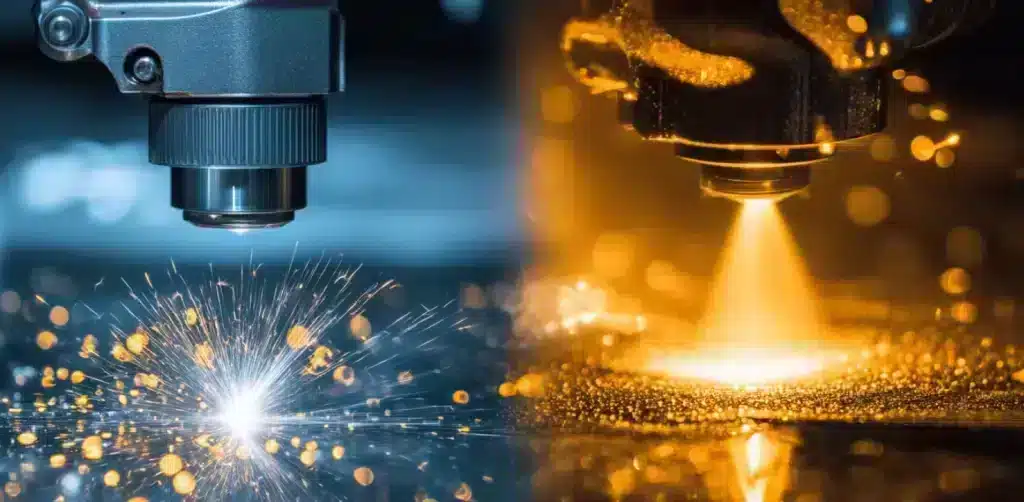
How does the cost of laser rust removal stack up against traditional methods? While the initial investment in laser technology can be higher, the long-term operational costs are often significantly lower.
Laser Cleaning vs. Sandblasting
| Feature | Laser Cleaning | Sandblasting |
| Initial Cost | High | Low to Moderate |
| Consumables | None | Abrasive media (sand, grit, etc.) |
| Labor Costs | Lower due to speed and automation potential | Higher due to setup, cleanup, and manual operation |
| Cleanup & Disposal | Minimal (fume extraction) | Extensive and potentially hazardous waste disposal |
| Substrate Damage | Minimal to none | Can cause pitting, warping, and material loss |
| Environmental Impact | Low | High (dust pollution) |
Laser Cleaning vs. Chemical Cleaning
| Feature | Laser Cleaning | Chemical Cleaning |
| Initial Cost | High | Low |
| Consumables | None | Chemicals, acids, neutralizers |
| Labor Costs | Lower | Can be labor-intensive |
| Cleanup & Disposal | Minimal | Hazardous chemical waste disposal required |
| Substrate Damage | Minimal to none | Risk of chemical damage and hydrogen embrittlement |
| Environmental Impact | Low | High (chemical pollutants) |
Tips to Find Affordable Rust Removal Solutions
Choosing the most cost-effective rust removal solution depends on your specific needs. Consider the following factors:
- Volume and Frequency of Work: For frequent, high-volume rust removal, purchasing a machine may offer a better return on investment over time. For one-off or infrequent projects, a service is likely more economical.
- Material Types and Sensitivity: Delicate or high-value materials may justify the precision and non-damaging nature of laser cleaning, even at a higher initial cost.
- Rust Severity and Types: Heavy, thick rust may require more powerful and thus more expensive laser systems or longer service times.
- Accessibility and Part Complexity: Intricate parts or hard-to-reach areas are often better suited to the precision of a laser.
- Budget Constraints: Your upfront budget will be a significant factor in deciding between purchasing a machine and hiring a service.
- In-House Expertise and Resources: Operating a laser cleaning system requires trained personnel. Factoring in training costs is essential if you plan to purchase a machine.
- Strategic Importance of Rust Removal: For businesses where surface quality and integrity are critical to their products or services, the higher cost of laser cleaning can be a worthwhile investment.
Conclusion
The cost of laser rust removal is a multifaceted issue. While the initial investment in a laser rust removal machine can be substantial, the long-term benefits of reduced operational costs, increased efficiency, superior finish, and environmental friendliness often provide a significant return on investment. For those with less frequent needs, laser rust removal services offer a flexible and accessible way to leverage this advanced technology. By carefully evaluating your specific requirements and comparing the costs and benefits against traditional methods, you can determine if laser rust removal is the right and most cost-effective solution for you.
For a detailed quote on a laser rust removal machine or service tailored to your specific application, it is always best to contact us for the best laser rust remover.
Frequently Asked Questions (FAQs)
For many applications, yes. While the upfront cost can be higher than traditional methods, the long-term savings from no consumables, reduced labor, minimal cleanup, and no damage to the substrate often make it a highly cost-effective solution. Its precision and environmental benefits add further value.
Yes, laser cleaning is very effective at removing paint, coatings, and other surface contaminants from various materials without damaging the underlying substrate.
The initial investment in a laser cleaning machine can be expensive, ranging from thousands to over a hundred thousand dollars. However, the operational costs are very low. When considering the total cost of ownership, including consumables, labor, and waste disposal, laser cleaning is often more economical in the long run than methods like sandblasting or chemical cleaning.
In many respects, yes. Laser rust removal is non-abrasive, meaning it doesn’t damage the underlying material. It is also more precise, produces significantly less waste, is more environmentally friendly, and is safer for operators. However, sandblasting may still be a more cost-effective option for non-sensitive, large-scale projects where surface finish is not a primary concern.
When operated correctly with the appropriate settings, laser rust removal does not damage the underlying metal. The laser’s energy is selectively absorbed by the rust and contaminants, causing them to vaporize without affecting the substrate. This is one of the key advantages over abrasive methods like sandblasting.