
Copper is a great conductor of electricity and doesn’t rust easily, making it important for many different types of work. These special properties, like how copper conducts heat and reflects light, make welding difficult. Laser welding solves these problems. This new way of joining copper sheets together can help workers make strong, clean welds for a long time while dealing with all of copper’s tricky behaviors.

Let’s look at what makes copper difficult to weld.
Copper conducts heat faster than any other common metal used in construction, which means that the heat from welding spreads throughout the part quickly instead of staying where it’s needed. This spreading of heat creates weak spots where the parts are joined. Copper is very shiny and reflects much of the laser light instead of absorbing it. Workers have to use more powerful lasers to get the metal hot enough, but too much power can cause holes and spray tiny droplets of metal everywhere.
Copper changes when it’s heated. The metal reacts with air at high temperatures, forming a coating that can weaken the weld and cause a lot of problems, which can cause the weld to break later. Heat causes copper to expand more than most metals. This expansion can cause the metal to deform when welded, which creates more problems for workers trying to join the parts together. Finding the right metal to fill the gaps between copper pieces is difficult. Not many options work well with copper’s unique properties.
Now let’s talk about why laser welding works so well with copper.
This method creates a clean, strong connection that doesn’t deform from heat and remains strong even in harsh conditions. The laser beam can make deep welds, joining parts together securely. Workers can direct the heat exactly where they need it. Using a precise laser beam means fewer parts of the metal get hot and bend during the welding process. Laser welding helps maintain copper’s ability to conduct electricity. This method is also good for the environment because it doesn’t require additional chemicals or materials that can cause pollution.
Different jobs require different types of laser welding to work best.
Let’s take a look at some of the main ways people weld copper with lasers, explore what makes each method special, and how workers can choose the right one for their specific needs.
Regular beam lasers emit a steady beam that can join thick sheets of copper. These lasers keep the same level of heat flowing throughout. Workers can move these lasers quickly and precisely control how deep they cut into the metal, but they need to be careful not to use too much power so as not to over-melt the copper. This type of laser isn’t ideal for thin sheets of copper because it puts out too much heat.
Green lasers work differently. The special green light they create sticks to copper more easily than other colors, which makes them great for welding thin sheets and making small, precise welds that need to be just right. These lasers don’t overheat the metal, which means less warping and fewer problems. Green lasers are more expensive to purchase, though, and aren’t as powerful as other types of lasers.
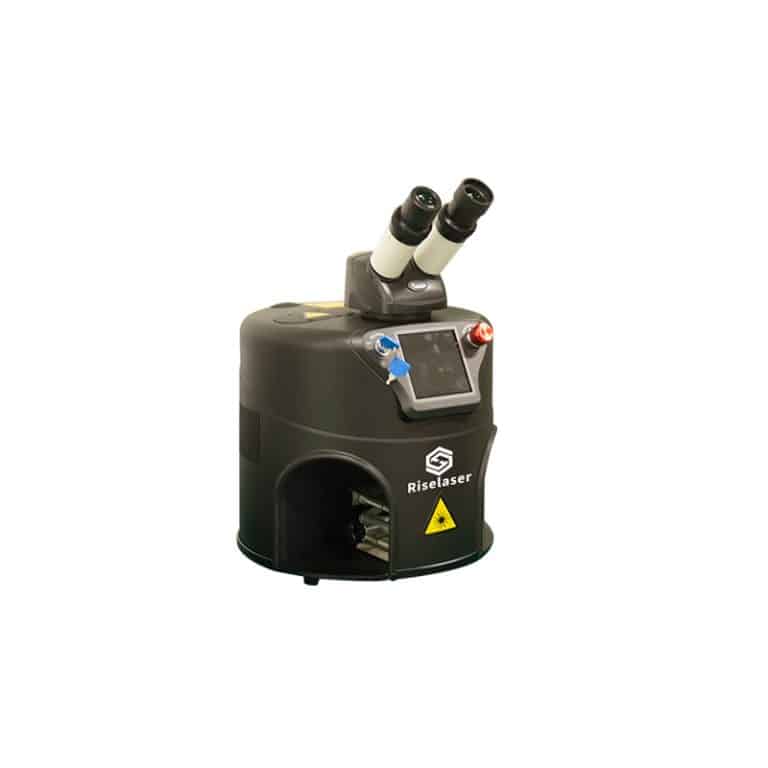
Fiber lasers can do just about any copper welding job. Small, powerful, and suitable for both thick and thin copper, these amazing tools are extremely useful in many different situations. The main problem is that copper doesn’t absorb light very well. This means that workers have to be extra careful when setting up the laser to make sure everything is working properly.
Conventional infrared lasers have been around longer than other types of lasers. These tried-and-true tools are great for joining battery components and electrical parts in cars and electronics, making them popular in many factories. While they are less expensive to use on larger projects, they can sometimes cause problems like bubbles forming in the metal. The heat spreads out more than with other lasers, which makes it harder to do really precise work.
Here are some helpful tips for welding copper with lasers.
Use powerful lasers because copper reflects so much light. This means choosing lasers that copper will absorb better, like green ones. Get all the settings just right. Workers need to carefully adjust how much power they use, how big the beam is, and how fast they move the laser. Keep air away from hot copper. Using special gases like argon helps prevent the copper from reacting with air while it’s hot, which makes stronger welds. Clean the copper first. Making sure the metal is clean before welding helps prevent weak spots and other problems. Pick the right method for your job. Think about what you’re trying to do – like joining thick pieces or making tiny, precise welds – and choose the laser that works best for that specific task.

Many different jobs require laser welding of copper parts.
This method is most often used where the weld needs to be precise, conductive, long-lasting, and won’t break.
Lasers are great for joining tiny electronic parts together. This careful method can create strong connections between items like circuit boards and wires without damaging the delicate parts that make up modern electronics, which can easily be damaged by too much heat or force.
Automakers use laser welding heavily, especially in electric vehicles. These vehicles require special welds to connect battery components and electrical components that power the car, and laser welding helps ensure that these connections remain strong and work properly for a long time.
Aircraft manufacturers also rely on laser welding. They use laser welding to join copper to other metals when making parts that need to be both light and strong, such as systems that help control aircraft temperatures and special equipment that helps aircraft fly safely.
Factories use laser welding to make many different things. The process helps workers make copper pipes, electrical connectors, and other parts that require very strong, precise welds to work properly in a variety of equipment and buildings.
Conclusion
Let’s summarize what we know about laser welding copper. Lasers solve the tricky problems that arise when joining pieces of copper together that other welding methods can’t. This method delivers heat exactly where it’s needed, helping to prevent problems like bubbles or cracks in the metal, which is why many companies choose it when they need a high-quality weld. Choosing the right laser and using it correctly can help achieve a strong, reliable weld. As we make better lasers and learn more about how to use them, we’ll find more ways to make things with this technology.