
Imagine setting your construction projects apart with the unmatched elegance of custom architectural pieces, a feat made possible when you master the art of glass etching with a laser. This technique allows for sophisticated branding and unique design elements, transforming ordinary surfaces into high-end laser engraved glassware and signage. This guide details exactly how to laser engrave glass, covering everything from laser engraving glass power settings to the best materials for a flawless finish.
Laser Engraving Glass: Step-by-Step
Mastering the art of laser engraving on glass requires a systematic approach. By following these steps, you can ensure a safe process and a high-quality, professional result every time.
Design Preparation
The first step to a stunning laser-engraved glass piece is a well-prepared design. Your design should be in a high-resolution vector format (such as SVG or AI) or a high-quality bitmap image. For photographic engravings, it’s recommended to use a grayscale matrix of around 70% black to achieve maximum clarity and reduce excessive heat application.
Glass Surface Preparation
A pristine surface is crucial for a clean engraving. Thoroughly clean the glass with isopropyl alcohol or a quality glass cleaner to remove any dust, fingerprints, or oils. Any residue can interfere with the laser beam, leading to imperfections in the final product.
Laser Machine Setup
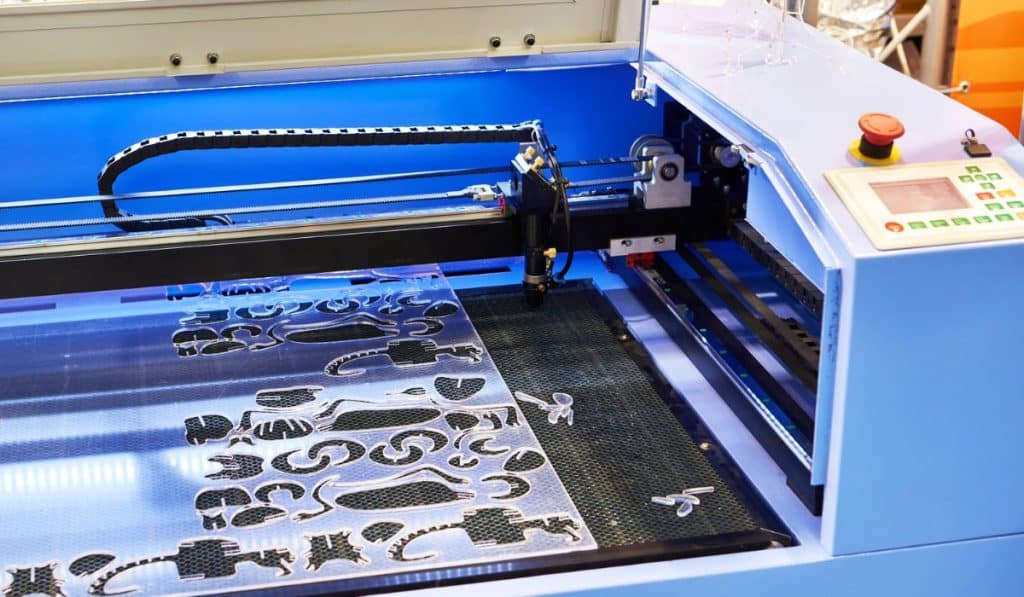
Proper machine setup is fundamental to success. This includes ensuring your laser bed is level and, if you’re engraving a cylindrical object like a custom-branded water bottle for your team, securely placing it on a rotary attachment.
Optimizing Laser Parameters
This is arguably the most critical stage. The power, speed, and frequency settings of your laser will vary depending on the type and thickness of the glass. It is always recommended to perform a test run on a scrap piece of the same glass to fine-tune your settings before proceeding with the final piece.
Executing the Engraving
Once your design is ready and your machine is calibrated, you can begin the engraving process. It’s essential to monitor the machine during operation to ensure everything is running smoothly and to be prepared to stop the process if any issues arise.
Post-Engraving
After the engraving is complete, allow the glass to cool down. Then, gently clean the surface with a soft, damp cloth to remove any glass dust or debris. For a more polished look, you can use a non-abrasive cleaning agent.
Best Glass Types for Laser Engraving
Different types of glass react differently to the laser. Understanding their properties will help you select the best material for your construction projects.
| Glass Type | Description | Suitability for Laser Engraving |
| Float Glass | The most common type of glass, used in windows and standard flat glass applications. | Engraves well, creating a frosted appearance. Prone to chipping if the power is too high. |
| Soda-Lime Glass | A common and cost-effective option used for bottles, jars, and everyday glassware. | Excellent for engraving due to its lower melting point, resulting in a clean etch. |
| Borosilicate Glass | Known for its high resistance to thermal shock, often used in laboratory equipment and high-end cookware. | Engraves with high precision and is less likely to crack from the laser’s heat. |
| Cast Glass | Created by pouring molten glass into a mold, allowing for unique shapes and textures. | The uneven surface can be challenging, but with proper focus, it can yield artistic and impressive results. |
| Crystal Glass | A high-quality glass containing lead oxide, known for its brilliance and clarity. | Engraves beautifully, producing a bright, sparkling finish. Requires lower power settings to avoid fractures. |
| Tempered Glass | The most common type of glass is used in windows and standard flat glass applications. | Due to the high internal stress, it is not recommended for laser engraving as it can shatter. |
| Colored Glass | Glass that has been colored during its manufacturing process. | The color can provide a stunning contrast to the engraved areas. Darker colors may require adjusted power settings. |
| Mirror Glass | Glass with a reflective metallic coating on one side. | Engrave on the back (coated) side in reverse for a striking effect when viewed from the front. |
Essential Equipment and Materials
To achieve professional-grade laser-engraved glassware and architectural pieces, you’ll need the right tools for the job.
Laser Engraving Machines
When selecting a laser engraver, consider the following:
- Laser Type and Power: A CO2 laser is the industry standard for engraving glass. For most architectural and signage applications, a machine with 40 to 120 watts is ideal.
- Workbed Size: Ensure the machine’s workbed can accommodate the size of the glass you intend to engrave, from small signs to large architectural panels.
- Robust Construction: A sturdy, well-built machine will provide the stability needed for precise engraving.
- Software Compatibility: Look for a machine that is compatible with your preferred design software.
- Fume Extraction: A reliable fume extraction system is essential for maintaining a safe working environment by removing glass dust and fumes.
- Safety Features: Ensure the machine has safety features such as an emergency stop button and interlocks to prevent accidental exposure to the laser beam.
Rotary Attachments
For engraving cylindrical objects like glasses, bottles, or even custom-branded hard hats, a rotary attachment is indispensable.
- Types: The two main types are roller-style and chuck-style. Roller rotaries are great for simple cylindrical objects, while chuck rotaries provide a more secure grip for items with handles or irregular shapes.
- Considerations: Choose a rotary attachment that is compatible with your laser machine and can handle the diameter and length of the objects you plan to engrave.
Surface Treatment Materials
For diode lasers, which are less effective at directly marking glass, a surface treatment is necessary.
- Coatings for Diode Lasers: So, what do you spray on glass before laser engraving with a diode laser? A thin, even coat of a dark, heat-absorbent paint or a specialized laser marking spray allows the diode laser’s energy to be absorbed, creating the engraving.
- Laser Marking Paper for Glass: This is another excellent option for diode lasers. The paper is applied to the glass surface, and the laser burns the design into the paper, which in turn marks the glass.
Masking Materials and Heat Dissipators

To achieve a cleaner etch and prevent chipping, especially with CO2 lasers, these materials are invaluable:
- Application Tape: Applying a layer of application tape to the glass surface before engraving can result in a crisper, cleaner mark and reduce the need for extensive post-engraving cleanup.
- Damp Paper Towel: A wet paper towel or newspaper laid flat over the engraving area helps to dissipate heat, preventing micro-fractures and resulting in a smoother, frosted finish.
- Dish Soap: A thin, even layer of dish soap can also act as an effective heat sink, yielding similar results to a damp paper towel.
Cleaning and Safety Supplies
- Pre-Cleaning: Isopropyl alcohol and lint-free cloths are essential for preparing the glass surface.
- Post-Engraving Cleanup: A soft brush and a gentle cleaning solution will help remove any remaining debris.
- Personal Protective Equipment (PPE): Always wear appropriate safety glasses designed for your specific laser’s wavelength.
- Fire Safety: Keep a fire extinguisher readily accessible in your workspace.
Comparison of Laser Types for Glass Engraving
The two most common types of lasers for engraving are CO2 and diode lasers. Understanding their differences is key to choosing the right tool for your construction company’s needs.
CO2 Lasers
- How they work: CO2 lasers use a gas-filled tube to produce a powerful infrared beam that is readily absorbed by glass, causing the surface to fracture and create a frosted effect.
- Advantages:
- Directly engrave on glass without the need for coatings.
- Higher power options are available for faster and deeper engraving.
- Ideal for a wide range of non-metallic materials.
- Disadvantages:
- Higher initial investment.
- Larger footprint.
Diode Lasers
- How they work: Diode lasers use a semiconductor to produce a beam of light. To engrave glass, the surface must be coated with a material that can absorb the laser’s energy.
- Advantages:
- More affordable and compact.
- Longer lifespan and lower maintenance.
- Disadvantages:
- Cannot directly engrave clear glass.
- Lower power output, resulting in longer engraving times.
- Less versatile for a wide range of materials compared to CO2 lasers.
Optimizing Laser Engraving Glass Power Settings
Finding the perfect power and speed settings is crucial for achieving high-quality results. Below is a general guideline for a 40-60W CO2 laser. Always test on a scrap piece of glass before engraving your final product.
| Glass Type | Power (%) | Speed (mm/s) | DPI (Dots Per Inch) | Notes |
| Float Glass | 15 – 30% | 300 – 500 | 300 – 500 | Start at lower power to avoid chipping. |
| Soda-Lime Glass | 20 – 40% | 250 – 450 | 300 – 600 | A good starting point for common glassware. |
| Borosilicate Glass | 25 – 50% | 200 – 400 | 300 – 600 | Can handle slightly more power due to its heat resistance. |
| Crystal Glass | 10 – 25% | 400 – 600 | 500 – 1000 | Use lower power and higher speed to prevent fractures. |
| Colored Glass (Dark) | 15 – 35% | 300 – 500 | 300 – 600 | May require slightly less power than clear glass. |
| Mirror Glass (Back) | 20 – 40% | 250 – 450 | 300 – 600 | Engrave the coating on the back of the mirror. |
Diode Lasers Glasses and Safety: It is imperative to use safety glasses specifically rated for the wavelength of your diode laser. Standard safety glasses will not provide adequate protection.
Conclusion
In conclusion, learning how to laser engrave glass provides your construction business with a distinct competitive advantage, signifying a commitment to superior quality and innovation. By mastering the ability to engrave glass with a laser, you can deliver the bespoke architectural features and sophisticated branding that modern clients demand. Contact us today to explore how our custom laser engraving machines for glasses can bring a new level of distinction and value to your projects.