
Laser welding uses an intense beam of light to join two or more pieces of metal together. This new type of welding is used in many places, such as car factories and mobile phone manufacturers. However, during the welding process, it produces smoke, which can cause problems for air and a good weld. Although we can’t stop all smoke from forming, we can reduce it by understanding the causes of smoke and how to control it.
What causes smoke during laser welding?
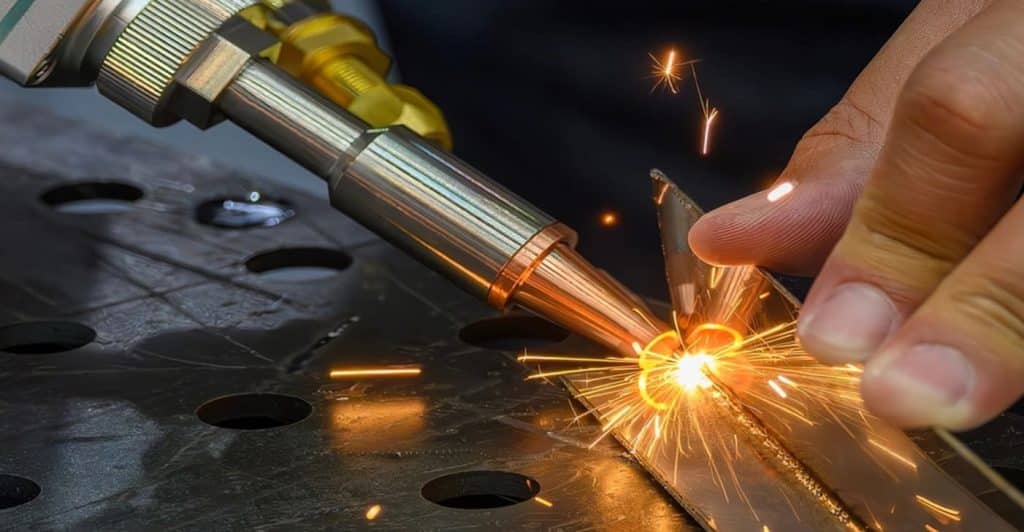
The smoke comes from the extreme heat of the laser beam. When the laser heats the metal until it melts, fine particles of hot metal and gas float into the air, forming the smoke we see.
Here are some of the factors that affect the amount of smoke formed:
1. The composition of the metal
Different types of metals produce different amounts of smoke. For example, aluminum produces a lot of smoke because it has an oxidized layer of aluminum oxide on the surface that burns off easily when heated. Steel also produces different amounts of smoke, depending on what is mixed in and what is on the surface.
2. The cleanliness of the metal
Dirty or greasy metal produces more smoke than clean metal. This is easy to understand. If there is paint, oil, or rust on the metal, these things will burn during the welding process and produce additional smoke.
3. The welding wire used
Regular welding wire produces a lot of smoke. However, there are now special low-smoke welding wires that are better suited to lasers and produce less smoke when melting. Of course, the price will also be higher than that of ordinary welding wire cabinets.
4. How to set up the welding
The way you use the laser will change the amount of smoke it produces. If you use too much power, you will produce more smoke. If you keep focusing the laser on one area, it is natural to have more smoke.
5. Laser lens
A scratched or dirty lens will interfere with the way the laser beam works. This will make the weld look bad and create extra smoke.

How to Reduce Fumes When Welding with Lasers
Fume during laser welding can be a big problem. Thankfully, there are several effective ways to address this problem, which we’ll explore in detail. The solution is simple. By following these steps, welders can create a cleaner, safer work environment.
Choose the Right Settings
Reduce the laser power to reduce fumes. Adjusting this single setting can have a huge impact on the amount of fumes produced by a weld. Moving the laser over the metal faster can help reduce fumes. When you work quickly, the metal spends less time under the hot laser beam.
Use Shielding Gases
Gases such as argon help shield the weld. These special gases create a protective layer around the hot metal, preventing it from producing too much fumes. Getting the airflow just right is key. A steady stream of air flowing over the weld will give you the best results.
Keep the Air Flowing
Good airflow is critical to any welding job. Installing fans and air filters can help keep the work area free of harmful fumes. Placing a fume collector near the weld works best. These collectors can capture much of the fumes before they spread into the room.
Clean Materials
Dirty metals produce more fumes when welding. Before you begin welding, take the time to wipe off any oil or dirt. Smooth edges also help reduce fumes. Rough or jagged edges can cause extra heating and create unnecessary fumes.
Choose the right welding wire
Special low-smoke welding wires can help a lot. These wires reduce fumes while still making a solid weld. Using the right welding wire can make a big difference. Choosing a good welding wire can reduce fumes by half or more.
Maintain your equipment
Inspect your laser equipment frequently. Regular maintenance helps prevent problems that can create extra fumes. A clean lens can make for better welds. Dirty or damaged equipment can lead to more fumes and poor quality welds.
Learn the right techniques
Good training can improve a welder’s skills. Learning the right welding techniques can help reduce fume levels. Practice makes perfect. The more experienced a welder is, the better he or she will be at controlling fumes.
Comparing Different Welding Types
Laser welding makes less smoke than older welding methods. Traditional welding creates thick clouds of smoke that are hard to control. Laser welding gives welders more control. Even though you can see the smoke from laser welding, it’s actually safer than many other types of welding when done correctly.
Where Smoke Control Really Matters
Car factories need careful smoke control during welding. Building cars involves joining many metal parts together, and keeping the smoke down helps workers stay safe and makes better welds. Airplane makers have to be extra careful about smoke. Their strict safety rules mean they must keep the air as clean as possible during all welding work.
Medical tools need the cleanest welding possible. Any smoke during welding could make the tools unsafe for use in hospitals or clinics. Making electronic devices requires very careful welding. Smoke can ruin tiny electronic parts, so factories must keep their air extremely clean.
Why Reducing Smoke Helps
Everyone Clean air makes work safer. Workers can breathe better and stay healthier when there’s less smoke in the air. Lower smoke levels lead to stronger welds. When smoke doesn’t get in the way, the metal parts join together much better and create stronger connections. Equipment lasts longer when there’s less smoke. The machines don’t get as dirty or worn out, which saves money and time on repairs. Following safety rules becomes much easier. Less smoke means factories can meet all their required safety standards without extra work.
What’s Coming Next in Smoke Control
Scientists are working on better gases to block smoke. These new gases will help keep the air cleaner while making welds stronger than ever. Smart air cleaning systems are being developed. These new systems will watch the air quality and clean out smoke automatically when needed. Computers will help control smoke better than ever. New programs will adjust welding settings on their own to keep smoke levels low. Better materials are coming soon. Companies are making new welding wires and metals that create much less smoke when used.
Wrapping It Up
Many things affect how much smoke welding creates. The type of metal, how clean it is, and the welding settings all play a part in smoke control. Good equipment and proper training help reduce smoke significantly. Welders who know what they’re doing and have the right tools can keep smoke levels very low.
The future of welding looks cleaner than ever. As new technology develops, we’ll find even better ways to control smoke. These improvements will make welding safer and cleaner for everyone involved. Factories will be able to make better products while keeping their workers healthier.