
Lasers have revolutionized the way factories produce. Modern manufacturing uses lasers for a variety of jobs because they work fast and work very accurately without error. From putting special markings on products to cutting metal and joining parts together, lasers can do many different jobs better than old tools. As we go over the seven main ways that lasers are being used in factories today to make products, you’ll see how these amazing tools are helping to make everything from cell phones to cars and medical devices.
Laser Marking
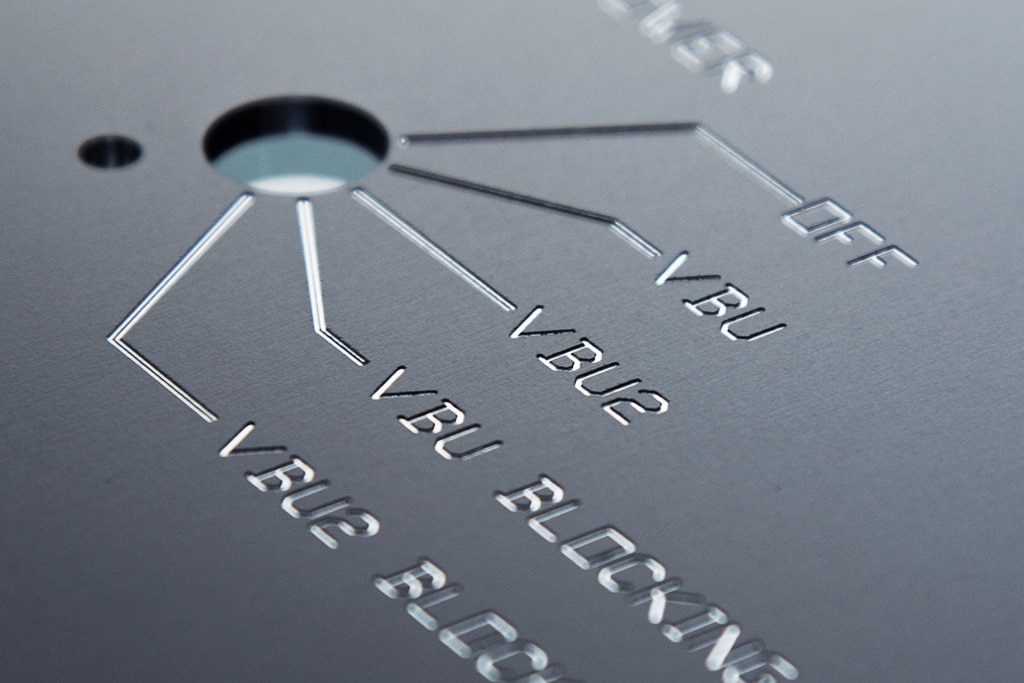
More and more companies are using lasers to mark their products with special tracking numbers. These numbers help the company to quickly locate and recall the product if there is a problem. Medical companies especially like to use laser marking because the markings stay clear even after the tool has been cleaned multiple times with strong chemicals. Lasers can write a variety of information on both flat and curved surfaces, such as barcodes, lot numbers, and product details.

The business of manufacturing laser marking machines is expanding rapidly. Experts predict that from 2022 to 2027, businesses will spend an additional $1.23 billion on these machines. This growth is occurring because many businesses need permanent markings on their products. Countries such as China and India are purchasing large numbers of these machines for their growing medical and food companies, which need to carefully track their products during transportation.
There are various types of lasers used for marking: fiber lasers, carbon dioxide lasers, UV lasers, YAG lasers and diode lasers. These machines can mark a wide range of different materials, from automotive parts to medical tools and even glass and wood.
More types of businesses are starting to use laser marking every day. Laser marking has evolved from its beginnings as a tool for creating art to many other uses such as making greeting cards, signs, party supplies and office supplies. Food and cosmetic companies are now using laser marking to make their packaging look better and attract attention in stores. As laser marking machines become less expensive and work faster, more companies will start using them.
However, companies that manufacture laser marking machines face a huge challenge. They rely on other companies to supply vital parts for their machines. This can lead to problems such as parts arriving late, not working properly, or costing too much.
Making Special Surfaces with Lasers
Lasers can create special patterns on the surface of parts and products. These patterns can make things work better by improving how they wear, how well you can grip them, how they look, and how much weight they can hold. When doctors put new implants in patients, laser-made rough spots help the body’s tissue and bone grow into the implant better. These patterns can be incredibly tiny, smaller than a human hair, and very precise.
Many industries now regularly use lasers to clean and roughen surfaces. The process is called laser texturing because it creates organized patterns instead of random roughness. This technology has grown quickly over the years. The laser works by sending quick pulses of light that remove tiny bits of material, making small holes that create a rough surface.
For this kind of work, special pulsed fiber lasers work best. Getting the right kind of roughness means adjusting several things: how strong the laser is, how fast it pulses, how quickly it moves across the surface, and how the lens is set up.
Lasers let workers make exactly the kind of surface texture they want. You can change the settings in many ways to get different levels of roughness, and you always know exactly what you’re going to get. Using lasers for texturing has lots of benefits. They work more precisely than other tools and don’t need special covers to protect other areas. The process always comes out the same way each time, doesn’t need any grinding materials, and can make different patterns all at once. Best of all, it doesn’t cost much to run or maintain the machines.
Using Lasers to Remove Material
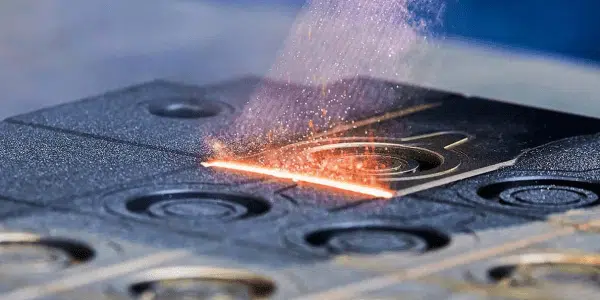
Laser ablation is a special way of cutting where lasers burn away material with extreme precision. You can change how long each laser pulse lasts, what kind of light it uses, and how powerful it is depending on what you’re working with. This method is perfect for working with delicate materials like those used in tiny electronics because the laser never touches the material and doesn’t create damaging heat.
The business of laser ablation machines is growing fast. More companies need these machines to make very small electronic parts.
New improvements in laser technology are making this process even better. Scientists have created faster lasers that can remove material more precisely than ever before.
Many different industries want to use these laser systems. Medical companies use them to make devices, computer chip makers need them for their work, and scientists use them to study incredibly small materials. However, there are some challenges too. The rules about using these machines safely are very strict, and some people worry about how they might affect the environment.
You can group laser ablation machines in different ways. Some use really quick pulses that last just billionths of a second, while others use even faster pulses that last trillionths of a second. These machines can do many jobs, like making tiny parts, cleaning surfaces, or removing paint. Lots of different businesses use them, from hospitals to car makers, airplane manufacturers, and research labs.
Laser Drilling
Lasers can make incredibly tiny holes in many different materials like metal, plastic, and ceramics. Many products today need such small features that only lasers can make them precisely enough. Using different methods like direct drilling, making rows of holes, or using special patterns, lasers can create very small and complex shapes without damaging the material or creating too much heat.
Making holes with lasers is very complicated. When the laser beam hits the material, many things happen that affect how good the hole will be.
To make perfect holes, workers need to understand how different settings change the results. They must control things like how strong the laser is, how long it fires, where they focus it, and how fast it pulses. The type of material being drilled also matters a lot.
Laser drilling has become popular very quickly for several reasons. It can make the exact same hole over and over, work very precisely, drill different kinds of holes easily, and doesn’t cost too much to use. For flat metal parts with lots of holes, machines that stamp out holes can still work better because they can make many holes at once.
But lasers have some big advantages. You don’t need to make expensive metal stamps for each new design, which makes laser drilling perfect for testing new ideas or making small numbers of parts. The laser never wears out or breaks like metal tools do, and it can even drill through super-strong materials easily. While stamping machines can only make holes about as big as the metal is thick, lasers can make holes of any size you want.
Laser Cutting

Like laser drilling, laser cutting uses a focused beam of light to remove material. These lasers can make very exact cuts in materials or create precise patterns at just the right depth. Special high-speed lasers are great for cutting metal and plastic because they leave clean edges without any heat damage around them. Almost any kind of metal can be cut by lasers, from aluminum to steel, and the cuts are exact down to the width of a human hair.
Robots can now do laser cutting too. These robot systems can move in any direction and cut at many different angles.
A robot laser cutting system has four main parts: a robot arm, something to hold the material, a computer to control the robot, and a special tool at the end of the arm. The robot moves either the cutting tool or the material being cut to make the right shapes.
Experts who study this technology say robot laser cutters will keep growing in popularity. But companies that make these machines face some challenges. They need to make their machines different from competitors, keep costs down, and make sure they can get all the parts they need to build them. To be successful, companies need to spend money on creating better machines, work with other businesses, and listen to what customers want.
Laser Welding
Lasers can join materials that are difficult to join by other methods. For splicing metals and plastics, laser welding is often superior to gluing and other splicing methods because it makes strong, precise splices that look the same every time.

Lasers use a powerful beam of light to melt and join metals or plastics. This new way of welding helps make everything from airplanes to medical tools and jewelry. The laser heats up the area where two pieces of metal meet until they melt together. Once the melted parts cool, they stick together nicely.
Laser welding is better than previous ways of joining metals. It joins parts up to four times faster than regular welding, and some machines can weld as fast as a car can travel on the highway. Since the laser doesn’t have to touch the weld, everything stays clean and tidy. The laser can be focused on a spot smaller than a grain of sand, which makes it possible to weld thin and thick materials perfectly without using too much heat or distorting the metal.
Lasers can weld a wide variety of materials. Workers can change just a few settings and the laser will weld copper, plastic or other materials perfectly. These welds look as good as those made by the best welders, but can be done quickly by anyone. Best of all, there’s usually no need to clean up or polish the weld when it’s done.
Taking Insulation Off Wires with Lasers
Lasers can remove the insulation from wires quickly and precisely. This method is particularly suitable for very fine wires, even thinner than a hair’s breadth, and it removes the coating with amazing precision – within about the thickness of a sheet of paper. When using a laser, the insulation can be removed from anywhere on the wire.
More and more companies are now using lasers to remove coatings from wires and medical devices. This type of wire stripping is popular because it does the same perfect job every time. The lasers they use are called CO2 lasers, and they are special because they burn away the plastic coating, but bounce right back off the wire inside. This means that the laser simply can’t harm the wire underneath, no matter how fine it is.
The laser can strip any wire you can think of. Whether the wire is round, flat or any other shape, the laser is up to the task. You can remove the insulation from both ends, make a window in the center, or remove it all – whatever you need.
Using a laser wire stripper is also very simple. Unlike older wire strippers, you don’t have to replace blades or worn parts. The laser never touches the wire, so there’s little maintenance required.
Medical companies need to strip wires perfectly, and they’re making more complex wire systems all the time. Laser wire stripping accomplishes these daunting tasks with ease. As medical devices get smaller and more delicate, more and more companies will continue to choose lasers for wire stripping.
The future of new lasers
Lasers are an important part of modern manufacturing. Scientists all over the world are trying to find better ways to make things with lasers.
Some amazing discoveries have already been made. Scientists at the U.S. National Institute of Standards and Technology (NIST) have created an ultrafast laser that pulses 100 times faster than current lasers – and works so fast that it’s hard to even imagine that it’s done in the tiny fraction of a second. In Germany, researchers are trying something different: they are figuring out how to make very small lasers work even faster by putting them directly into computer chips.
Scientists are also trying to make lasers smarter. They’re using artificial intelligence to make lasers that can figure out which material they’re cutting and when the job is done. As factories become more modern and start using more computers, sensors and 3D printing technology, lasers will become even more important in the manufacturing process.