
Laser cleaning is changing the way companies make and clean tires. This groundbreaking method helps protect the environment while changing the way the industry works by making tire manufacturing better, faster, and more reliable than ever before in a number of different ways. Lasers are being used to clean tire molds, tire interiors, and rubber surfaces. This exciting new method offers many advantages over the old cleaning methods that have been used in tire manufacturing for decades.
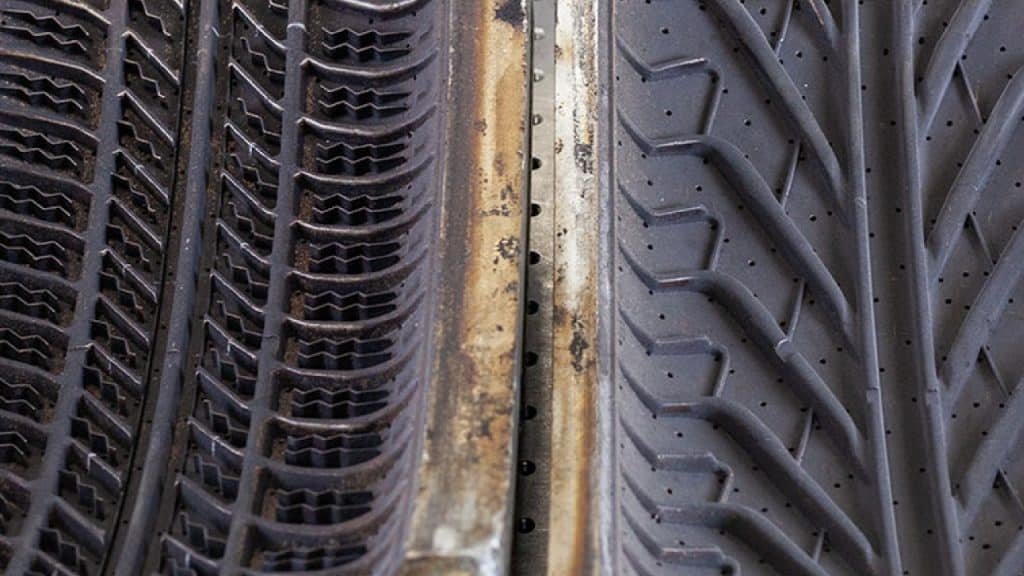
What exactly is laser cleaning?
A powerful laser beam removes dirt and other unwanted materials from the surface. When the laser hits the dirt, it heats the dirt but does not harm what is underneath. Laser cleaning is becoming more and more popular with companies. This method does not require harsh chemicals, produces very little waste, and can target specific areas that need cleaning with amazing precision. Companies do not need to purchase cleaning supplies such as harsh chemicals or scrubbing materials. This makes laser cleaning better for the environment and saves money over time.
You need special molds to make tires.
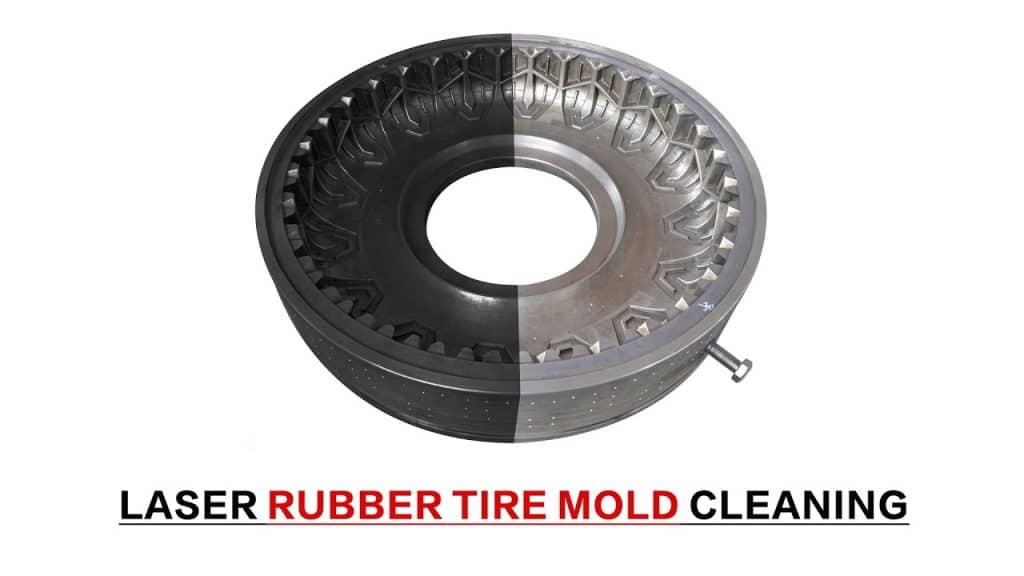
These molds slowly build up layers of rubber, oil, and other stuff over many hours of continuous tire production until they become too dirty to work properly. Bad tires come from dirty molds. Through extensive testing and real-world experience, manufacturers have found that keeping molds clean leads to longer-lasting molds and consistently higher quality tires that meet strict safety standards.
People used to clean molds the hard way. The old methods – like scrubbing with brushes, using strong chemicals, blasting with sound, or spraying with dry ice – just don’t cut it anymore in today’s fast-paced tire factories where every second of production time counts and even tiny mistakes can lead to problems. Laser cleaning changed everything. The incredibly precise laser beam reaches all the tiny grooves and corners in the mold without causing any damage to the expensive equipment that tire companies rely on every day. Setting up the cleaning is simple. Factory workers can easily program robotic systems to automatically clean the molds according to a regular schedule that keeps production running smoothly and efficiently while maintaining consistent quality standards. While traditional cleaning needs lots of supplies, laser systems are different – they just plug in and work.

Application of Laser Cleaning in Silent Tire Inner Wall Cleaning
As electric vehicles become more common, tire manufacturers need to create quieter-running tires. This growing trend has led companies to develop special tires that use new materials and manufacturing methods to keep noise levels low while maintaining safety and performance standards. A clean tire interior is critical. Manufacturers must ensure that there is nothing on these surfaces that could prevent sound-deadening materials from properly adhering to create the quieter tires that customers increasingly demand.
Lasers offer a great way to clean the inside of tires. Powerful laser beams can quickly and effectively remove residual chemicals, dirt, and other unwanted materials from the inner surface of the tire, helping to ensure quality. This cleaning step helps everything stick together. Tire manufacturers have discovered through careful testing that laser methods are more effective than older methods for several important reasons.
Using lasers to clean tires offers clear benefits. The process does not require any special cleaning products or harsh chemicals that could harm the environment or increase manufacturing costs. The laser removes dirt without damaging the tire. This careful approach ensures that each tire meets strict safety standards while maintaining its strength and structure throughout the manufacturing process. Laser cleaning is uniform everywhere it touches. Laser systems are quick and easy to use, making them a great fit for modern tire factories without slowing down production.
Application of Laser Cleaning in Tire Rubber Texturing
Tire companies often put new treads on old tires to make them last longer. This process, called retreading, helps save money and reduces waste, but the old surface needs to be roughened up first so the new tread will stick properly. Old methods like grinding or blasting with sand often created uneven surfaces. These inconsistent surfaces could lead to problems with the retreaded tire’s quality and safety.
Laser cleaning offers a better way to prepare the surface. Using special laser pulses, workers can create tiny, evenly-spaced marks on the rubber that help the new tread stick better than ever before. This approach works well for several reasons. The laser creates the same pattern everywhere it touches, which helps the new tread stick evenly and last longer. Unlike grinding, lasers don’t create dust or mess. The improved grip between the old tire and new tread makes better, longer-lasting tires. Workers can adjust the laser settings to create different patterns for different kinds of tires.
Benefits of Laser Cleaning in the Tire Rubber Industry
Lasers help clean tires and tire manufacturing equipment in many different ways, making them better than the old cleaning methods that factories have used for years. They don’t require chemicals. While it costs more initially to purchase laser equipment, over time, companies can save money because they don’t have to buy cleaning supplies or pay as many workers for their time. The precision of laser cleaning is amazing. This precise cleaning makes tires better, last longer, and molds safer, producing a better product day after day.
Laser cleaning saves factories time. By automatically controlling the cleaning process with smart computer programs, factories can produce more tires and spend less time out of production cleaning equipment. Lasers can clean many different things. Whether it’s rubber, metal, or a hybrid, laser cleaning works for all the different parts and tools that make tires.
Conclusion
Let’s summarize what we’ve learned about laser cleaning in tire factories. This new way of cleaning helps make better tires while being more environmentally friendly than the traditional methods that rely on harsh chemicals and a lot of manual labor. The laser method works so well that more and more tire companies are switching to it. As companies build newer, better laser systems, we’ll see more ways to use this technology in tire manufacturing. Switching to laser cleaning helps tire manufacturers meet growing customer demands for higher-quality tires that last longer and do not harm the environment.