
The history of laser welding has seen significant changes over time. Scientists began studying how lasers work back in the early 1900s, but no one could build a real laser yet. The first working laser wasn’t built until 1960, marking a huge breakthrough in science. Just four years later, researchers made two new types of lasers – the YAG laser and the CO2 laser. These early lasers opened up many new possibilities. Both types are still used in factories today to join metal parts together. At first, lasers were only used in science labs for experiments. But in 1984, factories started using lasers to weld metal parts together on a large scale.
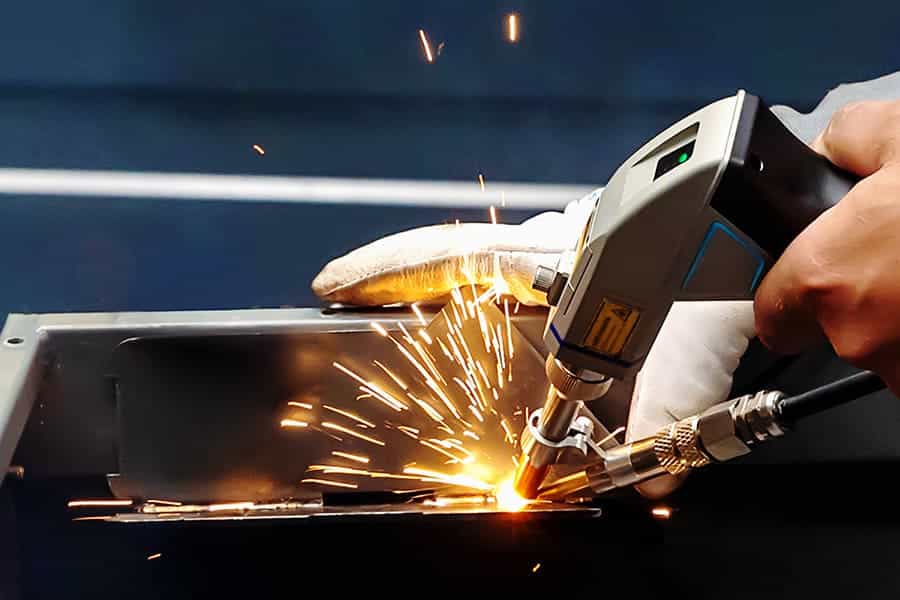
Better lasers kept being invented over time. New kinds of lasers, like fiber lasers and disk lasers, helped welders do even more precise work. These improvements made laser welding faster and better than ever before. Now, laser welding is used everywhere from car factories to electronics shops.
Today’s welders can do amazing things with lasers. They can join metals in different ways, like brazing (which is like soldering but stronger) and using hot or cold wire with the laser. Laser welding has become super important in modern manufacturing. It helps make everything from phones to cars, working faster and more precisely than older welding methods ever could.
Why Automatic Laser Welding is Better
Old-fashioned welding often has problems when joining metal parts together. High heat can bend or twist metal parts out of shape, which takes extra time and money to repair. Automatic laser welding uses less heat to join metals. This means that the metal retains its shape better and is less expensive to process.
There are many advantages to automatic laser welding machines. These machines can work without a person operating them all the time, making them very useful in factories. The machines work fast and make the same high quality welds every time. Workers can easily change the way the laser works by adjusting the focus.
There are two main types of laser welding:
Deep welding joins metals with a strong bond. It uses more laser power but makes very strong connections between metal pieces. Surface welding uses less power and moves more slowly. This type makes smooth, clean-looking welds that look nice on the finished product.

Why Automated Laser Welding is Important
Automated laser welding helps to increase the efficiency of your factory. Traditional welding methods often require multiple steps to join large or complex parts. However, laser welding robots can do all the steps at once, saving a lot of time. Additionally, not only do these machines not make mistakes like people do, but they can also perform intense work tomorrow.
Heat Problems
Traditional welding usually applies too much heat to the metal. This extra heat often leads to shape changes in the metal piece that you don’t want. Laser welding, on the other hand, solves this problem effectively because it uses much less heat. The metal will retain its correct shape, so workers won’t have to repair it afterward.
Better looking welds
Laser welding looks clean and tidy. The laser beam is so precise that it creates thin, accurate welds without a lot of cleanup. When surface welding is used, the welds look better. This is important when manufacturing aesthetically pleasing items such as automobiles or electronics.
Multiple Uses
Laser welding can be used for many different jobs. The machine can quickly switch between different types of welding as needed. This is helpful for factories that manufacture different products such as car parts, cell phones, or medical devices.
Saves money
Laser welding causes fewer problems with metal parts. This means that workers spend less time repairing welds after welding. Since fewer workers and materials are needed to complete the job, factories can save money.
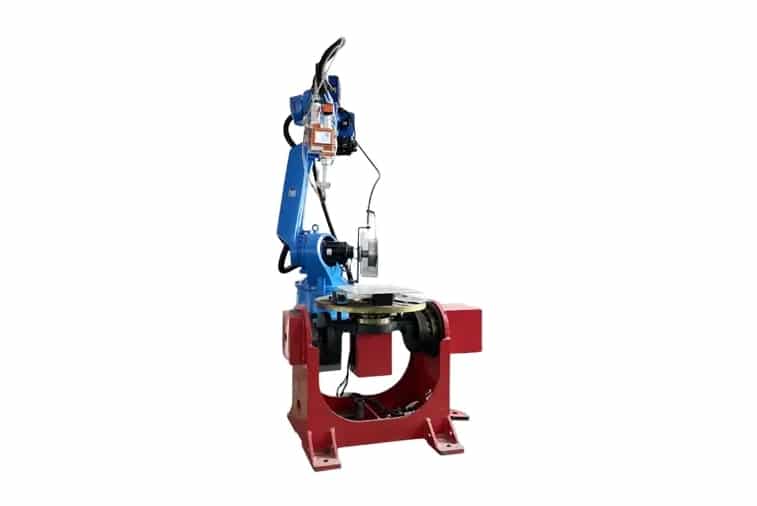
Areas of application for laser welding
More factories than ever are using automated laser welding. This specialized way of joining metal parts helps many different industries produce better products.
Automobile Manufacturing
Laser welding has changed the way cars are made. Workers use lasers to join body parts, make exhaust pipes, and assemble batteries for electric cars. These machines can work quickly to make a perfect weld every time. Fast, clean welds help factories efficiently build large numbers of cars.
Electronics
Laser welding is great for making electronics. The laser can join very small parts without damaging nearby precision parts. This delicate touch is perfect for manufacturing circuit boards and other tiny electronic parts. The precise control of the laser means fewer mistakes and better products.
Aircraft Components
Aircraft require specialized welds that are both strong and lightweight. Laser welding provides aircraft manufacturers with the materials needed to accomplish these difficult jobs. Lasers use less heat than other welding methods, so metal parts hold their shape better.
Medical Tools
Manufacturing medical devices requires perfect welds every time. Laser welding helps create tools that doctors can trust. Clean, precise welds make medical devices safer and more reliable for patients.
Looking Back and Ahead
Laser welding has come a long way since it started in the 1960s. Today, it helps make many things we use every day. Automatic laser welding makes work faster and better than ever before. The welds are stronger, cleaner, and cost less to make.
As time goes on, laser welding will keep getting better. New improvements will help factories work even faster and smarter. Automatic laser welding helps make high-quality products quickly and saves money. This makes it very important for making things in the future.