
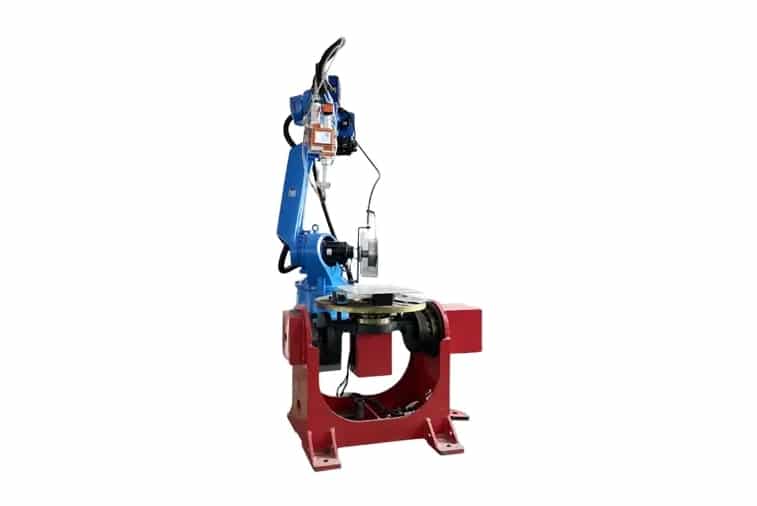
Laser welding uses a focused beam of light to join metal and plastic together. This amazing method has changed the way we make products in our factories, allowing us to work more accurately and faster than ever before, while saving time and money. Car manufacturers use it. Companies that make airplanes, electronics and medical tools also use laser welding to create strong, clean connections between parts.

How laser welding works:
The process begins with a powerful beam of light. This beam is focused on the surfaces of the materials that need to be joined together, generating enough heat to melt the materials at the exact point of contact. The process happens quickly. When the laser beam is removed, the melted material quickly cools and becomes solid, forming a strong bond between the parts.
There are two main ways to weld with lasers:
Heat Flow Welding:
A laser heats up the top of the material. This gentler method spreads heat through the material to melt the edges where parts meet, making clean and neat-looking connections that work well for things that don’t need to be super strong. People use this type to make jewelry. It’s also good for joining thin pieces of metal and making decorative items that need to look nice.
Deep Welding:
The laser makes a small hole in the material that fills with super-hot gas. The deep method lets welders join thick materials and make very strong connections between parts. This is why car manufacturers choose this type. Airplane builders also use this method when they need to make parts that must stay together no matter what.
Why Laser Welding is Better
Laser welding is superior to previous methods of joining materials. This particular method offers many benefits to manufacturers, including greater accuracy, faster work times, and the ability to join many different materials in ways that were previously unattainable. The laser beam can be focused on tiny points. Manufacturers utilize this amazing precision to join small parts that other welding methods cannot properly handle.
Heat can be held where it is needed. This concentrated heat means that the area around the weld is not damaged or distorted, whereas other types of welding spread the heat over a larger area. With lasers, workers can get the job done faster. High-speed welding helps companies produce more products and get them to customers faster than ever before.
This type of machine is costly at first. But over time, companies save money because laser welding requires fewer workers, is faster and wastes less material than other methods. Lasers can weld different types of metals and plastics. This flexibility makes laser welding suitable for many different industries, from automotive manufacturing to jewelry design.

Where Laser Welding is Used
Car Manufacturing: Lasers help build modern cars. The welding process is especially important for making battery packs in electric cars, where the connections need to be perfect for safety and long life. Car makers also use lasers to join body panels and make exhaust systems that look good and last long.
Airplane Building:
Airplane makers love laser welding. They use it to join light materials like titanium and aluminum, which need special care to stay strong and safe for flying. The process also helps make engine parts that can handle extreme heat and stress without breaking down.
Electronics:
Tiny electronic parts need precise welding. Companies use lasers to join small pieces in phones, computers, and other devices that we use every day. The welds must be perfect for these devices to work right.
Medical Tools:
Doctors need tools that are clean and safe. Laser welding helps make surgical tools and implants that won’t harm patients. The process is perfect for making things like pacemakers that need to work perfectly inside the human body.
Other Uses:
Many factories use laser welding. They join pipes that won’t leak and make heavy equipment that stays strong for years. Even jewelry makers use lasers. The precise beam helps them make beautiful pieces and fix damaged jewelry without ruining the design.
Problems with Laser Welding
There are some disadvantages to laser welding that companies need to consider. The biggest problem with it is that the machines are expensive to purchase. This means that the initial investment will be large. Companies usually make the money back over time, though, because the machines work so well and last for many years.
Using a laser welding machine requires special training. Of course, this is not to say that laser welding machines are more difficult to use than traditional welding machines. It’s simply because when first introduced to a new type of machine, workers must master exactly how to operate the equipment and solve problems as they arise, which takes time and money. Machines require frequent maintenance to keep them working properly. This means cleaning the parts that produce the laser beam, making sure everything is set up correctly, and checking that the cooling system is working properly.
Some metals are difficult to laser weld. Materials that reflect too much light, such as copper and gold, can cause problems for welders, but the latest machines have gotten better at handling these tough materials.
The Next Step in Laser Welding
Intelligent computers make laser welding better. These systems can change the welding settings themselves while the machine is running, thus contributing to better welding results and fewer errors. During the welding process, special cameras monitor the process. These cameras can spot problems immediately so workers can fix them before they damage too many parts. And some areas that are difficult to weld to manually are able to be done by intelligent computers.
Laser welding helps protect the environment. Laser welding produces less waste and uses less power to operate than other traditional welding methods. More and more companies are using laser welding to make parts for solar panels and wind turbines, which helps create clean energy.
3D printing now uses laser welding as well. Lasers can weld tiny amounts of metal at precise points to create complex shapes that would be difficult to make by other methods. Scientists are working on new ways to weld shiny metals. This research will help companies use laser welding for a wider variety of products in the future.
Conclusion
Laser welding has changed how we make things. The method combines super-fast working speeds with perfect accuracy, which helps make everything from car parts to medical tools. Though laser welding machines cost a lot and need skilled workers to run them, they’re getting better all the time. Smart computers, watching cameras, and earth-friendly features are fixing the old problems that made laser welding hard to use.
The future looks good for laser welding. As more companies want to work faster and waste less, laser welding will keep getting more popular and better at what it does.