
Laser welding can join materials together in many different ways. This particular method allows workers to join parts quickly and accurately, making it useful for many types of jobs. There are two main types of lasers used for welding. Known as YAG and CO2 laser welding, both lasers help to join materials, but in different ways.
Both lasers do the same basic job. These tools can work with a wide range of different materials, from thin to thick sheets, but each laser is better equipped for a specific task. Let’s take a look at how these two lasers differ. These differences can help workers choose the right laser for each job they need to complete.
How the Light Works
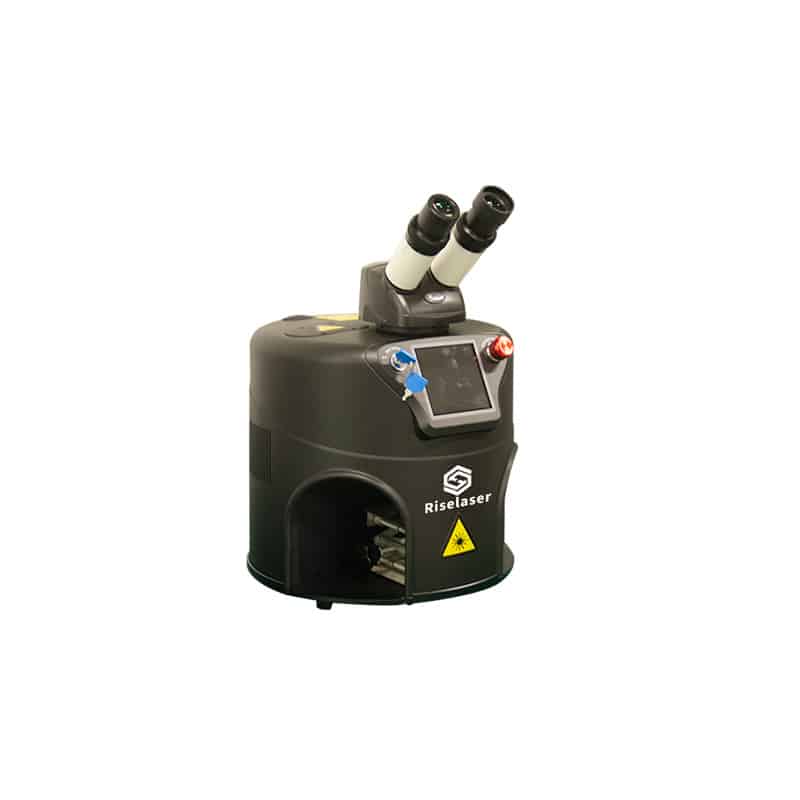
YAG lasers make a special kind of light that metals really like to soak up. This light works really well for joining metals like steel and aluminum together, and it can go deeper into the metal than other types of light. The light from YAG lasers is perfect for welding metal parts. When the light hits the metal, it goes deep inside and makes a strong connection.
CO2 lasers make a different kind of light. Their light works better with materials that aren’t metal, like plastic, wood, and clay, though they can still work with metal if needed. These lasers are great for cutting shapes and making marks on non-metal things. While they can weld metal too, they usually work best with thick pieces.
What Materials They Can Weld
YAG lasers can work with many different kinds of metal. They’re really good at welding steel, aluminum, copper, and other metals that are used in cars, airplanes, and electronics. Car makers and airplane builders love using YAG lasers. These lasers make clean, strong welds that are perfect for important parts.
CO2 lasers are different. While they can weld metal sometimes, they’re better at working with non-metal materials. These lasers work best when welding really thick pieces of metal. They don’t get used for metal welding as much as YAG lasers do.
How Well They Focus
YAG lasers can focus their light into a very tiny, precise spot. This makes them perfect for jobs that need careful, exact welds, like when making medical tools or small electronic parts. The focused light helps workers make perfect welds every time.
CO2 lasers are good at focusing too, but in a different way. They work best when cutting or marking things, or when welding bigger areas. These lasers aren’t as good for tiny, detailed welds. But when you need to weld something big, they work great.
Power Differences
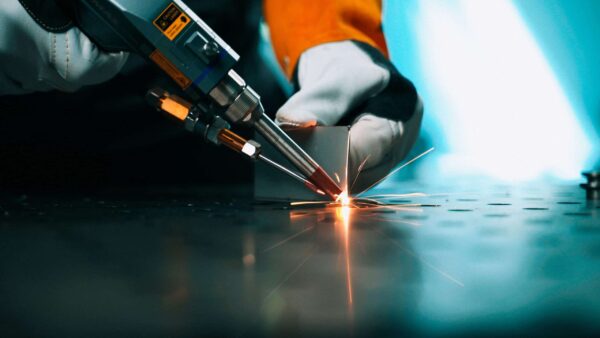
YAG lasers come in many different power levels. This means workers can use low power for small, careful jobs or high power for bigger tasks. These lasers are very flexible and can handle many different kinds of welding jobs.
CO2 lasers are known for their strong power output. They work great for big jobs and thick materials, but they need more power than YAG lasers to weld metal. Sometimes this extra power need makes them less practical for certain welding jobs.
How Each Laser Works Best
YAG lasers help to make precise welds on metal parts. These lasers are ideal for jobs that require careful, precise work, such as manufacturing automotive parts, electronic equipment, and airplane components. YAG lasers can weld tiny parts in electronic equipment. They are also ideal for joining specialty metals used in automobiles and airplanes, and can handle fragile materials that need to be handled with great care.
CO2 lasers are a different story. While they can handle metals, they are also very good at cutting and marking materials such as wood, plastics and fabrics, so they can be used for many different jobs. These lasers also work well where thick metals need to be welded, and CO2 lasers can also permanently mark almost any surface from metal to plastic.
Financial Issues
YAG lasers are initially expensive to purchase. However, these machines are long-lasting and less prone to breakage, so savings can be made over time. CO2 lasers are cheaper to buy at first. However, they are more expensive to run and maintain, especially when working with metals.
Principle of operation
YAG lasers make deep, precise welds in metal. The light they emit is directed straight at the metal, helping to form strong, neat joints that not only look good but also work well. CO2 lasers spread the energy over a larger area. These lasers work well for welding thick materials, but are not as good at making tiny, precise welds.
Making the Right Choice
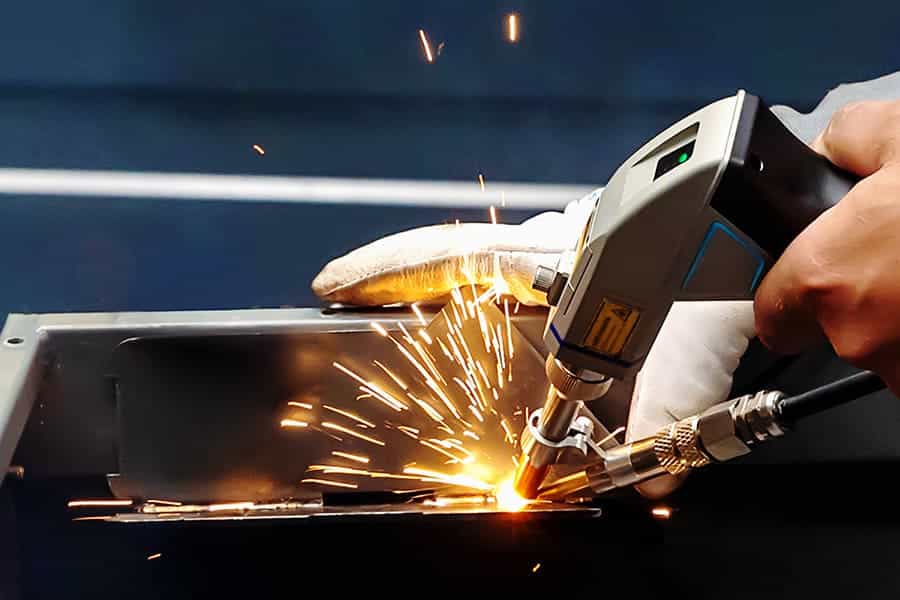
Choosing the right laser depends on what you need to do. Many factors are important when choosing these lasers, such as the material you are using and the thickness of the material. YAG lasers are best suited for precision metal processing. They are great for making items that need to be just right, such as automotive parts and medical tools.
CO2 lasers are better suited for different jobs. They are great for cutting and marking materials, and they also work well for welding thick metal pieces. The final choice depends on your needs. Both types of lasers are useful, but each can do certain jobs better than the other.