
Micro laser welding is revolutionizing precision manufacturing across industries, offering unmatched accuracy for joining the smallest components with minimal heat distortion. This advanced welding technology has become essential for medical devices, electronics, and aerospace applications where traditional welding methods fall short. In this comprehensive guide, you’ll discover everything you need to know about micro laser welding technology, applications, and whether it’s right for your project.
Understanding the Technology: Definition and Overview
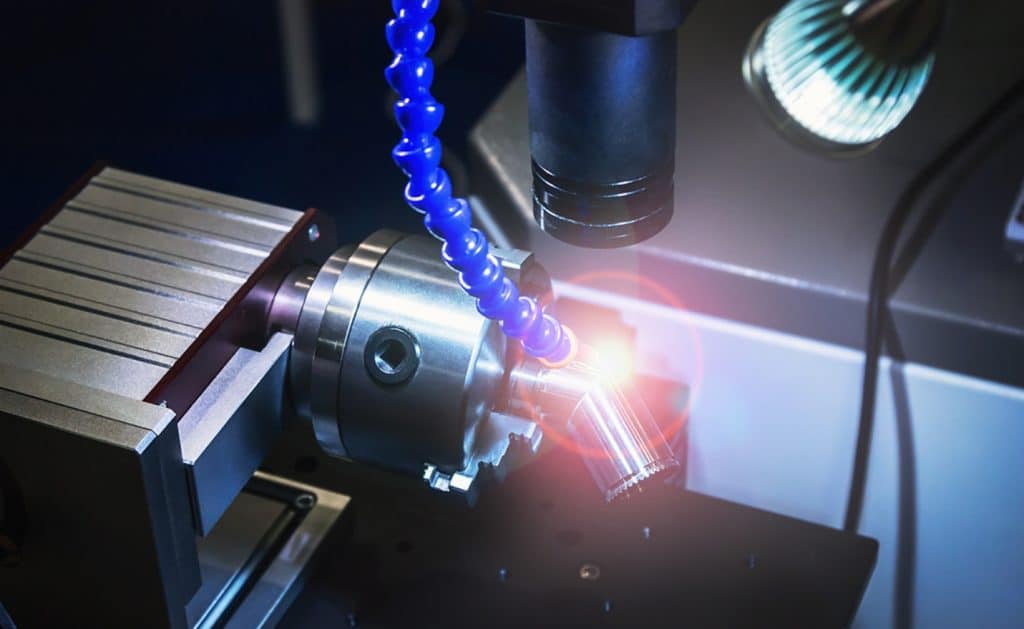
Micro laser welding refers to the precision welding process that joins delicate components together using focused laser energy with extremely low heat input. This technique is specifically designed for welding parts that are typically only millimeters in size, with penetration depths of less than 1 mm.
The process utilizes pulsed micro laser welding systems or continuous-wave fiber lasers to create high-quality fusion welds on components as thin as 0.03 mm. Unlike traditional welding methods, micro laser beam welding applies energy with extreme precision, making it ideal for applications where heat damage must be minimized.
Key characteristics include:
- Spot sizes: Typically 0.3mm or smaller focused beam diameter
- Material thickness: Suitable for components under 0.02 inches thick
- Precision requirements: Positioning accuracy within micrometers
How Does the Process Work? Basic Principles Explained
Micro laser welding systems operate by focusing a high-energy laser beam onto the joint interface, creating localized melting and fusion of materials. The process can occur in two primary modes depending on the laser power density and application requirements.
Conduction Mode Welding
Conduction mode welding occurs when the laser energy heats the material surface without creating a keyhole. The heat is conducted through the material thickness, creating a shallow weld pool that solidifies to form the joint.
This mode is ideal for:
- Thin sheet materials
- Applications requiring minimal penetration
- Sensitive components that cannot tolerate deep heat penetration
Keyhole (Deep Penetration) Welding
Keyhole welding happens when laser power density is high enough to vaporize material and create a vapor-filled cavity. The keyhole allows the laser beam to penetrate deeper into the material, creating stronger welds with higher aspect ratios.
Benefits of keyhole mode include:
- Deeper penetration capabilities
- Higher welding speeds
- Stronger joint formation for thicker materials
Key Benefits and Advantages
High Precision for Intricate Parts
Micro laser welding equipment delivers exceptional precision that’s impossible to achieve with traditional welding methods. The focused laser beam can be positioned with micrometer accuracy, making it perfect for welding components in medical devices and electronics where tolerances are critical.
Minimal Heat-Affected Zone (HAZ)
One of the most significant advantages is the extremely small heat-affected zone. Pulsed lasers apply minimal heat input, greatly reducing material warping and weld shrinkage compared to traditional TIG or MIG welding.
High Speed and Automation-Friendly
Micro welding laser systems can complete welds in milliseconds, making them ideal for high-volume production. The process is easily automated and can achieve speeds up to 50 welds per second in battery manufacturing applications.
Strong, Clean Welds Without Filler
Laser technology creates strong fusion welds without requiring filler materials. The process uses only light energy, eliminating potential contamination from electrical current that can damage sensitive electronic components.
Versatility Across Different Materials
The technology works effectively on various metals including:
- Copper and aluminum (even dissimilar metal combinations)
- Stainless steel and titanium
- Precious metals for jewelry applications
- High-strength aerospace alloys
Industrial Applications and Use Cases
Medical Device Manufacturing
Micro laser welders are essential in medical device production for joining components like pacemaker housings, surgical instruments, and implantable devices. The precision and cleanliness of laser welds meet strict biocompatibility requirements.
Electronics and Semiconductors
The electronics industry relies heavily on micro laser welding machines for:
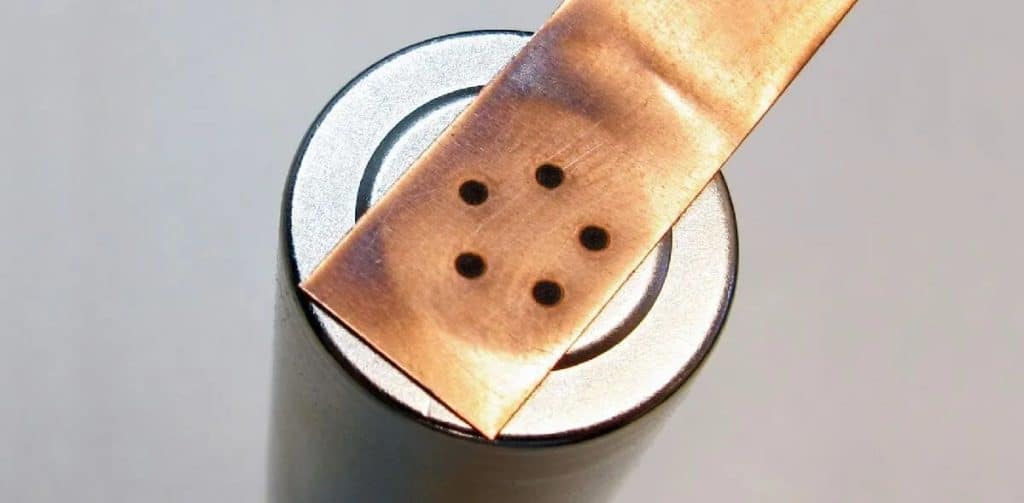
- Battery tab welding in electric vehicles
- Semiconductor packaging
- Connector assembly
- Circuit board component attachment
Automotive Industry
Automotive applications include:
- Electric vehicle battery pack assembly (requiring up to 13,000 individual welds per pack)
- Sensor component welding
- Fuel system components
- Airbag initiator assembly
Aerospace and Defense
Aerospace applications demand the highest quality standards, making laser micro-welding of copper and aluminum components critical for:
- Avionics systems
- Satellite components
- Defense electronics
- Precision instrumentation
Essential Equipment and System Components
The Laser Source
The heart of any micro laser welding system is the laser source. Common options include:
- Pulsed Nd: YAG lasers: Traditional choice offering excellent pulse control
- Fiber lasers: Modern option with higher efficiency and lower maintenance
- Nanosecond fiber lasers: Ultra-short pulse capability for minimal heat input
Micro laser welding machine price varies significantly based on laser type and power, ranging from $200,000 for basic systems to over $500,000 for advanced configurations.
Beam Delivery Optics
Precision optics focus the laser beam to the required spot size and deliver it to the workpiece. Key components include:
- Focusing lenses
- Beam shaping optics
- Coaxial vision systems for precise positioning
Motion and Control Systems
Micro laser welding equipment requires sophisticated motion control for accurate positioning. Systems typically include:
- High-precision galvanometer scanners
- Linear motion stages
- Rotary positioning systems
- Advanced software control (such as Samlight software)
Comparison with Traditional Joining Methods
Laser Technology vs. Resistance Welding
| Feature | Micro Laser Welding | Resistance Welding |
|---|---|---|
| Precision | Extremely high precision | Lower precision capability |
| Heat-Affected Zone | Minimal HAZ | Larger thermal influence |
| Speed | High-speed processing | Slower welding speed |
| Equipment Cost | Higher initial investment | Lower equipment cost |
| Material Limitations | Some reflective materials challenging | Wide range of materials |
Laser vs. Ultrasonic Joining Methods
Ultrasonic welding uses mechanical vibrations to create bonds without melting. Key differences include:
- Joint strength: Laser welding produces stronger joints with deeper penetration
- Design flexibility: Laser welding offers unlimited weld shapes vs. limited sonotrode patterns
- Material thickness: Ultrasonic welding limited to thinner materials (0.12-0.3mm)
- Heat input: Ultrasonic welding has a lower heat-affected zone
Laser vs. Electron Beam Comparison
While both offer precision welding capabilities, micro laser welders provide several advantages:
- No vacuum chamber requirement
- Easier automation and integration
- Lower operating costs
- Better accessibility for complex geometries
Limitations and Potential Drawbacks
High Initial Investment Cost
Micro laser welder systems for sale represent a significant capital investment. Professional-grade systems typically cost $200,000-$500,000, making the technology challenging for smaller operations.
Sensitivity to Gaps and Part Fit-Up
Laser welding requires excellent part fit-up with minimal gaps. Poor part preparation can lead to:
- Inconsistent weld quality
- Porosity issues
- Joint failure
Safety Requirements
Micro laser welding equipment requires strict safety protocols. Considerations include:
- Laser safety training for operators
- Proper eye protection equipment
- Controlled access work areas
- Regular safety equipment maintenance
Making the Right Choice for Your Manufacturing Needs
Micro laser welding offers unparalleled precision and quality for applications requiring minimal heat input and maximum accuracy. The technology is ideal for high-value, precision manufacturing where traditional welding methods cannot meet requirements.
Consider this technology if your project involves thin materials, requires exceptional precision, or demands minimal heat distortion. While the initial investment is substantial, the technology pays dividends through improved quality, reduced post-processing, and higher production speeds.
Ready to explore precision welding solutions for your jewelry projects?
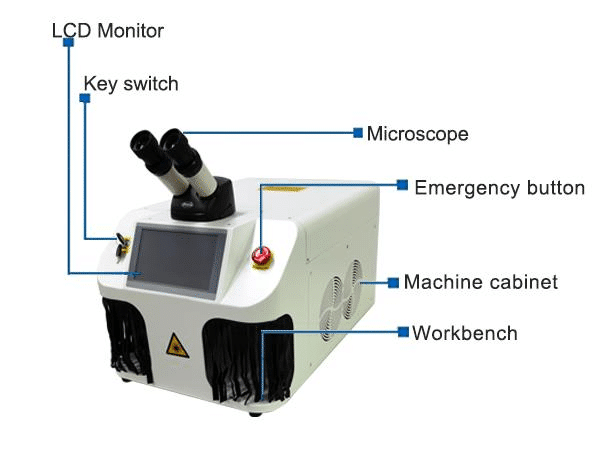
Our specialized jewelry spot welders offer the perfect balance of precision and affordability for precious metal applications. Contact us today to discover how our micro welding technology can elevate your craftsmanship and reduce production time while maintaining the highest quality standards.