Laser cleaning is transforming the way we remove rust, paint, and contaminants from surfaces. If you’re searching for a safer, smarter, and more efficient alternative to traditional cleaning methods, laser cleaning is the answer. But what exactly is it, how does it work, and why is it gaining so much traction across industries? Let’s break it down in simple terms and help you decide if a laser cleaner is right for you.
What Is Laser Cleaning?
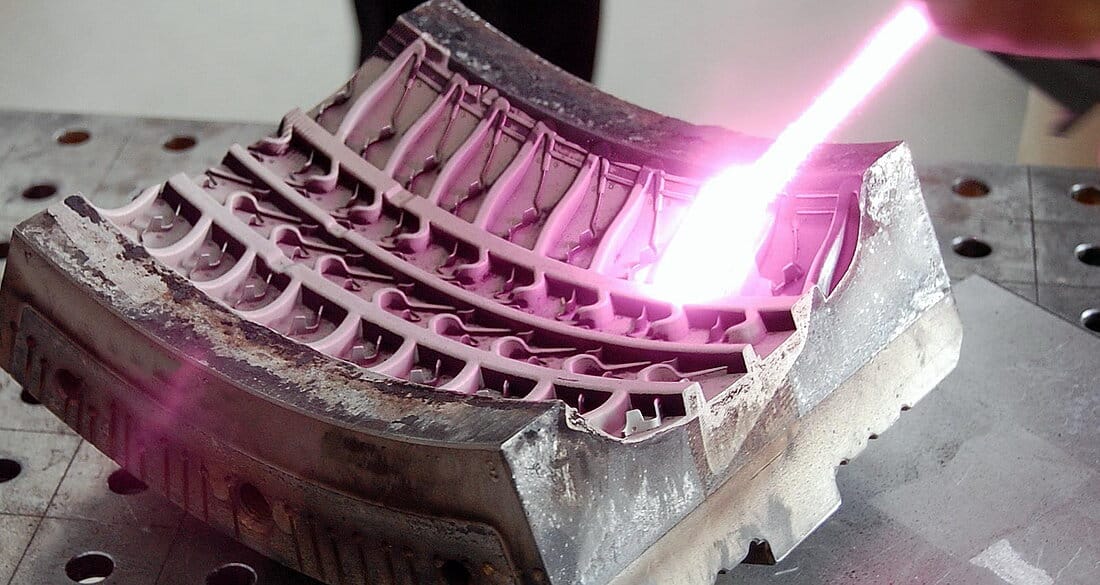
Laser cleaning is a cutting-edge, non-contact technology that uses high-intensity laser beams to remove unwanted materials, like rust, paint, oil, and oxides, from surfaces. The laser energy is absorbed by the contaminant, which then vaporizes or is ejected by thermal expansion, leaving the base material untouched and undamaged.
Key Benefits
- Non-abrasive: No physical contact means no wear on the base material.
- Eco-friendly: No chemicals or abrasive media required.
- Precision: Targets only the contaminant, not the substrate.
- Low maintenance: Fewer consumables and less mess compared to sandblasting or chemical cleaning.
How Does a Laser Cleaner Work?
Imagine pointing a focused beam of light at a rusty metal part. The laser heats the rust just enough to make it pop off, but not enough to harm the metal underneath. Most laser cleaning machines use fiber lasers, which can be handheld or fully automated, depending on your needs.
Types of Laser Cleaning Machines
| Type | Best For | Example Use Case |
|---|---|---|
| Handheld Laser Cleaner | Versatile, portable jobs | On-site rust removal |
| Fiber Laser Cleaning Machine | High-precision, industrial applications | Automotive part cleaning |
| Portable Laser Cleaning Machine | Fieldwork, hard-to-reach areas | Restoration of outdoor statues |
Main Applications
Laser cleaning is used across a wide range of industries. Here are some of the most common uses:
- Industrial workpieces: Removing paint, rust, oil, and oxides from metals and ceramics.
- Automotive: Pre and post-welding cleaning, corrosion resistance, and surface preparation for bonding.
- Electronics: Cleaning delicate circuit boards and microelectronics without damage.
- Art restoration: Safely cleaning sculptures, monuments, and historical artifacts.
- Pipeline and ship maintenance: Removing deposits and corrosion in hard-to-reach areas.

Laser Cleaning Machine Price: What to Expect
Prices for laser cleaning machines vary depending on power, features, and brand:
- Entry-level handheld units: From a few thousand dollars.
- Industrial fiber laser cleaning machines: $10,000–$100,000+, depending on wattage and automation.
- Portable laser cleaning machines: Typically fall in the mid-range.
Always consider your specific needs—higher power means faster cleaning, but comes at a higher cost.
Laser Cleaning Methods
There are several types of laser cleaning, each suited to different tasks:
- Pulsed Laser Cleaning: Best for sensitive materials, minimal heat transfer.
- Continuous Wave (CW) Laser Cleaning: Faster for heavy-duty jobs, but more heat.
- Shock Laser Cleaning: Uses plasma-induced shockwaves for deep cleaning at the nano level.
- Nd: YAG and Diode Lasers: Offer versatility and control for specialized tasks.
Why Is Laser Cleaning Growing So Fast?
- Environmental regulations: Push industries to adopt green, chemical-free cleaning methods.
- Automation: Integration with robots and production lines boosts efficiency and reduces labor costs.
- Industry demand: Automotive, aerospace, and electronics sectors need precise, residue-free cleaning.
- Market growth: The global laser cleaning market is expected to grow at a 5–8% CAGR through 2031, driven by these trends.
Real-World Examples
- Heritage restoration: Laser cleaning restored a 140-year-old home and sensitive sculptures after fire damage, preserving delicate details without chemicals or abrasives.
- Automotive manufacturing: Major carmakers use fiber laser cleaners for weld prep and corrosion resistance, improving bond quality and reducing waste by up to 90%.
Laser Cleaning vs. Traditional Methods
| Feature | Laser Cleaning | Sandblasting/Chemicals |
|---|---|---|
| Contact | Non-contact | Abrasive/chemical contact |
| Waste | Minimal | High |
| Precision | High | Low–Medium |
| Maintenance | Low | High |
| Environmental | Eco-friendly | Polluting |
| Cost (long-term) | Lower | Higher |
Is Laser Cleaning Right for You?
Ask yourself:
- Do you need to remove rust, paint, or contaminants without damaging the base material?
- Are you looking for an eco-friendly, low-maintenance solution?
- Do you want to reduce waste and avoid harsh chemicals?
- Are you working with delicate or high-value components?
If you answered yes, a laser cleaner could be your best investment.

Final Thought
Laser cleaning is revolutionizing surface preparation and restoration. Whether you need a handheld laser cleaner for small jobs or a fiber laser cleaning machine for industrial use, this technology offers the precision, speed, and eco-friendliness modern industries demand. Explore your options and join the future of cleaning today.
FAQs
A: Yes, but only with the right settings—laser cleaning wood requires lower power to avoid burning.
A: Pulsed laser cleaners are ideal for sensitive surfaces like electronics, glass, and ceramics.
A: Automotive, aerospace, electronics, construction, art restoration, and more.