
Laser cladding technology is a meticulous method of adding material to a metal surface to make it stronger. This advanced technology can help repair broken machine parts and make existing equipment work better by creating a protective layer that bonds to the surface, which is why so many different industries rely on it to keep their equipment in good working order. This process is better than older methods of metal coating. This breakthrough in manufacturing technology has changed the way we repair and improve metal parts, making equipment more durable and performing better in harsh conditions.

What is Laser Cladding Technology?
A laser beam melts metal onto another metal surface. This carefully controlled process uses powder or wire as the coating material, which is melted under the powerful laser light and then rapidly hardens to form a strong new surface that helps protect the metal underneath from wear and tear. The coating adheres to the metal at a molecular level. This special bonding allows the coating to last much longer than ordinary surface treatments and helps machine parts resist damage caused by chemicals and long-term use.
How Does Laser Cladding Work?
The laser cladding process begins with the use of a powerful laser that creates a small pool of molten metal. Engineers can feed wire or metal powder into this hot spot, and this flexible approach allows them to choose the best method for each specific job, whether it’s repairing a worn part or making a new one stronger. The laser heats a very small area at a time. This concentrated heating keeps the rest of the part safe and cool, which is especially important when working with expensive or delicate equipment.
Types of Laser Cladding
There are two main methods of laser cladding. The newer method, called Extreme High Speed Laser Application (EHLA), makes the process faster and more precise by feeding the powder into the laser beam before it hits the metal surface, resulting in better control and thinner coatings that still provide excellent protection. Coatings can be as thin as a hair or thicker as needed. This improved method works up to 100 times faster than the old technology, making it more suitable for large-scale manufacturing projects.

Advantages of Laser Cladding Technology
Laser cladding is superior to traditional coating methods in many ways. The process allows engineers to apply the coating exactly where it is needed, meaning that they can protect only the parts that need to be protected and not the rest. Laser cladding can work with many different types of metals. From making cars to building airplanes, this flexibility makes it useful in many different industries, as manufacturers can pick the most suitable metal for each specific job.
The coating is very strong. Engineers like this method because it heats only a small spot on the metal at a time, which prevents the rest of the part from being damaged or warped by too much heat. The process is very precise. Machines can automate the entire process, making it faster and more reliable than manual labor.
Laser cladding saves time in manufacturing parts. In this way, engineers can create specialized parts that have different characteristics in different parts, such as being tougher at one end and softer at the other, which helps the part do a specific job better. The coating makes the metal stronger and more resistant to damage. This technology is especially good at repairing worn or broken parts, which saves companies money because they don’t have to buy new parts.
Problems with Laser Cladding
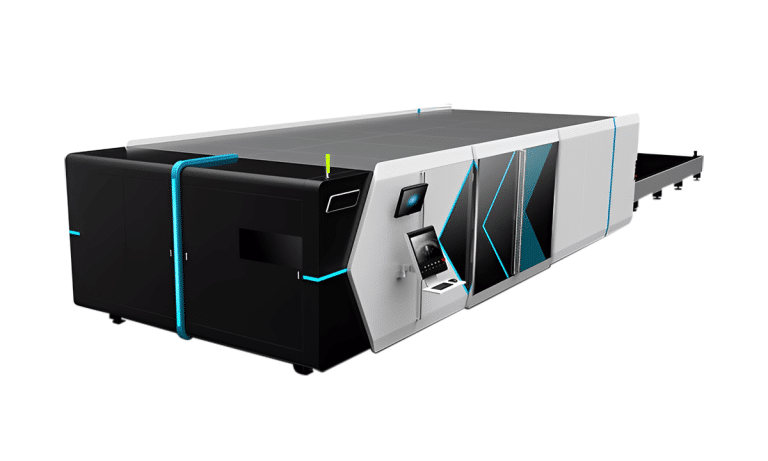
The equipment is expensive to purchase and install. The machines are large and heavy, making them difficult to move around, although some companies make portable units that can be used to make on-site repairs wherever they are needed. Sometimes the coating can crack if applied too quickly, but engineers can avoid this by heating the metal before coating and letting it cool slowly after coating.
Materials for Laser Cladding
Many different metals can be used for laser cladding. Aluminum is a good choice when a lightweight material that won’t rust is needed, while cobalt works well in very hot places and doesn’t wear out easily. Copper is good for parts that need to conduct heat or electricity well, while nickel is good for harsh environments where parts can get very hot or come into contact with chemicals that can damage them. Stainless steel is heavily used because it is strong and will not rust. Specialized metal blends called superalloys can be used in extreme conditions without damage. Titanium is strong but lightweight, making it ideal for making airplane parts. Tool steel is used to make things that need to be very hard, such as drills and cutting tools. Some coatings even mix the metal with super-hard materials such as tungsten carbide to make it more resistant to wear.
How We Use Laser Cladding
Many different industries use laser cladding to make metal parts last longer and work better. This special coating process helps protect parts from damage and rust, and it’s also great for fixing broken equipment that would otherwise need to be replaced.
Cutting Tools
Laser cladding makes cutting tools stronger. The coating helps tools like saw blades and farming equipment last much longer and cut better, and workers can add the coating exactly where it’s needed to make sure the tools keep their shape and work the way they’re supposed to. These better tools help workers in construction and farming get more done.
Drilling Tools
Oil wells, mines, and deep-earth drilling need really tough tools. This coating process helps protect drill bits and other drilling equipment from wearing out too quickly, which means workers don’t have to stop as often to replace broken parts. The protective layer makes the tools work better in tough conditions.
Heat Exchangers
Heat exchangers can get damaged by hot temperatures and harsh chemicals. Coating them with special metals like nickel helps them last longer and work better, and this protection keeps them from cracking or breaking down when they’re exposed to tough conditions. These improvements help save money on repairs and replacements.
Hydraulic Cylinders
Mining equipment uses lots of hydraulic cylinders that need protection from rust. Laser cladding works better than the old chrome coating method that used to be popular. This newer method helps the parts last much longer and doesn’t need as much fixing over time.
Better Than Chrome Plating
Many companies are moving away from chrome plating because it can be bad for the environment. The newest type of laser cladding can put on very thin, precise coatings that work even better than chrome. This makes it a great choice for replacing chrome plating in many different uses.

Conclusion
Laser cladding technology helps make metal parts stronger and more resistant to damage. The process offers many benefits, like being very precise and helping fix old parts instead of throwing them away. Many industries use this technology, from airplane makers to mining companies, but the machines are expensive to buy at first. Even though it costs a lot to start using laser cladding, it saves money over time because parts last longer and don’t need as much fixing. As the technology gets better, more companies will probably start using it because it works well and doesn’t harm the environment as much as older methods.