
Laser cutting has changed the way we work with metal. This amazing tool is used in many different jobs, from building airplanes and cars to making electronics and signs, because it can cut metal quickly, accurately, and in complex shapes without much hassle. Many people wonder if lasers can actually cut metal. The simple answer is yes, and many businesses rely on this technology every day.
Laser cutting works well with many types of metal. It can cut common metals like steel, but it also cuts metals like aluminum very well, with advantages including precise cuts, no damage to the metal, and very little waste.

What is Laser Cutting?
Laser cutting uses a powerful beam of light to cut an object. The energy of a laser is so strong that it can melt or burn through a material, making very precise cuts that would be difficult to make any other way. Scientists first used lasers for research in the 1960s. As laser machines became better and cheaper, more and more companies began using them to cut metal.
How Does Laser Cutting Work?
The process starts with a powerful laser beam pointed at the metal. When the laser hits the metal, the metal becomes so hot that it melts or turns to vapor, and the machine moves the laser in the precise pattern needed to make the cut. When a laser touches metal, two main things happen:
Some of the laser energy enters the metal and is converted into heat. This heats the metal quickly, causing it to melt or turn into vapor.
The rest of the laser light reflects off the surface of the metal. While the machine can handle this, it can be more of a problem when cutting shiny metals like aluminum.
For thick metals, the machine typically uses strong gases like oxygen or nitrogen. These gases help blow away the molten metal and speed up the cut.
Types of Lasers Used to Cut Metal
Different types of lasers are used to cut metal, and each is good for a different job:
CO₂ lasers: These are the most common. They are good for cutting many types of metals and work well with thick pieces.
Fiber lasers: These lasers use a special glass fiber to create the laser beam. They are better for cutting shiny metals and don’t require as much maintenance.
YAG lasers: These lasers are very stable and have a long lifespan. They are best used for cutting thin sheets of metal and can make very precise cuts.

How Laser Cutting Metal Works
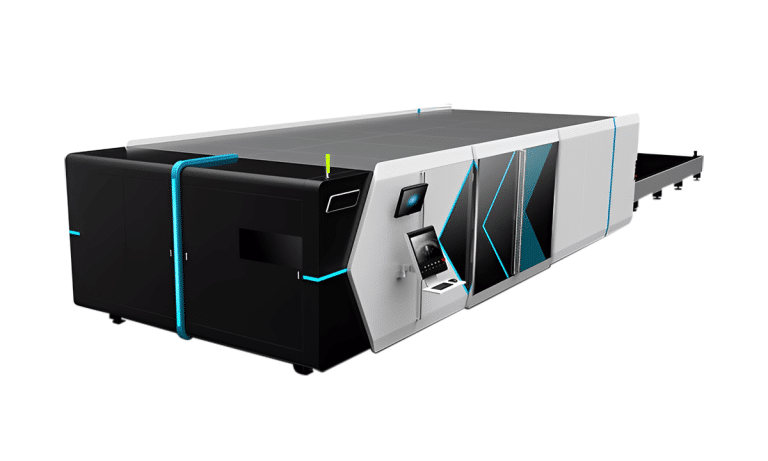
There are several important parts to a laser cutting machine. A laser cutting machine produces a powerful beam of light that is focused on a small spot on the metal. Special mirrors and lenses help direct the laser beam exactly where it needs to go. The cutting portion of the machine moves along a set path, allowing the laser to neatly cut through the metal.
When the laser shines on the metal, it only heats that small spot. This means that the laser can make very precise cuts without damaging the rest of the metal piece.
What Metals Can Lasers Cut?
Laser cutting works well with many types of metal. Regular steel is easy to cut with a laser and is widely used in factories. Stainless steel is great for laser cutting because the cuts are clean and the metal doesn’t deform. Aluminum can be tricky because it’s shiny and will reflect the laser, but strong lasers and special gases help with this. Titanium is harder to cut because it requires very high heat, but the laser can still cut it very precisely.
Different metals require different settings. For example, regular steel is best suited for one type of laser, while stainless steel and aluminum are better suited for another type of laser.
Factors that Affect Laser Cutting
Several things can affect how well laser cutting works:
The thickness of the metal has a big impact. Thin metals are easier to cut, but thick metals require more power and take longer to cut properly.
The power of the laser is very important. A more powerful laser can cut thicker metals faster, but too much power can damage the metal.
The type of laser used is important. Some lasers work better with certain metals than others.
Special gases help blow away the molten metal during the cutting process. This makes the whole process faster and cleaner.
How Thick Can Lasers Cut?
Different lasers can cut different thicknesses of metal. CO₂ lasers can cut from paper-thin to about an inch thick for regular steel. For stainless steel and aluminum, they can cut up to three-quarters of an inch.
Fiber lasers are great for cutting thin metals. They can handle stainless steel or aluminum from very thin to about 1.5 inches thick. The most powerful fiber lasers can cut thicker metals, but they may need to cut the same spot multiple times.
Why Laser Cutting Is Great for Metals
Laser cutting has many benefits:
It can make very precise cuts. The laser beam is so small that it can cut details as thin as a human hair.
It works faster than old-fashioned cutting tools. You don’t have to stop to change tools, so you can get more work done.
It wastes less metal than other cutting methods, saving costs.
It doesn’t touch the metal while cutting, so there is no risk of bending or breaking.
It can cut a variety of shapes, from simple straight lines to complex patterns.

Things to Think About When Using Laser Cutting
While laser cutting is great, you need to think about a few important things before using it. Different metals react differently to the laser – for example, shiny metals like aluminum bounce more of the laser light away, so they need stronger lasers. The way heat moves through the metal can also change how well the laser works.
Getting the right speed is very important. If the laser moves too fast, it might not cut all the way through the metal, but if it moves too slowly, the heat can damage the metal and make rough cuts.
Thicker metal pieces need special care. Sometimes the laser needs to cut over the same spot several times to get through thick metal, which can make the edges less smooth.
Conclusion
Laser cutting has become a key tool in many industries. It can cut many different kinds of metal quickly and exactly, which makes it perfect for all sorts of jobs. Better laser machines are being made all the time. As the technology gets better, we’ll be able to cut thicker metal and work with harder materials than ever before.
Laser cutting works great whether you’re making lots of the same thing or just one special piece. The technology keeps getting better every year, and more businesses are finding new ways to use it.