
Welding robots are changing how we join metal parts together. These smart machines are making welding faster, better, and safer for workers, and more companies are starting to use them in their factories every day. A robot welder is a machine that can move a welding tool precisely where it needs to go. The robot follows exact instructions to heat and join metal pieces, doing the same job over and over without getting tired.
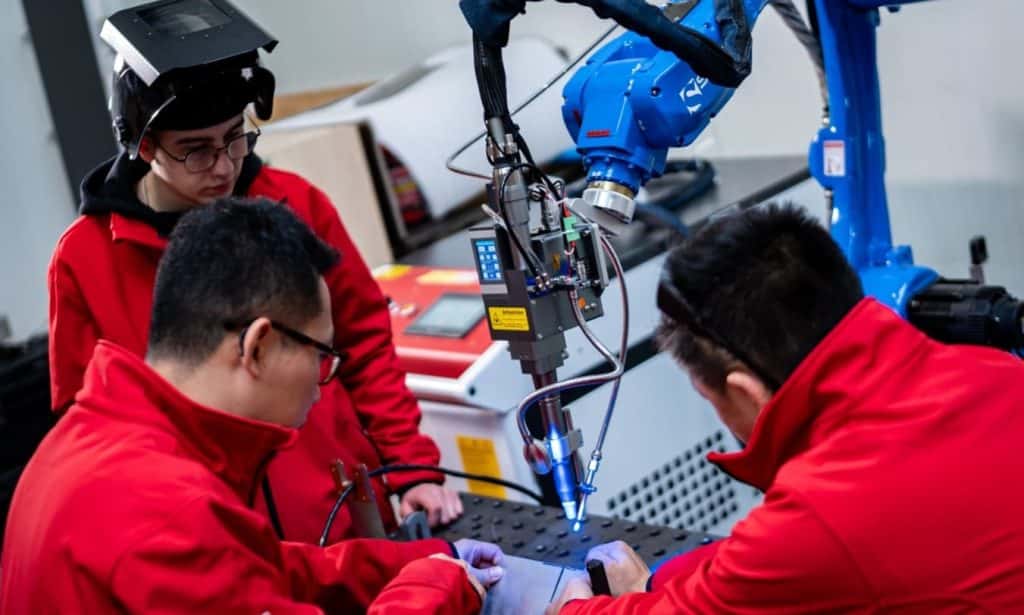
Manual Welding vs. Robotic Welding
There are two main ways to use welding robots. Some systems are fully automatic, where parts move on a belt and the robot welds them without any help from people. Workers put parts in place and take them away in other systems, but the robot still does all the welding work, which helps combine the best of both human and robot abilities.
Robots can weld much faster than people. These machines keep working without needing breaks or rest periods, which means they can make more parts in less time and save money for companies.
How Long Has Robotic Welding Been Around?
Welding robots have been around for quite a while. George Devol built the first robot that could be programmed back in 1954, and it was a pretty big deal at the time. This robot, which was called Unimate, started working at General Motors in New Jersey, where it helped weld car parts together. Robot technology kept getting better and better over many years, as engineers found ways to make the robots move more smoothly and control them more easily.
The 1980s saw lots of new welding robots come out. Today, newer and friendlier robots called cobots are making it easier for smaller shops to use robots too, since these machines are safer to work around and can be used for different jobs as needed.
Advantages of Welding Robots
Welding robots make many things better in factories. These helpful machines can weld parts faster and better than people can, and they make the workplace safer for everyone who works there.
Robots work much faster than human welders. While the best human welders can work well about 20% of the time, robots can keep going at full speed for 85% of the time, which means they get way more done. Robots don’t need breaks or time off, so they can keep working as long as needed.
Robots always weld the same way. Since they don’t get tired or lose focus like people do, every weld looks exactly the same as the one before it, which means better quality overall. These machines use less welding wire and other supplies than human welders.
Limitations of Welding Robots
But welding robots have some downsides. Companies need special workers who know how to program the robots and teach others how to work safely around them, which takes time and money. Setting up robot welders costs a lot at first, but most companies earn back what they spent within one to three years because the robots work so well.

What Are Welding Robots Used For?
Welding robots help make many different things. Car companies use them to weld car parts together quickly and accurately. Airplane makers use robots to weld complex parts that have to be perfect every time. Electronics companies use robots to put tiny parts together without making mistakes. Medical companies use these robots to make things like artificial joints and doctor’s tools that need to be exactly right.
The robots save money in the long run. They waste less material than human welders and don’t make as many mistakes, which means companies don’t have to throw away as many bad parts or fix as many problems.
Different Types of Welding Robots
There are many different kinds of welding robots. Each type is built to do a specific kind of welding job, and knowing the differences helps companies pick the right one for their needs.
Spot welding robots
Spot welding robots are mostly used to make cars. These special robots use electricity to heat metal parts and join them together, moving their arms in many different directions to reach exactly where they need to weld.
Helper robots
Helper robots, also called cobots, can work right next to people. They have special safety features that let them stop if they touch someone, and workers can teach them new tasks using a phone or tablet, which makes them perfect for smaller shops that need more flexibility.
Stick welding robots
Stick welding robots use a metal rod that gets used up as it makes the weld. These tough robots can handle heavy metal parts and need to keep adjusting as the welding rod gets shorter, but they do a great job on big projects.
MIG welding robots
MIG welding robots are some of the most common. They use a wire that feeds through automatically and can weld many different kinds of metal, making them perfect for factories that need to make lots of parts quickly.
TIG welding robots
TIG welding robots make very clean, pretty welds. These careful robots often have cameras to help them see exactly where to weld, and they work great on thin metal that needs to look nice when it’s done.
Laser welding robots
Laser welding robots use a powerful beam of light to join metal parts. The laser can work on thick or thin materials without warping them, which makes these robots perfect for making airplane parts and medical tools.
Plasma welding robots
Plasma welding robots use a super-hot gas to melt metal. They can make very narrow, strong welds and work well on different thicknesses of metal, giving companies lots of options for different jobs.
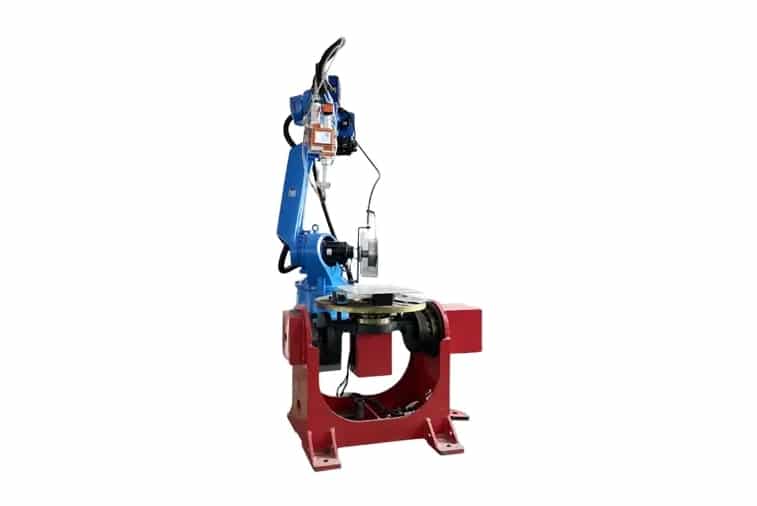
The Welding Industry is Evolving
The world of welding is changing fast. More companies are starting to use robots, even small businesses that couldn’t afford them before, and the robots keep getting better and easier to use. This means more shops can make better parts more quickly.
Robot welding helps many different kinds of businesses. Companies that choose the right robots can work faster and make better products than their competitors, which helps them stay successful in today’s fast-moving world.
The future looks bright for welding robots. As they get smarter and cheaper, more companies will be able to use them, and they’ll be able to do even more complicated jobs than they can today.