
Keeping aircraft in good condition is critical. Regular maintenance involves many different tasks that help an airplane stay safe and work properly for a long time. Removing old paint is one of the most important tasks a mechanic must do. This task requires careful attention because paint does more than just make an airplane look pretty-it helps prevent rust and displays company logos or military designs.
After a while, the paint begins to wear off. Mechanics need to remove all the old paint so they can check the metal underneath for any problems or damage that needs to be repaired. Old methods of removing paint, such as using harsh chemicals or sanding, can cause many problems. These methods harm the environment, put workers at risk, and sometimes damage the surface of the airplane.

Why Laser Paint Removal for Aircraft?
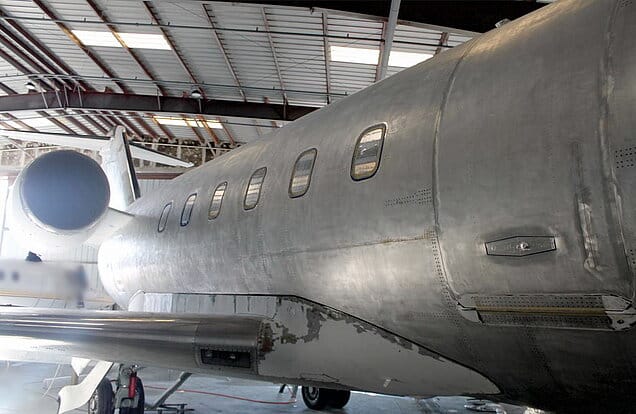
Laser paint removal offers a better method. This new method is popular in the aircraft industry because it is cleaner and safer than older techniques. While the chemicals can be dangerous and sanding requires a lot of hard work, lasers can quickly remove paint without touching the surface of the airplane.
Why Laser Paint Removal for Aircraft?
The process uses special CO2 lasers to get the job done. These lasers emit a powerful beam of light that heats the paint until it turns to vapor, but does not damage the metal underneath. It works as follows:
First, the laser beam hits the paint, causing it to become very hot. The heat breaks down the paint and strips it from the surface of the airplane in a short period of time. When the paint turns to vapor and mixes with air, it burns away completely. This process is even better than you think because the burning produces more heat than the laser itself.
The best part is that the lasers never actually touch the airplane. They only remove the paint layer, leaving the metal intact, which is important for easily damaged parts like wings. Laser removal is also very fast. It can remove multiple layers of paint at once, even the thicker paint used on military aircraft that is usually difficult to remove.
Advantages of Laser Paint Removal
Using lasers to remove paint offers many benefits compared to old-fashioned methods. These benefits make laser removal the best choice for taking paint off planes because it’s fast, safe, and good for the environment.
Good for the Environment
Laser paint removal helps protect our planet in a big way. Unlike chemical strippers that create toxic waste and use dangerous substances, lasers don’t produce any harmful chemicals or waste materials that need special handling. The laser method also saves water since you don’t need to wash away any chemicals afterward. Using lasers helps airplane companies reduce their impact on the environment.
Safe for Both Planes and Workers
Old ways of removing paint can scratch the plane’s surface and put workers in danger. Laser removal never touches the plane, which means it won’t cause any damage to the metal underneath the paint. Workers stay safer too when using lasers instead of chemicals for paint removal. They only need special glasses and protective curtains, not full protective suits like they would need with chemical strippers.
Exact and Quick
Lasers can remove paint with amazing accuracy. The laser beam can be controlled very precisely to work on specific areas of the plane without affecting anything around them. This method works much faster than traditional paint removal. Lasers can strip away several layers of paint all at once, which means the plane spends less time in the repair shop.
Saves Money Over Time
Buying a laser system costs a lot at first but saves money in the long run. You spend less on chemicals and workers’ time, and the job gets done faster, which means more planes can be serviced. The careful work of the laser also means fewer mistakes that need fixing later.
Works Well in Tight Spaces
Lasers can reach tricky spots that are hard to clean with other methods. Small areas under the wings or around complex parts are much easier to work on with a laser. The laser’s precise beam makes it possible to remove paint from these difficult spots without damaging nearby parts.
Types of Lasers Used
The main type of laser used for removing airplane paint is called a CO2 laser. These lasers work really well at taking paint off metal surfaces, even the special kinds of paint used on military planes. The laser uses a special mirror system to move the beam across the plane’s surface. This mirror setup helps remove paint from large areas quickly and efficiently.

Getting the Best Out of Laser Paint Removal
Getting good laser paint removal results requires careful planning and setup for each aircraft. The settings need to be just right for the particular type of paint to be removed, which means that technicians have to adjust two main aspects. They need to set the heat emitted by the laser so that it removes the paint without damaging the metal underneath.
The speed at which the laser beam moves across the surface is also important. The right speed will help ensure that the entire airplane gets cleaned properly without taking too long or consuming too much power.
Using Lasers Elsewhere
Laser paint removal works well on airplanes, but there’s more to it than that. The same concepts that make it applicable to airplanes also apply to many other places. Ships and submarines can be cleaned with lasers, making maintenance easier on vessels of all sizes. Buses and trains can benefit from laser cleaning when they need a new coat of paint. Even large structures like bridges can be cleaned in this way. Laser removal is particularly effective on large public buildings that are difficult to maintain with conventional tools.
Looking to the Future
Laser paint removal is changing the way we maintain airplanes. This method works better than older methods because it is precise, fast and does not harm the environment. Companies save time by using lasers rather than chemicals or scraping tools. As technology advances, more and more companies will begin using lasers to remove paint from airplanes.
Choosing laser paint removal can help airlines in many ways. It makes aircraft maintenance easier and safer while protecting the environment. Most importantly, it helps keep airplanes in good flying condition.