
Lasers help us do many different things in our everyday lives. These amazing tools of light are used to cut metal, create designs on objects, help doctors treat patients, and create cool light shows at concerts. Let’s talk about two types of lasers that are often used: red lasers (638 nm laser color) and infrared lasers (1064 nm). nm” stands for nanometers, and is a measure of the type of light emitted by a laser.

What is A 638 nm Laser Color?
A 638 nm laser color emits a bright red light that can be easily seen with the eye. This laser produces the brightest red light possible, making it ideal for jobs that require care and attention. The clear red beam helps workers see exactly where the laser is pointing, making it easier to complete detailed work.
Key features of the 638 nm laser color:
Type of Light: The red light emitted by this laser is easy to spot. The bright red color makes it easy to see where the work is being done.
Brightness: It produces a very bright beam that stands out against most backgrounds. This laser is suitable for smaller jobs and some factory work, but is not as intense as larger industrial lasers.
What is A 1064 nm Infrared Lasers?
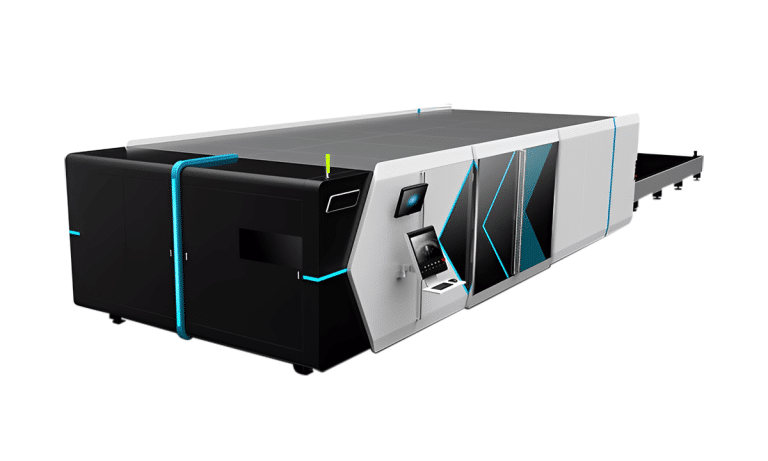
A 1064 nm lasers makes infrared light, which human eyes can’t see. These powerful lasers are often used in factories to cut through thick materials and make precise cuts in metal, and they can even work with super-tough materials like titanium.
Main Features of 1064 nm Infrared Lasers:
Light Type: The laser beam is invisible to our eyes, which makes it good for factory work. Safety equipment is always needed when working with these lasers because you can’t see the beam.
Power Level: These lasers can be very strong and cut through tough materials like steel. They work especially well with metals because metals absorb the beam better, allowing the lasers to use less power to perform their job.
Methods of Using the 638 nm Laser Color (red laser)
Marking and design
These lasers can write on plastics, ceramics and treated metals. These lasers can write on plastics, ceramics and treated metals without fading or peeling, even after a long period of time.
Laser Pointers
Teachers and speakers use these bright red pointers to highlight things on the screen. Whether you’re in the classroom or out in the daylight, the red beams are clearly visible.
Scanning Barcodes
Stores use these lasers to quickly scan items at checkout. The bright red beam helps workers see exactly where they are scanning, which means fewer errors.
Medical use
Doctors use gentle red lasers to help relieve pain. These treatments also use a specific amount of laser light to help injured areas heal faster.
Light displays
Red lasers can create sharp, bright images for shows and commercials. The beams can fill an entire wall with moving pictures that grab people’s attention.
Reading CDs
These lasers help players read information from compact discs. They work much like the lasers in a DVD player, but they can handle more data.
Methods Using 1064 nm Infrared Lasers
Cutting Metal
These powerful lasers can cut through thick sheets of steel. The cuts are very clean and precise with minimal damage to the surrounding metal.
Joining Metals
Automobile manufacturers use these lasers to weld thin pieces of metal together. The invisible beam creates a strong joint that looks neat and clean.
Making Marks
These lasers can engrave permanent marks on metals and plastics. Even after years of wear and tear, these marks remain legible.
3D Printing
Special 3D printers use these lasers to melt metal powders into precise shapes. Layer by layer, they can create complex parts that would be difficult to make by other methods.
Medical work
Doctors use these lasers to perform very precise surgeries. The laser beam can be directed to tiny areas without harming nearby healthy tissue.
Cleaning Surfaces
These lasers can remove rust and old paint without the use of harsh chemicals. The beam vaporizes the unwanted material while the intact surface underneath remains untouched.

Key Differences Between 638 nm Lasers and 1064 nm Lasers
| Feature | 638 nm Laser | 1064 nm Laser |
| Wavelength | Visible red light (638 nm) | Infrared light (1064 nm) |
| Visibility | Highly visible to the human eye | Invisible |
| Applications | Highly visible to the human eye | Cutting, welding, engraving |
| Power Output | Moderate | High |
| Material Absorption | Less effective for metals | Excellent for metals |
Why Red Lasers (638 nm) Can’t Cut Metal Well
Metal doesn’t absorb red light very well. Infrared lasers work much better because metal soaks up their light like a sponge absorbing water.
Red lasers aren’t strong enough for cutting metal. The infrared lasers used in factories can produce much more power, which they need to cut through tough materials.
The red laser beam isn’t focused enough to cut metal. Even when you concentrate the red beam as much as possible, it still can’t generate the heat needed for cutting.
Good Things About Each Type of Laser
What’s Great About Red Lasers (638 nm)
You can see the bright red beam very clearly. This makes it perfect for showing things on a screen or lining up precise marks.
These lasers can be made very small. Their compact size makes them perfect for things you can carry around, like laser pointers.
They don’t use much power to run. The red laser can work for hours on small batteries.
They can make very detailed marks on certain materials. You get clean, sharp lines when marking or drawing designs.
What’s Great About Infrared Lasers (1064 nm)
They pack enough power for heavy-duty jobs. These lasers can handle tough tasks like cutting through thick metal sheets.
They work well with many different materials. Whether it’s steel, ceramic, or other hard materials, these lasers can handle the job.
They get work done quickly and cleanly. The powerful beam means faster cutting with less wasted material.
These lasers last a long time without breaking down. They keep working well even after many hours of use.
When to Pick Each Laser Type
Pick a Red Laser (638 nm) When:
You need people to see the laser beam clearly. It shines bright and catches the eye right away.
You’re working with materials other than metal. These lasers work great for marking plastic and other softer materials.
You need something small and easy to carry. The red laser fits nicely in small devices.
Pick an Infrared Laser (1064 nm) When:
You need to cut or weld metal in a factory. These lasers have the muscle to handle tough industrial jobs.
You’re working mainly with metal parts. Metal responds much better to infrared light than to visible light.
You need to get big jobs done quickly and efficiently. These powerful lasers can work fast while using energy wisely.

Conclusion
Red lasers (638 nm) are perfect for jobs that require a clearly visible beam of light. These lasers are great for scanning merchandise in stores, marking products, and helping doctors treat patients in a gentle way.
Infrared lasers (1064 nm) are the workhorses of the laser world. Their beams are invisible but powerful enough to cut through metal, join parts together, and help create complex 3D printed objects in a way that red lasers can’t match.
Understanding which laser to choose makes a big difference. Once you understand what each laser does best, you can choose the right laser for your project – whether you need a bright beam for presentations or a powerful one for cutting metal.