
Laser welding machines are important tools used in many industries like car manufacturing, airplane building, and electronics. These machines use powerful beams of light to join metal pieces together with great accuracy and speed. Welding wire feeders make laser welding work even better by adding extra metal during the welding process automatically. The addition of wire feeders helps make stronger, more precise welds and speeds up the whole process.
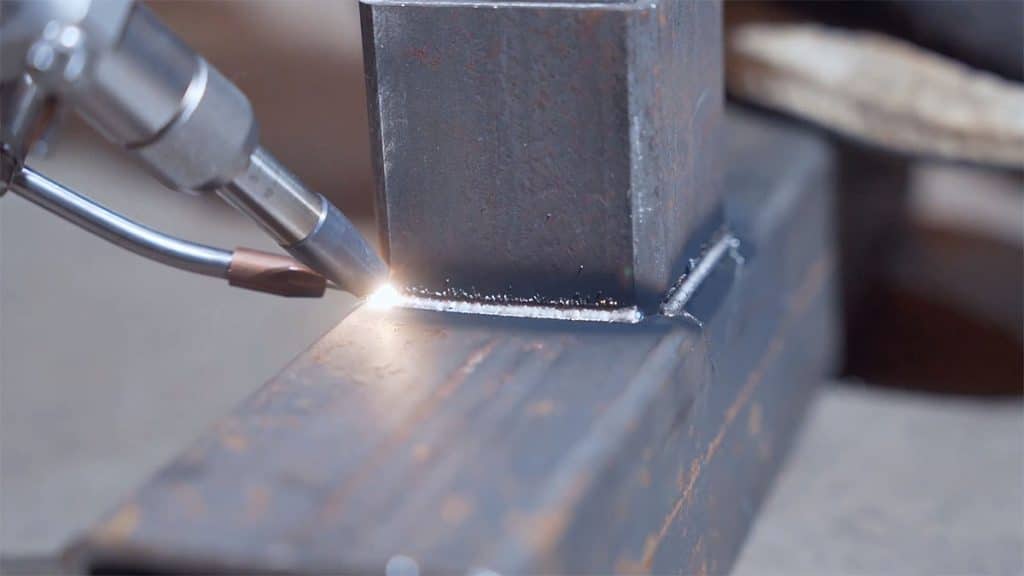
How Does Welding Wire Feeders Work?
The laser creates a hot, focused beam that heats the metal until it melts. A wire feeder then pushes metal wire into the area being welded, making the process smooth and controlled. The laser’s heat melts both the metal pieces being joined and the wire that’s being fed in, creating a strong connection between them. By changing how fast the wire moves and adjusting other settings, welders can get exactly the kind of weld they need.
Why Use a Welding Wire Feeder for Laser Welding?
Welding wire feeders are a key part of making good welds quickly and consistently. Here’s why welders use them:
Adding Metal
The wire feeder puts extra metal into the weld exactly where it needs to go. This makes the weld much stronger and longer-lasting.
Better Control
Welders can change the wire speed and laser power to control exactly how deep the weld goes. The machine keeps every weld the same.
Faster Work
Wire feeders do the job automatically, so welders don’t have to feed wire by hand. This makes the whole process much quicker.
Steady Speed
The system keeps the welding speed the same at all times. Every weld looks and works just like the others.

Parts of a Wire Feeding System A wire feeding system has these main parts:
Feed Hose:
A tube that moves the wire to where the welding happens.
Wire Holder:
A spool that holds all the welding wire.
Feeding Device:
The part that pushes the wire and controls its movement.
In computer-controlled laser welding, the welding wire feeder works together with the main control system. This lets the machine make smart adjustments to how fast and where the wire moves based on what kind of weld is needed.
Wire Feeders in Laser Welding: Key Benefits
Wire feeders help deliver the right amount of metal exactly where it is needed during the welding process. These amazing tools can be used in conjunction with a computer system to make welding faster and more efficient than ever before. Wire feeders can be used for many different types of welding jobs. By controlling the amount of wire used, these machines help save costs and reduce waste on the shop floor.
Safety Steps for Welding Wire Feeders
There are some important steps you need to follow to get good results. Be sure to purchase high-quality wire that matches the machine’s requirements and check the wire frequently to make sure it’s not bent or damaged. The laser power and wire speed must match the material being welded. Maintaining the correct temperature and speed helps prevent tiny holes from forming in the weld, which can result in a weak weld. Clean the wire feeder regularly and replace old parts to keep it running smoothly.
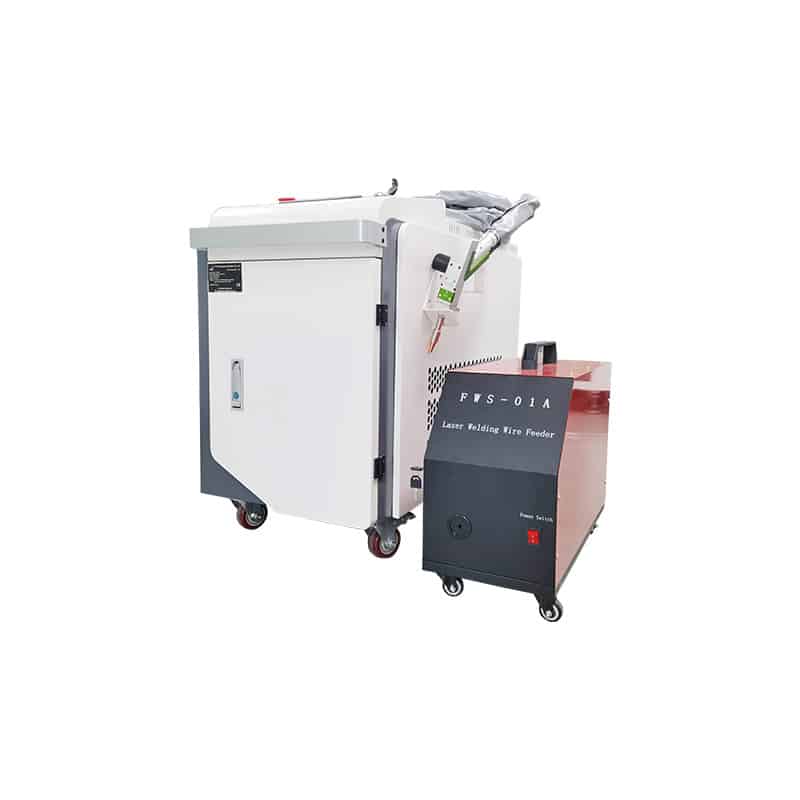
One Wire vs. Two Wire Feeders
Welding systems can use one or two wire feeders. Single wire feeders have one control unit that manages both the wire speed and power, while systems with two wire feeders give welders more control by having separate settings for each wire. Basic welding jobs work fine with one wire feeder. Two wire feeders cost more but work better for complex welding tasks that need to be very precise. Single wire feeders are a good choice for smaller jobs that don’t need perfect accuracy. Using two wire feeders makes sense in factories where speed and perfect welds are essential.
Types of Wire
Welders need different kinds of wire for different jobs. Stainless steel wire doesn’t rust and handles heat well, making it perfect for many welding projects. Aluminum wire is light and works great for cars and airplanes. Titanium wire is tough and won’t rust, so it’s good for special projects that need strong welds. Nickel wire can handle very hot conditions without breaking down. Copper wire conducts electricity really well, which makes it perfect for electrical parts.
How to select the right welding wire
There are a few key things you need to consider when choosing welding wire. The material of the wire should be the same as the metal of the workpiece you are welding, as this will help the weld to be strong. Choose thicker wire for larger gaps and thinner wire for smaller gaps. Good welding wire costs more, but won’t break while you’re working. Consider where the finished product will be used – boats need wire that won’t rust, while factory parts need wire that can withstand high temperatures.
Steps for welding with a wire feeder
First install the equipment. The work area must be clean and free of dust, oil or rust that could interfere with welding. Set the wire feeder in place and check that it is perfectly aligned with where the laser will hit. Set the wire feed speed and laser power according to the thickness of the metal. Make sure the laser beam is pointed exactly where the weld is to be made. When everything is ready, start welding and watch the wire feed into the position where the laser will hit. Keep a close eye on your work to make sure everything is fusing properly. When finished let the metal cool down, then inspect your work and clean up if necessary.

Choosing a Wire Feeder
Look at what kind of wire you’ll be using most often. Your wire feeder needs to work well with the size and type of wire you pick. Think about how you’ll use it – some welding jobs are trickier than others and need special features. Speed controls and other adjustable settings can make your work much easier.
To summarize
Wire feeders make welding work better and more exact. These machines help welders do precise work without wasting materials or time. If you pick the right equipment, take care of it, and follow the proper steps, you’ll get good results. Some newer welding machines come with wire feeders built right in, which makes everything work together smoothly.