So, what materials can be laser cleaned? The simple answer is an impressively long list of them. Laser cleaning is a versatile, high-precision technology that removes contaminants from a huge range of materials without damaging the surface underneath.
This process is ideal for removing rust, paint, oxides, and oils. It works on everything from tough metals to delicate historical artifacts. Key material categories include:
- Metals (Steel, Aluminum, Copper, etc.)
- Stone & Concrete
- Wood
- Plastics & Composites
- Rubber
- Glass & Ceramics
- Even paper and fabric!
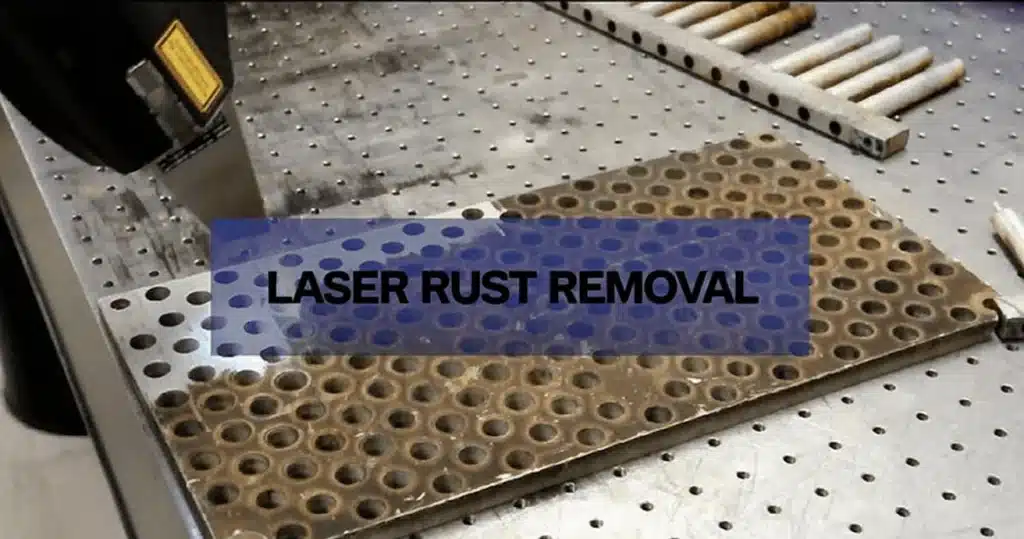
Laser-Cleanable Materials & Applications
Let’s dive deeper into the specific materials and what you can laser clean from their surfaces. We’ll explore the most common laser cleaning machines used for each category.
Metals (Ferrous & Non-Ferrous)
Metals are the most common and ideal candidates for laser cleaning. This is because of a “self-regulating” effect. Once the laser beam ablates the contaminant and hits the clean metal underneath, the reflective surface stops absorbing energy, preventing damage to the substrate.
- Cleanable Contaminants: Laser rust removal is a primary use, but it’s also perfect for laser paint stripping, removing oxide layers, oil, grease, and pre-weld contaminants.
- Common Materials: Steel, stainless steel, cast iron, aluminum (laser cleaning aluminum is very common), copper, brass, titanium, and other alloys.
- Key Applications: Restoring automotive parts, aerospace surface preparation, cleaning industrial molds, and preparing surfaces for welding or coating.
Stone, Concrete, and Ceramics
The non-contact, non-abrasive nature of laser cleaning makes it perfect for restoring architectural and historical surfaces. It avoids the pitting and wear caused by methods like sandblasting.
- Cleanable Contaminants: Graffiti, soot, atmospheric pollution, biological growth like algae or biofilm, and general grime.
- Common Materials: Marble, granite, limestone, concrete, brick, and porcelain.
- Key Applications: Restoring historical monuments, cleaning building facades and statues, and degreasing industrial ceramic components like print rollers.
Wood
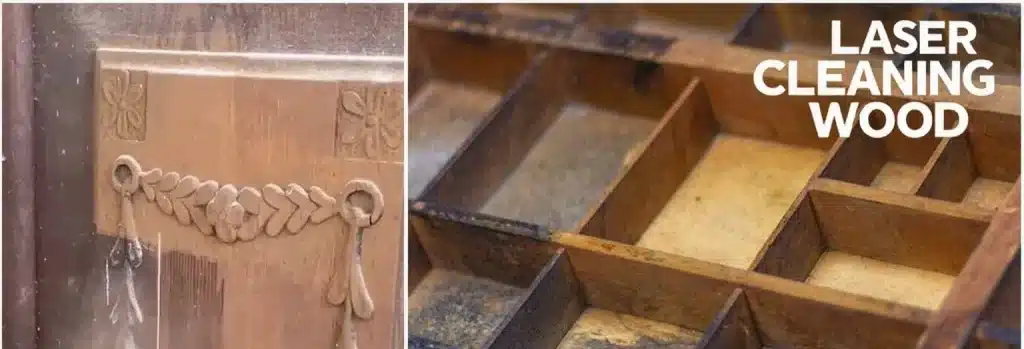
Laser cleaning wood is a valuable but highly specialized application, mainly used for delicate restoration work. The key is precision and control.
- Cleanable Contaminants: Old paint, varnish, surface dirt, and char from fire damage.
- Key Applications: Carefully restoring antique furniture, historical wooden artifacts, and architectural details without damaging the wood grain.
- Critical Caveat: Wood has a low damage threshold and can easily be charred. This requires an expert operator using low-power settings. Always test on a small, inconspicuous area first!
Plastics, Rubber, & Composites
This is another specialized area where success depends on the specific polymer being treated. It’s a fantastic solution for cleaning industrial molds without causing wear.
- Cleanable Contaminants: Mold release agents, excess adhesives, paint, and other surface residues.
- Common Materials: Certain thermoplastics like ABS or PET, natural and synthetic rubber, and Carbon Fiber Reinforced Plastic (CFRP).
- Key Applications: Cleaning molds in the tire and plastics industries, and preparing composite surfaces for bonding in automotive and aerospace manufacturing.
Glass & Paper
Grouping these two showcases the incredible precision of laser technology. It allows for cleaning where any physical contact could cause irreparable damage.
- Glass: Ideal for avoiding scratches common with mechanical methods. It’s used to clean delicate optical lenses, architectural glass, and even to restore stained glass.
- Paper: A very specialized application for restoring old documents, paintings, and books. No-touch cleaning is essential to preserve these fragile items.
What Materials Should NOT Be Laser Cleaned?
While versatile, laser cleaning isn’t a magic bullet for every material. Using it on the wrong surface can be ineffective, damaging, and even dangerous.
Materials that Release Toxic Fumes
Safety first. Never attempt to laser clean materials known to release hazardous gases when heated.
- PVC (Vinyl): Releases highly toxic and corrosive chlorine gas. This is dangerous for the operator and will damage the laser equipment.
- ABS Plastic: Can emit toxic cyanide fumes. It also tends to melt and smear rather than ablate cleanly.
- Epoxy and Coated Carbon Fiber: The binding resins can release a cocktail of hazardous fumes.
- Chrome-Tanned Leather: Can release carcinogenic hexavalent chromium, a significant health risk.
Other Unsuitable Materials
Some materials simply don’t react well to the intense energy of a laser beam.
- Highly Reflective Materials: Mirror-finished surfaces like polished chrome can reflect the laser beam in unpredictable directions. This poses a major safety risk to anyone nearby and makes the process ineffective.
- Certain Heat-Sensitive Materials: Materials with very low melting points can warp, melt, or burn before the contaminant on top is fully removed.
Laser Cleaning vs. Traditional Methods
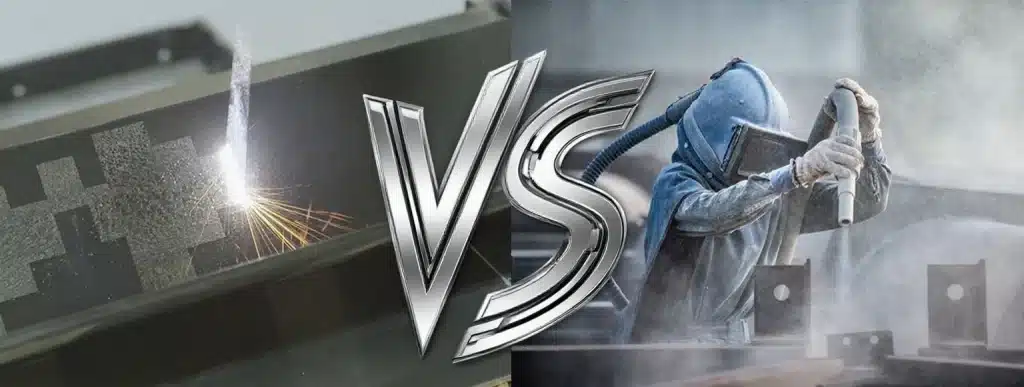
So why choose laser cleaning over tried-and-true methods? When comparing laser cleaning vs sandblasting or chemical stripping, the modern tech offers clear advantages.
- Precision: Laser cleaning is surgical. It removes only the top layer, leaving the substrate untouched. Traditional methods are often indiscriminate and abrasive, damaging the underlying material.
- Environmental Impact: It’s a green technology. There are no chemicals, no solvents, and no abrasive media to clean up. This eliminates hazardous waste.
- Operator Safety: Laser cleaning eliminates the risks of inhaling harmful dust (like silicosis from sandblasting) or exposure to caustic chemicals.
- Operating Cost: While the initial investment for a laser system is higher, the long-term operating costs are much lower. There are no consumables like abrasives or chemicals to constantly buy and dispose of.
Is Laser Cleaning Right for You?
Laser cleaning is a powerful, precise, and sustainable solution for preparing and restoring a vast range of materials. Its success comes from understanding the specific material and matching it with the right laser parameters. It truly represents the future of surface treatment.
Have a project in mind? Contact our experts today to discuss your material and see if laser cleaning is the right solution for you.
FAQs
A: It works through a process called laser ablation. The laser is tuned to an energy level that is absorbed by the contaminant (like rust or paint), causing it to vaporize instantly. The underlying material has a higher damage threshold and doesn’t absorb as much energy, so it remains unharmed.
A: Yes, it can be extremely fast and efficient, often completing in seconds or minutes what might take hours with manual methods. It’s also easily automated for even greater speed.
A: The most popular application is rust and oxide removal from metal surfaces, particularly in industrial, automotive, and aerospace settings.
A: While fiber lasers are very versatile, the ideal laser parameters (like wavelength and power) do change depending on the material and contaminant to ensure optimal results.