
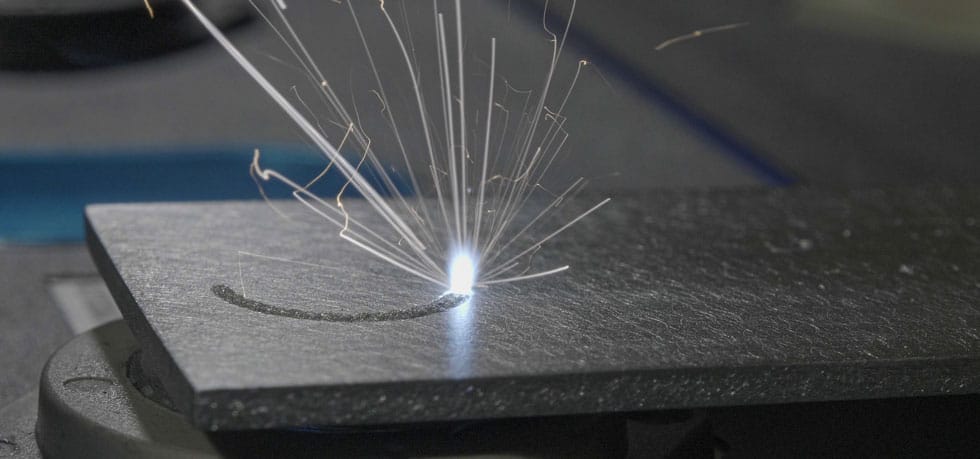
Have you ever wondered how laser welding is transforming modern industries? Why are companies shifting to laser welding technology instead of traditional methods like electric welding? This guide will explore the mechanics, benefits, applications, and future of laser welding machines, helping you determine if this advanced technology is right for your business.
What is Laser Beam Welding?
Laser beam welding (LBW) is an advanced technique that uses a highly focused laser beam to join materials with precision. Unlike traditional welding, which relies on electrical arcs or gas torches, this process provides minimal distortion, high-speed processing, and excellent strength in welds.
How Does a Laser Welder Machine Work?
A laser welder machine operates by emitting a concentrated beam of light that generates intense heat to melt and fuse materials together. The energy source can be a fiber laser welding machine, CO2 laser, or Nd:YAG laser, depending on the application.
Types of Laser Welding Techniques
Heat Conduction Welding in Handheld Laser Welding
This method is used for delicate materials, such as laser welding aluminum, where the laser beam melts the surface without penetrating too deeply. Handheld laser welding is ideal for thin sheets and intricate designs. The process ensures minimal heat distortion, which is crucial for applications requiring high precision. Many industries, including electronics and jewelry manufacturing, rely on this technique for its accuracy. Additionally, the flexibility of handheld laser welders allows for easy maneuverability in tight spaces.
Keyhole Welding with a Fiber Laser Welding Machine
For deeper penetration, fiber laser welding creates a keyhole effect, allowing for strong, deep welds in industrial applications like automotive and aerospace manufacturing. This technique involves the intense concentration of the laser beam, creating a vaporized cavity within the material. The resulting keyhole effect ensures deep and uniform welds, making it suitable for high-strength applications. Additionally, keyhole welding minimizes defects such as porosity, resulting in high-quality welds with excellent mechanical properties.
Advantages of Using a Laser Welding Machine
High Precision and Repeatability with a Jewelry Laser Welder
Jewelry laser welders are essential for crafting fine jewelry, ensuring high precision, minimal heat impact, and seamless joints. This method allows jewelers to perform intricate repairs and modifications without affecting surrounding areas. Because of its precision, this technology is widely used for delicate metals like gold and silver. Additionally, it enhances productivity by reducing post-weld finishing work, ensuring a flawless final product.
Faster Processing with a Portable Laser Welder
A portable laser welder enables mobility and high-speed welding, making it ideal for on-site repairs and small-scale production. The portability of these machines allows operators to perform welding tasks in remote locations or confined spaces. These welders also reduce downtime in manufacturing by providing instant welding solutions without requiring extensive setup. Furthermore, their efficiency makes them a cost-effective solution for businesses looking to streamline operations.
Low Heat Input and Minimal Distortion in Laser Welding Aluminum
Unlike electric welding, this process minimizes thermal distortion, maintaining the integrity of delicate and heat-sensitive materials. Aluminum is known for its high reflectivity and thermal conductivity, which can be challenging for traditional welding methods. The highly focused energy input reduces warping and improves weld strength. As a result, it is widely used in industries such as aerospace and automotive manufacturing, where material integrity is crucial.
Low Maintenance and Laser Welder Cost Efficiency
With fewer consumables and less wear, laser welder cost remains competitive compared to traditional methods. These machines require minimal maintenance since they operate without direct contact, reducing wear and tear. Additionally, the absence of electrodes or filler materials lowers operational costs. Over time, businesses benefit from lower production costs and higher efficiency, making this a long-term investment.
Easily Automated Fiber Laser Welding for High-Volume Production
Industries requiring mass production benefit from fiber laser welder as they integrate seamlessly with automation systems. Automation in this process ensures consistent and repeatable results, which is essential for industries like automotive and electronics manufacturing. These machines can be programmed to handle complex welding tasks, reducing human error. Furthermore, automation improves workplace safety by minimizing operator exposure to intense heat and radiation.
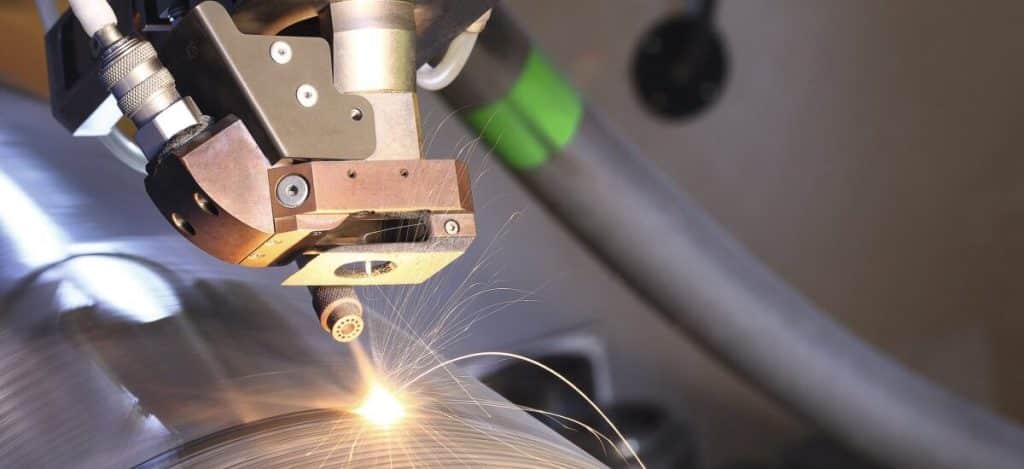
Applications of Laser Welding in Various Industries
Automotive Industry and Fiber Laser Welding Machines
From car body panels to engine components, these machines enhance efficiency in automotive manufacturing. The ability to produce high-strength welds with minimal heat distortion ensures better vehicle performance and durability. This technology is also used in battery manufacturing for electric vehicles, improving connection reliability. Additionally, it enables lightweight material welding, contributing to fuel efficiency and sustainability efforts in the automotive industry.
Aerospace Manufacturing with Advanced Laser Beam Welding
Laser beam welding ensures lightweight, high-strength joints in aircraft structures and turbine blades. The aerospace industry requires precise and defect-free welds to meet stringent safety regulations. This process provides deep penetration welds, ensuring strong and reliable connections in critical components. Furthermore, the ability to weld dissimilar metals enhances the flexibility of aircraft design and material selection.
Medical Device Production with a Small Laser Welding Machine
A small laser welding machine is crucial for manufacturing medical implants, surgical tools, and pacemakers. The precision of this technology allows for the production of intricate and high-quality medical components. Since medical devices often require biocompatibility, it provides contamination-free joins without the need for additional materials. Additionally, the process ensures minimal thermal impact, preserving the integrity of sensitive medical instruments.
Conclusion
This advanced welding method is revolutionizing various industries with its precision, speed, and efficiency. Whether you need a handheld laser welder for repairs or an automated fiber laser welder for mass production, the right solution exists for your needs. This technology continues to evolve, integrating automation, AI-driven controls, and enhanced laser sources for even greater efficiency. Businesses looking to improve production efficiency, minimize waste, and achieve higher quality should consider investing in this method.
FAQ
Is this welding method as strong as MIG?
Yes, these welds can be as strong or even stronger than MIG welds, depending on the material and technique used.
Does this welding process actually work?
Absolutely! This method is widely used across industries for its precision, minimal distortion, and high-speed capabilities.
What is the welding process?
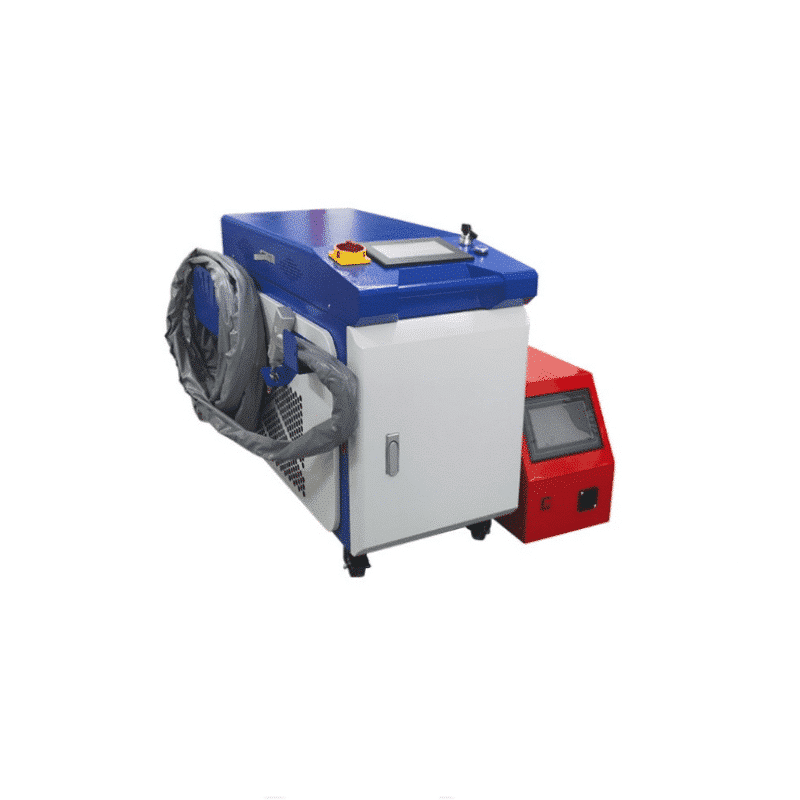
It involves using a high-powered laser welding machine to heat and join materials, offering high accuracy and minimal heat impact.
Is this method better than TIG?
In many cases, yes. It is faster and more precise and causes less material distortion than TIG welding, making it ideal for delicate and high-volume applications.