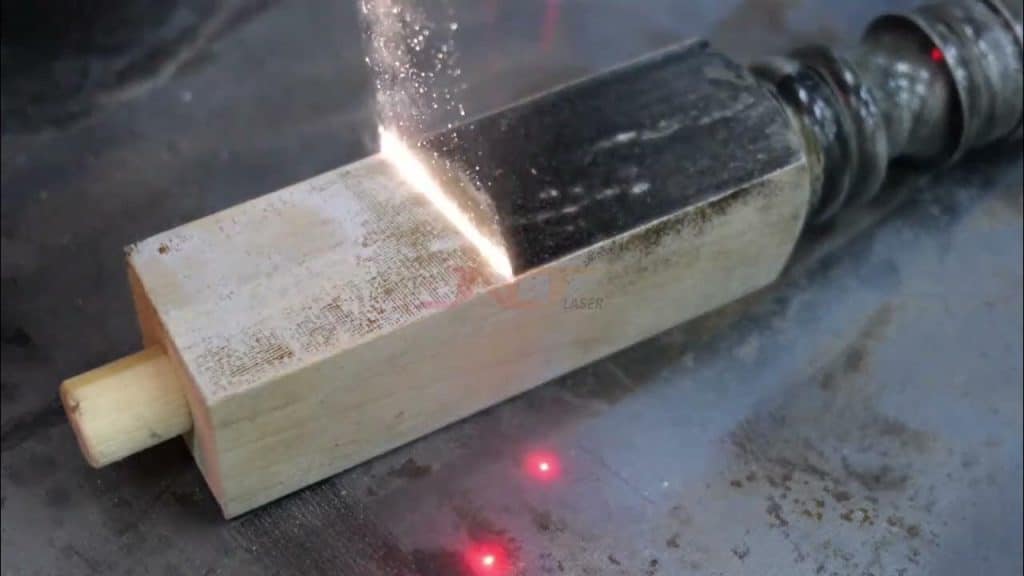
Ever seen those mesmerizing videos online where paint seems to vanish instantly under a beam of light? Often showcased by channels like Unilad or specialized tech pages, this isn’t science fiction – it’s laser paint strippers, a technology rapidly moving from high-tech labs into workshops and restoration projects. But what exactly is it, and could it be the right solution for your needs?
Laser paint stripping, also known as laser cleaning or laser ablation, is a non-contact process that uses highly focused light energy (lasers) to remove paint, varnish, rust, oxides, and other surface coatings. Unlike traditional methods that rely on harsh chemicals, abrasive blasting, or manual scraping, laser stripping offers a modern, often more precise, and environmentally conscious alternative.
Its growing popularity stems from compelling advantages:
- High Precision: Lasers can be tuned to remove specific layers without damaging the underlying material (substrate).
- Reduced Waste: Eliminates chemical sludge and abrasive media waste, leaving only fumes and particulates that are captured.
- Chemical-Free: Safer for operators and the environment, avoiding Volatile Organic Compounds (VOCs) and disposal hassles.
- Often Faster: Can significantly reduce process times, especially on complex shapes or large areas when automated.
This technology caters to a diverse range of users, from high-value industries like aerospace and automotive manufacturing demanding utmost precision, to restoration specialists preserving delicate historical artifacts, and increasingly, to smaller businesses and even dedicated DIYers exploring portable units for furniture or auto body work.
How Does Laser Paint Removal Actually Work? (The Technology Explained)
The magic behind laser paint stripping lies in a process called laser ablation.
The Laser Ablation Process
Here’s the breakdown:
- Energy Absorption: A high-energy laser beam, typically delivered in short pulses, strikes the coated surface. The paint or coating absorbs this intense light energy.
- Rapid Heating & Vaporization: The absorbed energy causes the coating material to heat up extremely quickly. This rapid temperature increase causes the paint molecules to break down and either vaporize (turn into gas) or sublimate (turn directly from solid to gas).
- Material Ejection: The rapid expansion creates a micro-plasma and a shockwave that helps eject the vaporized/sublimated material away from the surface.
(Diagram Suggestion: Simple graphic showing laser beam hitting paint layer, vaporizing it, leaving substrate untouched)
Several factors are key to making this work effectively and safely:
- Ablation Threshold: Each material has a minimum energy density required for ablation to occur. The laser must exceed the threshold of the coating but ideally stay below the threshold of the substrate.
- Pulsed Energy Release: Using short, high-intensity pulses allows for rapid heating of the coating with minimal heat transfer into the substrate, preventing damage.
- Wavelength Optimization: Different materials absorb different wavelengths of light more efficiently. Lasers are chosen (e.g., fiber lasers often operate around 1064 nm) to maximize absorption by the coating and minimize absorption by the substrate.
Substrate Safety: Protecting the Material Underneath
When the laser parameters (power, pulse duration, wavelength, scan speed) are correctly set, the energy is primarily absorbed by the target coating. The underlying material (metal, wood, stone, etc.) reflects most of the energy or doesn’t absorb it efficiently enough to be damaged. For metals, a slight surface texturing effect can sometimes occur, which can actually be beneficial, creating an ideal profile for new paint adhesion and potentially eliminating separate surface preparation steps.
Fume Generation and Essential Extraction
It’s crucial to understand that the vaporized material doesn’t just disappear. It forms fumes and fine particulate matter. Effective fume extraction and filtration systems are absolutely essential not only to protect the operator’s respiratory health but also to comply with environmental regulations and maintain a clean working environment.
Types of Laser Paint Stripping Systems: Finding the Right Tool
Not all laser paint strippers are created equal. The technology, power, and format vary significantly depending on the intended application:
Laser Sources: The Heart of the System
- Fiber Lasers: Currently the most common type for paint stripping and cleaning. They are known for their reliability, efficiency, beam quality, and suitability for pulsed operation. Often highlighted for precision work, like removing specific paint layers on cars.
- Q-Switched Lasers: A type of pulsed laser capable of generating very high peak powers in extremely short pulses. Effective for certain ablation tasks.
- Continuous Wave (CW) Lasers: Emit a constant beam. While used for some laser cleaning applications (like heavy rust), pulsed lasers are generally preferred for paint stripping due to better control over heat input and reduced risk of substrate damage.
- (Less Common) Diode Lasers: Can be used, but fiber lasers often offer better performance characteristics for demanding ablation tasks.
System Formats: Portable vs. Industrial
- Portable/Handheld Units: These are typically lower-power systems (e.g., 50W, 100W, 200W, sometimes up to 300W or 500W) designed for flexibility. They are suitable for smaller jobs, fieldwork, intricate parts, spot repairs, and are the type often considered by smaller workshops or serious DIYers/hobbyists. They require manual operation and careful technique.
- Industrial Systems: Larger, often stationary units with higher power levels (e.g., 500W, 1000W, 2000W, or even higher). These are frequently integrated with robotic arms or automated gantries for high-volume production, large surface area cleaning (like aircraft fuselages or ship hulls), and consistent results.
Power Levels: Matching Wattage to the Task
- Low Power (e.g., 50W – 200W): Suitable for delicate tasks, smaller areas, thinner coatings, or where speed is less critical. Examples include models like the LC 100.
- Medium Power (e.g., 300W – 500W): Offer a balance of speed and control for a wider range of applications, including automotive panels and industrial components. Examples might include LCM 300/500 series.
- High Power (e.g., 1000W+): Used for rapid removal of thick coatings, heavy rust, or covering large surfaces quickly, often in automated industrial settings. Examples: BLC 2000 or similar industrial models.
- Note: Higher power increases removal speed but also requires more careful control to avoid damaging the substrate. Finding the optimal power settings, along with scan speed and pulse frequency, often requires testing and adjustment for each specific job.
Key Specifications to Compare
Beyond the primary type and power, consider these factors when evaluating systems:
- Laser Type (Fiber, Q-Switched, etc.)
- Power Output (Watts)
- Pulse Energy (Joules) & Pulse Duration (Nanoseconds)
- Pulse Repetition Rate/Frequency (Hz/kHz)
- Wavelength (nm)
- Beam Spot Size / Scan Width (mm)
- Cooling System (Air-cooled vs. Water-cooled)
- Input Power Requirements (Voltage, Phase, Amperage)
- Control Interface & Software Features
- Weight & Portability (for handheld units)
- Integrated Fume Extraction (or requirements for external connection)
Where Can You Use Laser Paint Strippers? (Applications & Materials)
Laser paint stripping is versatile, finding applications across numerous fields and materials:
Industrial Applications
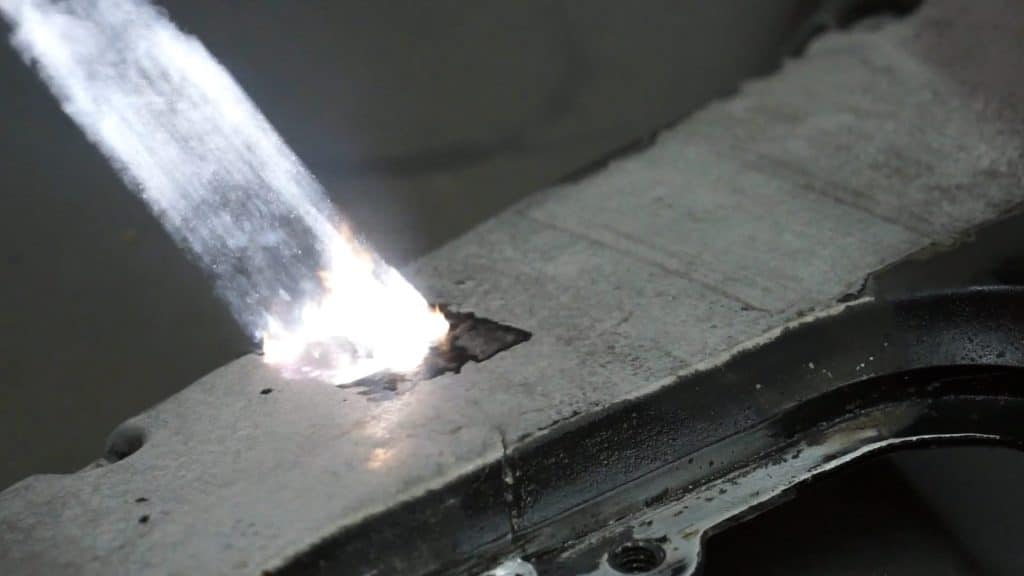
- Automotive: A major area. Used for precise paint removal on car bodies for restoration (classic cars), collision repair (removing damaged paint before respray), cleaning engine parts, and preparing surfaces. Successfully removes layers selectively, e.g., stripping top coats without harming primer or e-coat if needed.
- Aerospace: Critical for removing coatings from aircraft components for non-destructive testing (NDT), maintenance, repair, and overhaul (MRO) without damaging sensitive alloys or composites. Precision is paramount.
- Marine: Stripping paint, antifouling coatings, and rust from boat hulls, decks, and marine components during refurbishment.
- Manufacturing: Cleaning molds (injection molds, tire molds), removing oxides or coatings before welding/brazing, general industrial surface preparation, and tool cleaning.
Restoration & Delicate Surfaces
- Historical Conservation: Cleaning delicate artifacts, statues, building facades, and monuments where abrasive methods would cause irreparable damage.
- Furniture Restoration: Effectively removes old varnish, lacquer, stain, and paint from wood furniture, including intricate carvings and hard-to-reach corners where sanding or chemicals struggle. Requires careful technique on wood – see below.
- Architectural Restoration: Cleaning stone, brickwork, or metal fixtures.
Material Suitability and Considerations
- Metals (Steel, Aluminum, Iron, Copper, etc.): Excellent results for paint, primer, rust, oxides, and grease removal. As mentioned, can leave a beneficial micro-textured surface for repainting.
- Wood: Effective for removing varnishes, stains, and paints. Crucial: Requires careful adjustment of power, scan speed, and technique to avoid scorching, raising the grain excessively, or leaving visible burn marks. Lower power settings and faster passes are typically needed compared to metal. Post-cleaning steps like blowing off residual dust or a light wipe with acetone might be necessary.
- Composites (e.g., Carbon Fiber, Fiberglass): Can be effective, but require very precise parameter control as composites are often sensitive to heat. Suitability must be tested carefully for the specific material and coating. Often used in aerospace.
- Stone, Concrete, Brick: Can be used for removing paint, graffiti, pollution, and biological growth. Settings need optimization based on the specific type and condition.
- Glass: Possible for certain coating removals, but requires careful parameter selection to avoid cracking or etching.
- Plastics: Generally more challenging due to lower melting points. Feasibility depends heavily on the type of plastic and coating.
DIY/Small Scale Potential
Users searching for “small laser paint stripping machine” are often interested in portable, lower-power units (50W-200W). These can be viable for:
- Furniture stripping projects.
- Hobbyist metalwork (cleaning welds, removing rust/paint from small parts).
- Small automotive touch-ups or part cleaning.
- Removing small areas of graffiti.
However, even for small units, potential users must understand:
- Cost: Still a significant investment compared to traditional DIY tools.
- Safety: All safety precautions (eyes, fumes, fire risk) apply rigorously, even for low-power units. Proper PPE and ventilation are non-negotiable.
- Speed: Lower power means slower removal rates compared to industrial systems or even aggressive traditional methods on large areas.
Laser Stripping vs. Traditional Methods (Chemicals, Sanding, Blasting)
How does laser technology stack up against the established methods?
Head-to-Head Comparison
| Feature | Laser Stripping | Chemical Stripping | Mechanical (Sanding/Blasting/Scraping) |
| Speed/Efficiency | Often faster, less manual labor, esp. automated | Can be fast for immersion, slower for brushing | Varies greatly (blasting fast, sanding slow) |
| Precision | Very high, layer-selective possible | Low precision, affects entire area applied | Low-Medium, difficult in corners/details |
| Substrate Impact | Minimal if tuned correctly; risk if misused | Can damage wood, sensitive metals, plastics | Abrasive, removes substrate material, surface profile change |
| Waste Generation | Minimal solid waste (captured fumes/particulates) | Significant chemical sludge, rinse water contamination | Abrasive media dust and paint chips require cleanup |
| Environmental | Chemical-free, reduced footprint | Uses hazardous solvents (VOCs), disposal issues | Dust pollution (esp. silica risk), media disposal |
| Operator Safety | Laser beam (eyes!) & fume risks; requires PPE/extraction | Chemical exposure (skin, eyes, inhalation), flammability | Respiratory hazards (dust), noise, vibration |
| Setup/Masking | Often requires less masking | Requires careful masking, containment | Often requires significant masking/containment |
| Cost Profile | High initial cost, lower operational (no media/chemicals), potential consumable (lens, filters) | Lower initial tool cost, high ongoing cost (chemicals, disposal) | Variable initial cost, ongoing media/consumable cost |
Summary Pros & Cons
Laser Paint Stripping:
- Pros: Unmatched precision, no chemicals, minimal physical waste, reduced environmental impact, often faster overall process time, less masking needed, excellent for complex shapes and delicate surfaces, minimal impact on substrate when used correctly.
- Cons: Very high initial investment cost, requires specific operator training and skill, strict safety protocols are mandatory (laser radiation eye hazard, fume inhalation risk), potential for substrate damage if parameters are incorrect, requires effective fume extraction system, potential ongoing costs for protective lenses and filters.
Traditional Methods:
- Pros: Lower initial equipment cost (chemicals, sanders), well-established techniques.
- Cons: Lack precision, often damage substrate, generate significant hazardous waste (chemicals) or dust (mechanical), pose significant health risks (chemical exposure, dust inhalation), environmentally unfriendly (VOCs, disposal), often labor-intensive, require extensive masking and cleanup.
Safety First: Operating Laser Paint Strippers Responsibly
This is the most critical section. Laser paint strippers are powerful tools, and misuse can lead to serious injury or fire. Safety is non-negotiable.
Essential Personal Protective Equipment (PPE)
- Laser Safety Eyewear: This is ABSOLUTELY MANDATORY. You need safety glasses or goggles specifically rated to block the wavelength(s) and handle the power density (Optical Density – OD rating) of the specific laser system being used. Standard safety glasses offer ZERO protection against laser radiation and can lead to permanent eye damage or blindness from direct or reflected beams.
- Respirator: Ablation creates fumes and fine particulates containing potentially hazardous components from the paint and coating. A respirator with appropriate filters (e.g., P100 particulate filters, potentially combined with organic vapor cartridges depending on the coating) is essential to protect your lungs.
- Protective Clothing: Wear non-flammable clothing, preferably natural fibers like cotton or leather. Long sleeves and trousers are recommended. Depending on the setup and proximity, leather gloves and an apron might be advisable.
Work Area Safety Protocols
- Controlled Access: Set up a designated laser-safe work area. Use laser warning signs. Prevent unauthorized personnel from entering during operation.
- Ventilation / Fume Extraction: This is CRITICAL. The work area must have excellent general ventilation AND a dedicated, high-efficiency fume extraction system positioned close to the point of ablation to capture hazardous fumes and particulates at the source. Ensure filters are appropriate and changed regularly.
- Fire Safety: Remove all flammable materials (solvents, rags, paper, plastics) from the vicinity. The laser process involves heat and can create sparks. Keep a suitable fire extinguisher readily accessible.
- Reflective Surfaces: Be mindful of reflective surfaces in the work area that could inadvertently redirect the laser beam. Use diffuse or non-reflective backdrops where possible.
Safe Operating Techniques & Procedures
- Beam Awareness: Always know where the laser beam is pointing, including potential reflection paths. Never point the laser head toward people.
- Steady Motion: Use smooth, continuous movements when stripping. Dwelling too long in one spot increases the risk of substrate damage or overheating.
- Safety Interlocks: Never disable safety interlocks provided by the manufacturer.
- Accidental Triggering: Be mindful of the trigger mechanism. Some users report needing custom stands for handheld units to prevent accidental firing when setting the tool down.
- Parameter Testing: Start with lower power settings and gradually increase while testing on an inconspicuous area or scrap material to find the optimal parameters without causing damage. Skill and experimentation are key.
Importance of Training
- Formal operator training is highly recommended, especially for industrial systems but also beneficial for handheld units. Training should cover machine operation, specific safety protocols for the device, maintenance, and emergency procedures.
(Suggestion: Link to a downloadable PDF “Laser Paint Stripping Safety Checklist”)
- Pre-Operation: PPE check, work area clear, fume extraction ON, warning signs posted.
- Operation: Maintain beam awareness, use correct technique, monitor process.
- Post-Operation: Secure laser, clean area, and check filters.
Cost, ROI, and Purchase Considerations
Laser paint stripping represents a significant investment. Understanding the full cost picture and potential return is crucial.
Machine Price Ranges
- Prices vary dramatically based on power, laser type, brand reputation, features, and country of origin (“Made in China” often correlates with lower price points but may have variations in support or build quality).
- Portable/Handheld Units (e.g., 50W-300W): Can range from roughly $5,000 to $25,000+ USD. The $15,000-$20,000 figure mentioned for a furniture-focused tool fits within this.
- Industrial Systems (e.g., 500W+): Costs climb rapidly, easily reaching $50,000 to $100,000+ USD, and high-power automated systems can cost significantly more.
Total Cost of Ownership (TCO)
Beyond the purchase price, consider:
- Electricity: Consumption varies. Check the specs (kW rating). Some portable units might draw similar power to common workshop tools, while high-power industrial units have significant energy demands.
- Consumables:
- Protective Lenses: The lens covering the laser output can become contaminated or damaged and often requires regular replacement. Costs can add up (e.g., $15-$20 per lens, potentially daily replacement in heavy use).
- Fume Extractor Filters: Prefilters, HEPA filters, and potentially carbon filters need periodic replacement based on usage.
- Maintenance: Routine cleaning, potential servicing, replacement parts over time.
- Training Costs: Factor in the cost of properly training operators.
- PPE Costs: Initial and replacement costs for adequate safety gear.
Calculating Return on Investment (ROI)
Frame the purchase as an investment. Calculate ROI by comparing the laser system’s TCO against the savings achieved by:
- Eliminating chemical purchase costs.
- Eliminating hazardous waste disposal fees.
- Reducing labor time (faster stripping, less masking/cleanup).
- Minimizing rework due to substrate damage caused by traditional methods.
- Faster project turnaround times.
- Improved operator safety and reduced associated costs.
- (Potential) Eliminating separate surface prep steps.
Finding Machines “For Sale” & Services “Near Me”
- Where to Buy: Contact laser system manufacturers directly (e.g., Riselaser/Laserscheme, Laserax, CleanLASER, P-Laser, 4JET, relatable brand names if known), authorized distributors, or specialized industrial equipment suppliers. For “small laser paint stripping machine for sale,” look for manufacturers specializing in portable/lower-power units, often found via online industrial marketplaces (Alibaba, DirectIndustry) or direct inquiry. Be sure to vet suppliers carefully.
- Finding Services: If purchasing isn’t viable, search for “laser paint removal service,” “laser cleaning contractor,” “mobile laser cleaning,” adding your location (“near me”). This is a growing service industry.
Practicalities to Check Before Buying
- Electrical Requirements: Verify that the machine’s voltage (e.g., 110V, 220V, 380V), phase (single/three-phase), and frequency (Hz) match your facility’s supply. Imported machines may require power converters.
- Manual & Support: Confirm if a comprehensive manual (paper or PDF) is included. Check warranty terms and availability of technical support and spare parts.
- Included Accessories: Does it come with necessary items like safety glasses (verify rating!), different nozzle types, or a stand for handheld units?
The Future of Laser Cleaning & Related Opportunities
Laser cleaning technology is continually evolving:
Technological Innovations
- Expect ongoing improvements in efficiency, portability, and control. Developments may include smarter systems with AI-powered parameter optimization based on real-time sensor feedback, more compact and powerful laser sources, and potentially hybrid systems combining lasers with other techniques.
Related Laser Cleaning Applications
- The same laser systems, perhaps with different settings or optics, are often used for:
- Laser Rust Removal: Highly effective on metals.
- Laser Mold Cleaning: Used in various industries.
- Laser Degreasing: Removing oils and contaminants.
- Surface Texturing/Preparation: Creating specific surface profiles for bonding or coating.
Maintenance for Longevity
- Like any advanced equipment, proper maintenance (cleaning optics, checking cooling systems, replacing filters) according to manufacturer recommendations is key to ensuring long-term performance and machine life.

Conclusion: Is Laser Paint Stripping Right for You?
Laser paint stripping offers a compelling combination of precision, speed, and environmental benefits, truly representing a leap forward from many traditional methods. However, it comes with significant considerations.
The Key Trade-off: You are essentially weighing the advantages of high precision, reduced waste, chemical-free operation, and potential speed gains against a high initial investment and the absolute necessity of rigorous safety protocols and training.
Guidance Based on Needs:
- For Industrial Users (Automotive, Aerospace, Manufacturing): Where precision, speed, environmental compliance, and reducing hazardous waste are paramount, the ROI for laser stripping (especially automated systems) can be highly attractive despite the upfront cost.
- For Restoration Specialists: The non-contact, precise nature makes it invaluable for delicate or irreplaceable items where traditional methods pose too great a risk. The cost must be justified by the value and preservation needs of the objects.
- For Smaller Businesses & Workshops: Portable laser units offer intriguing possibilities, but the cost-benefit analysis versus established methods needs careful calculation. Factor in TCO and the critical safety infrastructure (especially fume extraction).
- For DIYers/Hobbyists: While technically feasible with lower-power portable units, the high cost and stringent safety requirements (proper eyewear, ventilation) make it a serious commitment, likely only justifiable for specific, recurring projects (e.g., dedicated furniture restorer, classic car enthusiast).
Ultimately, laser paint stripping is a powerful, advanced technology. When the application demands its unique benefits, and when it is operated safely and skillfully, it can revolutionize surface treatment processes.
Your Next Steps:
- Explore detailed case studies specific to your industry or application.
- Contact laser system suppliers to discuss your needs and get quotes on specific models.
- Download our Laser Paint Stripping Safety Checklist (if providing one).
- Perform a detailed ROI calculation comparing laser TCO to your current methods.
- Consider requesting a demonstration or contacting a laser cleaning service provider for a trial run.
Frequently Asked Questions (FAQ)
A: Yes, lasers can be very effective at removing durable coatings like powder coating, epoxy, and polyurethane. However, thicker or more resilient coatings will require higher power levels, slower scan speeds, or multiple passes compared to standard paints. Parameter optimization is key.
A: It depends heavily on the laser power, coating type/thickness, and substrate. For large, flat areas with thick coatings, high-power sandblasting might be faster in raw surface area covered per minute. However, lasers often win in overall process time due to reduced setup (masking), minimal cleanup, suitability for complex shapes, and potential for automation. Low-power lasers will be significantly slower than industrial blasting.
A: It can be, but it requires extreme care. Fiberglass and composites are heat-sensitive, so low-power, high scan speeds, and pulsed lasers are essential to ablate the coating without damaging the resin matrix. Plastics are generally challenging due to low melting points. Feasibility must always be confirmed through testing on the specific material. It is generally not suitable for all plastics.