
Robots with lasers are changing how we make things. These smart machines combine super-precise laser beams with robots that can move in many different ways, making manufacturing better and cheaper than ever before. We can now make things faster and with fewer mistakes.
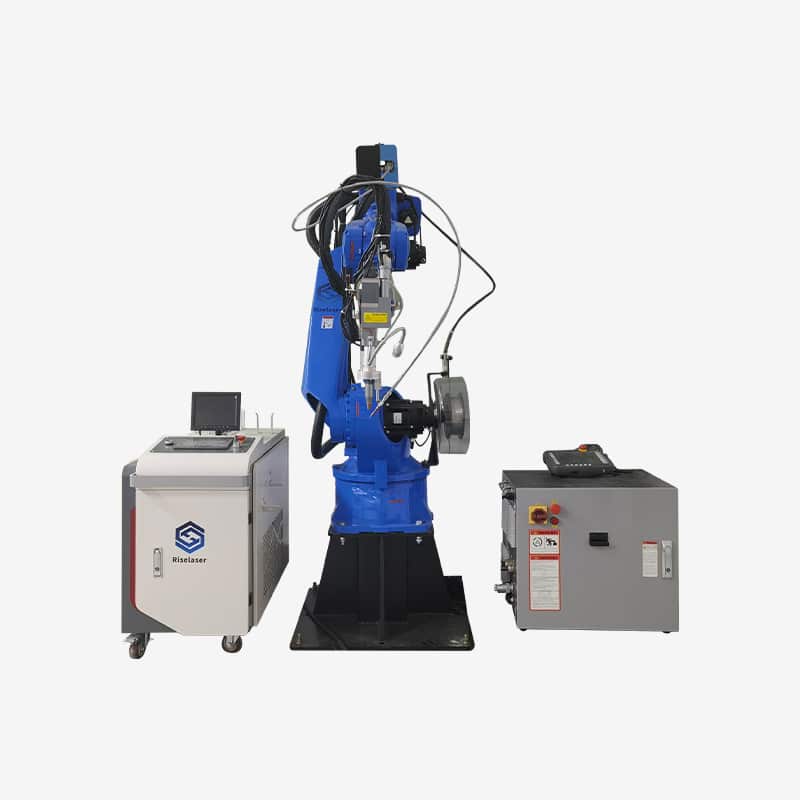
Let’s look at how these robots work in factories.
The robots use lasers to join metal pieces together without needing a person to control them every step of the way. Different sensors on the robot watch the whole process, checking things like where the laser beam is pointing and how well the metal pieces are being joined together. Each sensor has a special job – some listen for sounds, some use light, and others detect metal.
The robot’s computer uses all this information to make sure everything is working right. It can spot problems and fix them right away, which means every weld comes out looking the same and working perfectly. Workers make fewer mistakes because the robot does most of the hard work, and the factory can make more things in less time.
How Laser Robots Are Used in Different Industries
Lasers can process many different types of metals. These tools can join together regular steel, stainless steel, aluminum, and other specialty metals, and the speed at which they work depends on the strength of the laser and the thickness of the metal pieces. Laser robots are useful in many different jobs because they can handle so many materials.
In aircraft manufacturing, laser welding is very important. Lasers join metal pieces together perfectly, creating components that are both light and strong enough to be safely used in aircraft.
Automotive companies in Europe and the United States use laser welding heavily. These machines make car bodies stronger while saving on production costs, and their precise control means that each weld is just right. More and more car manufacturers are choosing laser welding because it helps them build lighter but stronger cars. Building lighter cars means they consume less gasoline and are better for the environment.
Building ships requires special welding skills. The old method of welding large metal sheets often caused them to bend out of shape and take a lot of time to fix. Laser welding prevents the metal from overheating and bending, so the job can be done in one go. This makes it perfect for building large ships.
Even furniture manufacturers now use laser welding. They can join pieces of aluminum together to create furniture that looks smooth and beautiful. This furniture is good for the environment because it can be recycled and no harmful chemicals are used.
Advantages of Laser Robots
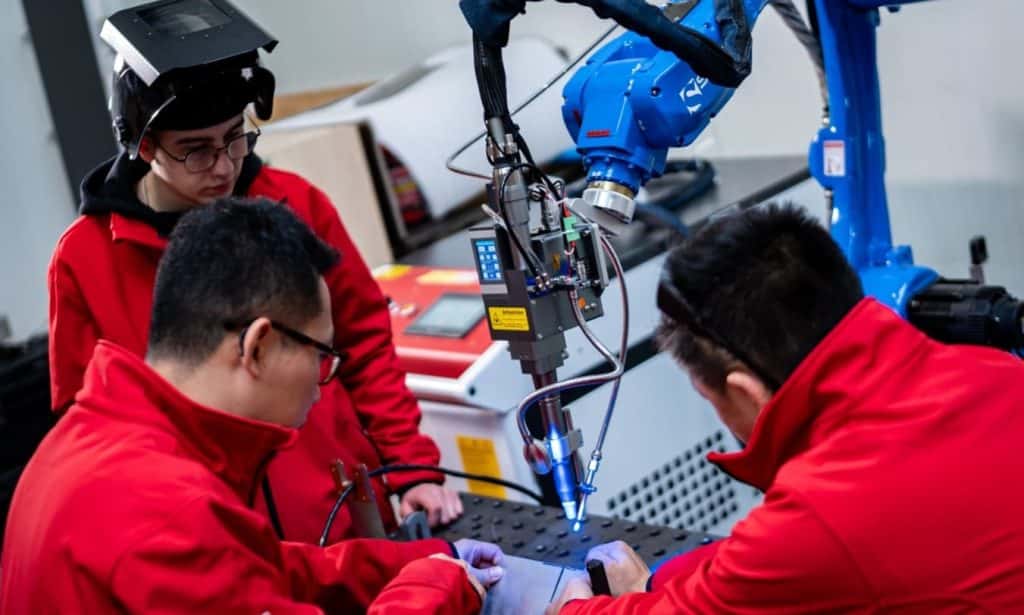
These robots never fail. They work very carefully, waste very little material, and rarely make mistakes. The robots can work around the clock without getting tired. This means that factories can produce more things faster than ever before.
Laser robots can do a lot of different jobs. They can cut metal, join parts together, and even write on surfaces like metal or plastic. Although it costs a lot of money to buy these robots initially, they can save money over time. Robots require fewer workers to operate, waste less material, and help factories work better.
These machines are also good for the environment. Laser robots don’t need special cleaning chemicals or sandpaper to do their jobs, and they create less pollution than older machines.
Future Trends in Laser Processing Technology
1. AI Integration
AI is enhancing the capabilities of laser robots. AI systems can optimize parameters in real time, improve efficiency, and reduce errors.
2. Collaborative Robots
Collaborative robots, or cobots, are designed to work alongside humans. These systems enable small businesses to perform laser processing by reducing the need for specialized training.
3. Advances in Laser Technology
New laser sources, such as fiber lasers, offer greater efficiency and better beam quality. These advances are expanding the application of laser processing robots.
4. Expanded Applications
As technology advances, laser processing robots are finding applications in emerging industries such as renewable energy, medical device manufacturing, and consumer electronics.
Conclusion
Laser processing robot technology is driving innovation across industries by providing precision, efficiency, and versatility. From automotive manufacturing to shipbuilding and home improvement, this technology is reshaping production processes while supporting sustainable development goals. As AI and laser systems continue to advance, the future of laser processing robots will bring greater opportunities for industrial applications. By investing in this technology, companies can increase productivity, reduce costs, and stay ahead in a competitive market.