
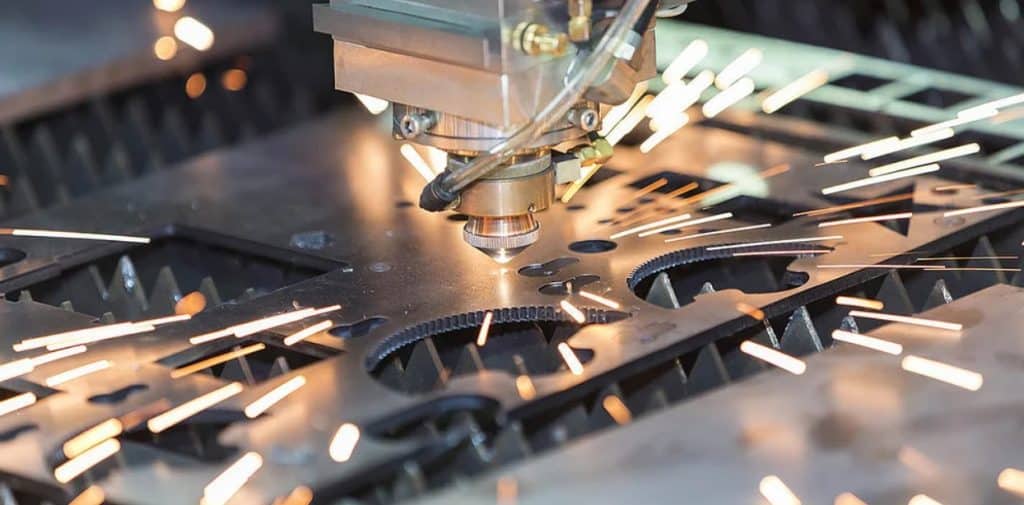
Laser cutting machines use powerful laser beams to cut through materials with great accuracy. The basic idea is pretty straightforward – the machine focuses a laser beam into a tiny, super-hot point. This concentrated beam of light heats the material until it gets so hot that it melts away or burns up. When cutting metal, the hot spot can cause a reaction with oxygen in the air. Special gases like oxygen or nitrogen blast away the melted material and help control the heat, making cuts cleaner and faster.
Key Things That Matter When Cutting
Laser Power How strong the laser is makes a big difference in how well it cuts. Some materials bounce more light away than others, so they need a stronger laser to cut through them. The laser has to be powerful enough to heat up materials that conduct heat quickly or need very high temperatures to melt. A stronger laser beam usually means you can cut faster and better.
Cutting Speed How fast you can cut depends on two main things: how thick the material is and how strong your laser is. Cutting through thicker materials takes more time because the laser has to go deeper. Scientists have found that there’s a perfect speed for getting the smoothest cuts. Moving faster needs more power from the laser, but it lets you finish more work.
Gas Flow Gases help push away the melted material while you’re cutting. The gas needs to flow hard enough to clear away all the melted bits and keep the cut clean. Different types of nozzles and gas settings work better for different materials, so you need to find the right match.
Beam Settings The way the laser beam is shaped affects how well it cuts. The size of the hot spot depends on the lens you use – longer lenses make bigger spots, and shorter lenses make smaller spots. Shorter lenses mean you have to be more careful about keeping the right distance from the material. How focused the beam is also changes how deep and fast you can cut.
Nozzle The nozzle controls where the gas goes and helps make clean cuts. Most machines use a special type of nozzle that lines up the gas and laser perfectly. You need to pick the right size nozzle for how thick your material is. The distance between the nozzle and what you’re cutting needs to stay the same for the best results.
Laser Cutting of Metal Materials
Different metals need different settings when you cut them with lasers. Each type of metal works best with its own special mix of laser power, speed, and gases.
- Carbon Steel: Adding oxygen while cutting steel makes the process really fast. The cuts come out thin and clean, with smooth edges that need little cleanup.
- Stainless Steel: Laser cutting keeps stainless steel from rusting afterwards. The heat only affects a very small area around the cut, so the metal stays strong.
- Aluminum: You need really strong lasers to cut aluminum because it’s so shiny. Once you have enough power, though, the cuts can be made quickly.
- Titanium: Oxygen can make titanium’s surface change in ways you don’t want. Using special gases that don’t react with the metal gives you better cuts.
- Nickel: These metals cut well when you use oxygen with the laser. The process is straightforward and gives clean results.
- Copper: Old-style lasers have trouble cutting copper because it’s too shiny. Newer fiber lasers work much better for copper cutting.

Laser Cutting of Non-Metal Materials
CO2 lasers work great on materials that aren’t metal. These materials soak up the laser beam better than metals do.
- Plastics, Rubber, Wood, Paper: These materials cut easily with CO2 lasers. Wood should be less than 3 inches thick for the best results.
- Leather and Fabrics: CO2 lasers make clean cuts through these soft materials. The edges come out smooth and neat.
- Quartz and Ceramics: You can cut these with strong lasers, but you have to be careful. They can crack if you’re not gentle.
- Glass and Stone: Lasers usually don’t work well on these materials. They break too easily when cut.
Making Laser Cutting Better
Use More Power: Stronger lasers cut faster through thick materials. The cuts come out cleaner too.
Find the Right Settings: Try different combinations of power, speed, and gas until you get perfect cuts. Keep track of what works best.
Let the Machine Focus: Use automatic focusing to get the right cutting height. This works better than trying to adjust it by hand.
Cut Down on Wasted Time: Move quickly between cuts to get more work done. Plan your cuts to take the shortest path.
Use Good Software: Computer programs can help plan better cutting paths. This saves material and time.
Keep Things Clean: Clean your machine regularly and replace old parts. A well-maintained machine cuts better.
Watch the Work Area: Keep dust and moisture away from your cutting area. These can mess up your cuts.
Get Better Controls: New control systems make cutting more precise. They can handle harder jobs too.
Keep Learning: New cutting technology comes out all the time. Stay informed about new lasers and better ways to cut.
Wrap-Up
Laser cutting helps make things faster and more precisely than older methods. Getting good results means paying attention to power, speed, gas pressure, and nozzle settings. Different materials need different approaches to cut well. Metal cutting works best when you think about the metal’s shininess and thickness. Non-metal materials usually cut best with CO2 lasers. Taking care of your machine and staying up to date with new technology helps you keep improving your cuts.