
Introduction
The metal processing and fabrication industry has witnessed tremendous technological advancements over the past few decades, with Computer Numerical Control (CNC) machines at the forefront of this transformation. CNC technology has revolutionized how metal components are designed, produced, and assembled, enabling unprecedented precision, efficiency, and versatility. From aerospace components to automotive parts, CNC machines have become an integral part of modern manufacturing, setting new standards for quality and performance.
The Basics of CNC Technology
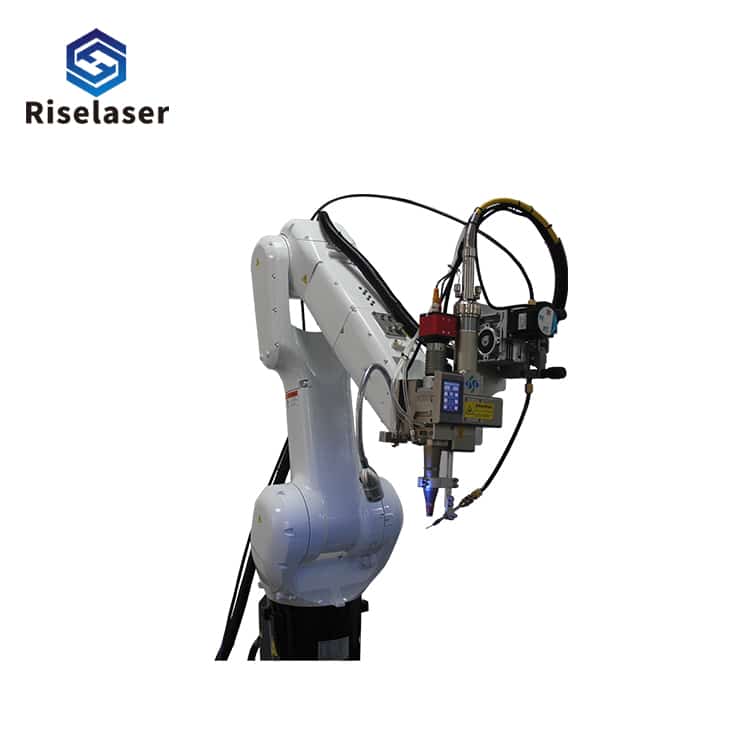
CNC machines operate by interpreting digital instructions, which control the movement of cutting tools and machinery with pinpoint accuracy. These instructions, derived from CAD (Computer-Aided Design) models, guide the CNC machine through a series of complex operations such as cutting, drilling, milling, and turning. The high level of automation reduces the need for manual intervention, significantly lowering the risk of human error.
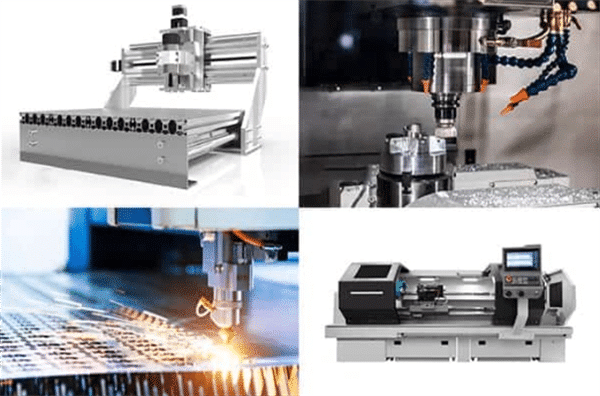
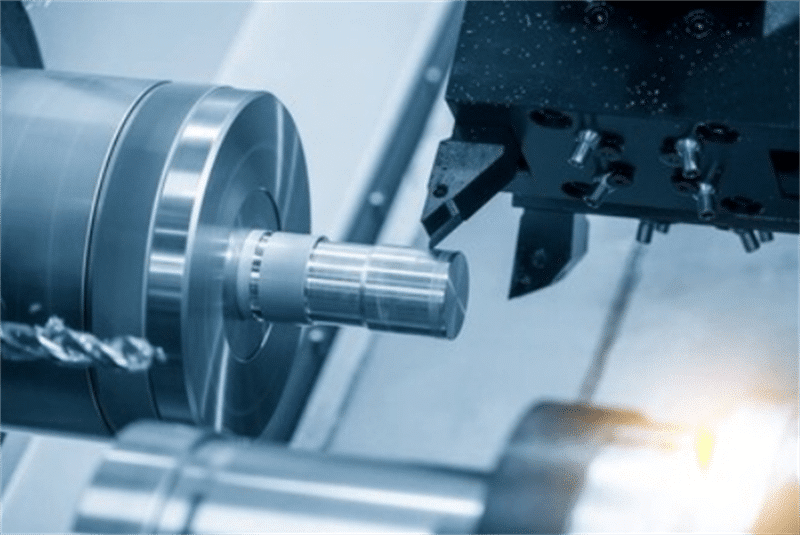
CNC machines come in various types, including lathes, mills, routers, and plasma cutters, each designed for specific applications in metalworking. For example, CNC milling machines are widely used for producing precision parts with complex geometries, while CNC lathes are essential for creating cylindrical components like shafts and bolts.
Advantages in Metal Fabrication
The introduction of CNC technology into metal fabrication has brought numerous benefits, making it the preferred choice for manufacturers aiming to enhance productivity and maintain high-quality standards.
- Precision and Accuracy: CNC machines offer exceptional precision, which is crucial in industries where tight tolerances are required. This level of accuracy ensures that each part produced meets the exact specifications, reducing the need for rework and minimizing material waste.
- Efficiency: CNC machines can operate continuously, 24/7, without fatigue, enabling manufacturers to achieve high production volumes. The automation of repetitive tasks also speeds up the production process, allowing companies to meet tight deadlines and reduce lead times.
- Flexibility: One of the key advantages of CNC machines is their versatility. They can be quickly reprogrammed to produce different parts, making them ideal for small-batch production and prototyping. This flexibility allows manufacturers to respond swiftly to changing market demands and customer requirements.
- Consistency: CNC machines ensure that every part produced is identical to the last, which is essential for maintaining quality across large production runs. This consistency is particularly important in industries like aerospace and medical devices, where the slightest variation in a component could have serious consequences.
The Future of CNC in Metal Fabrication
As technology continues to evolve, the future of CNC machines in metal fabrication looks promising. The integration of Artificial Intelligence (AI) and machine learning into CNC systems is expected to revolutionize the industry further. AI-powered CNC machines will be capable of optimizing production processes autonomously, identifying inefficiencies, and making real-time adjustments to improve performance.
Additionally, advancements in additive manufacturing (3D printing) are expected to complement CNC technology, offering new possibilities for complex part production. Hybrid machines that combine CNC machining and 3D printing are already being developed, enabling manufacturers to take advantage of the strengths of both technologies.
And with the development of the times, CNC machining will transform towards green manufacturing to achieve sustainable development by reducing waste and energy consumption. At the same time, flexibility will enable personalization to meet the modern market demand for small-lot, diversified products. These developments will drive innovation and transformation in the metalworking industry.

Conclusion
CNC machines have transformed the metal fabrication industry, providing manufacturers with the tools they need to produce high-quality, precise, and consistent components. As technology continues to advance, CNC machines will play an even more critical role in shaping the future of manufacturing, driving innovation and efficiency in metal processing.