
Laser welding technology helps many industries create items carefully and quickly. This technology continues to advance as we develop new ways to create and control lasers. New lasers that use blue, green or ultra-fast light pulses are making it easier to weld metals, especially metals that were difficult to weld in the past.
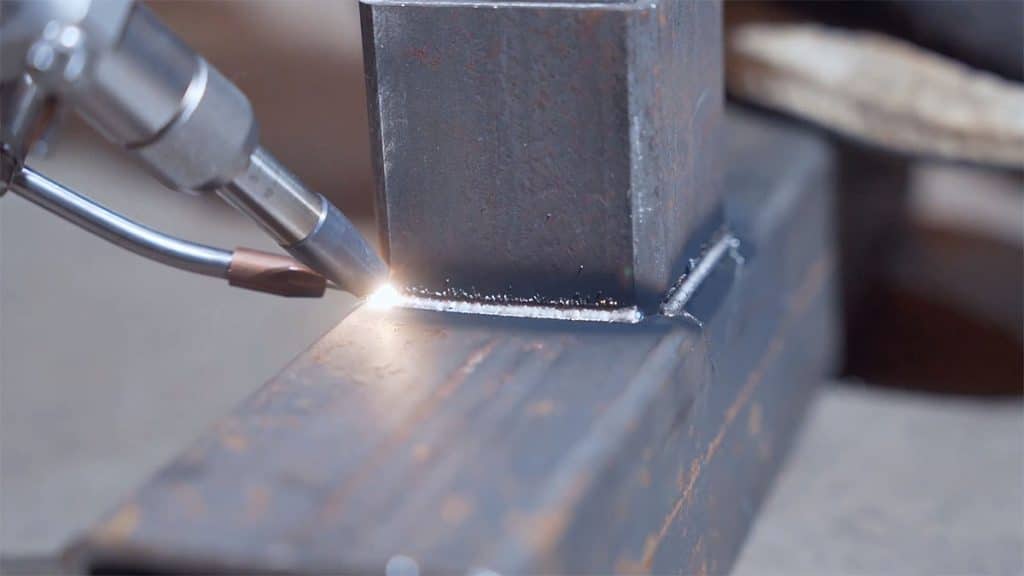
Problems with laser welding of metals
Laser welding can weld many different metals together. However, some metals are more difficult to weld than others, especially shiny metals such as gold, silver, copper and aluminum.
Here are the main problems. Shiny metals bounce off the laser and dissipate heat quickly. This means you need a stronger laser to weld them correctly, which uses more power and costs more. The metal surface needs to be very clean and prepared just right. Fast welding can create tiny holes in some metals, such as aluminum, so speed and power must be controlled very carefully.
Efficient Laser Welding of Copper
Working with Copper Copper is used a lot in electronics and electric cars because it carries electricity and heat really well. Working with copper using regular lasers is tricky because the metal reflects most of the laser light away. This is especially important when making car parts, batteries, and sensors that need copper.
Old-style lasers often have trouble welding copper properly. The heat from the laser spreads out too quickly through the copper, which makes the welding less effective. But new laser technology is helping solve these problems, making it much easier to weld copper and metals mixed with copper.
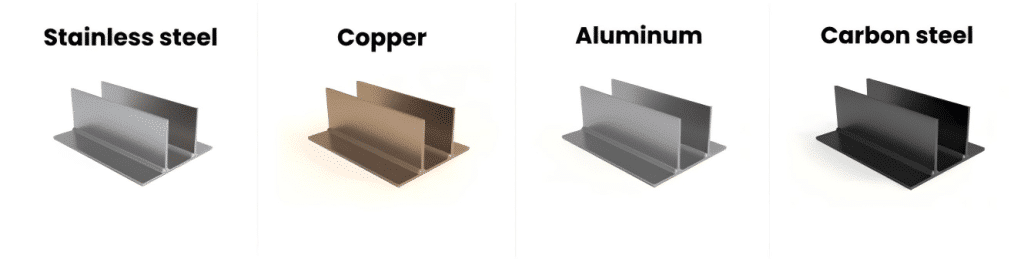
Advanced Laser Solutions
New lasers make it easier to weld shiny metals like copper and aluminum. These new tools help welders work faster and use less electricity, all while being better for the environment.
Green Laser Welding
Green lasers use a special color of light that metals absorb better. Metals absorb about 40% of the green laser light, which is much better than older lasers that only let 5% into the metal. Green lasers work well even when the metal surface is dirty or rusty. These lasers don’t make a mess when welding and work well even at high speeds.
Green lasers have changed the way we weld copper. The metal absorbs more of the laser energy, so the welds are faster and better. This means companies that make electronics and cars can save electricity and make stronger welds.
Blue Laser Welding
Blue lasers use a different color of light that works better on shiny metals. These lasers can put 10-60% more energy into metals like copper, silver, and aluminum, making them more effective. Blue lasers use 84% less power than older lasers when welding copper. Because the lasers work more precisely, the welds are cleaner and stronger as a result.
Using Two Lasers Simultaneously
Some welders now use two different lasers at the same time: one that you can see and one that you can’t. This clever setup helps the laser get deeper into the metal while using less power. When using two lasers, you need less power to make a good weld. The weld results are clean, with little mess and less chance of damaging the metal. This method is especially effective when you need to weld different types of metal together or when dealing with shiny metals that are normally difficult to weld.

Applications of Laser Welding Technology
Laser welding technology helps many different types of businesses improve their operations. Here are the ways different industries use the technology:
Automobile Manufacturing
Automakers use laser welding to join different types of metals together. Lasers can make precise welds without applying too much heat to the parts, which keeps the parts strong and straight. Newer green and blue lasers are particularly good for welding shiny metals like aluminum, which is important for making electric cars.
Electronics
Making electronics requires very careful handling of small parts. Laser welding can join tiny components like sensors and circuit boards without damaging them. Newer green and blue lasers are particularly good for welding copper, which is widely used in electronics.
Aircraft Manufacturing
Aircraft need parts that can handle extreme conditions. Lasers can control heat very precisely when welding aircraft engine and fuselage parts, which prevents them from bending or weakening. Companies use blue and green lasers to weld light metals like titanium and aluminum, which are common in aircraft parts.
Shipbuilding
Shipbuilders use laser welding to join large sheets of metal together. Laser welds create strong seams that don’t bend or twist like old-fashioned welding methods. Blue lasers are particularly well suited for welding metals used in ships, such as specialty steels and copper blends.
Medical Tools
The medical industry uses laser welding to create precision tools and implants. These items need to be welded very carefully without any heat damage. Laser welding helps to join small and complex parts cleanly and accurately.

Conclusion
Laser welding technology has gotten much better with new types of lasers like green and blue ones. These improvements have made it easier to weld tricky metals like copper and aluminum. Laser welding helps many industries work better while using less power and making stronger welds.
As laser welding technology keeps getting better, more companies will be able to use it. This technology will help them make stronger products while being better for the environment.