
You need special skills to weld stainless steel properly. This metal is tough, rust-free, and beautiful to look at, which is why many industries love to use it. Welding stainless steel can be difficult if you don’t know what you’re doing. Knowing how to work with this metal will help you make strong, clean welds and stay away from common problems.
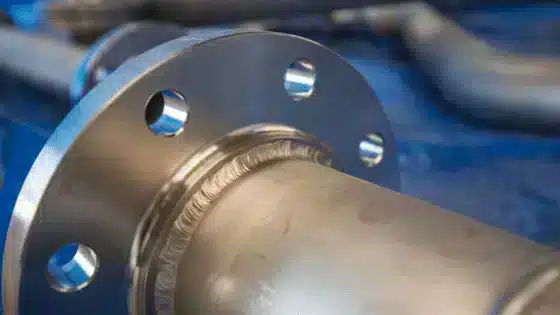
What is Stainless Steel?
Stainless steel has chromium mixed into it. This special mixture of metals helps stainless steel resist rust and stains, so people use it to make things that need to last a long time, like kitchen items, medical tools, car parts, and building materials. This metal can withstand tough conditions without cracking or breaking.
Common Problems When Welding Stainless Steel
Welding stainless steel isn’t always easy. Welding properly means knowing several problems that can arise when welding this metal. Here are the main problems you may encounter:
Heat Control
Stainless steel doesn’t like too much heat. Using more heat than necessary can cause the metal to deform or discolor badly. When welding stainless steel, you need to be very careful about how much heat you use.
Color Change
Metals often change color when welding. Near the weld, stainless steel can turn yellow or purple due to the heat. This happens when the hot metal reacts with the air, and it looks especially bad in very hot areas.
Dirty Metal
Before you start welding, you need to clean the metal. Any oil, dirt, or rust on the surface will mess up your weld and weaken it. Dirty metal can cause holes in the weld or the parts to not bond together properly.
Cracking
A weld can crack if you don’t do it right. Using the wrong heat, choosing the wrong welding wire, or putting too much pressure on the joint can all cause cracks to appear. This problem gets worse when you’re dealing with thick pieces of stainless steel.
Bad Connections
Sometimes metals don’t bond together like they should. This happens when you don’t use enough heat or don’t clean the metal well before welding. A bad connection makes the whole thing weak and can break down when you use it later.

Methods to Weld Stainless Steel
You can weld stainless steel in several different ways. Each method works best for certain types of jobs, and you should pick the one that fits your needs best. Here are the three main ways to weld stainless steel:
TIG Welding
TIG welding gives you the most control over your work. This type uses a special metal rod that doesn’t melt to create the heat needed for welding, and you add a separate wire to join the pieces together. TIG welding lets you control the heat very carefully, which makes it perfect for thin stainless steel and detailed work.
Good Things About TIG:
- You can control exactly where the heat goes, so your welds come out clean and strong. This method works on both thin and thick metal. The welds look nice and clean when you’re done.
Problems with TIG:
- Welding this way takes a long time, especially with thick metal. You need lots of practice to get good at TIG welding. The metal must be very clean before you start, or the weld won’t work right.
MIG Welding
MIG welding works faster than TIG welding and is more automatic. A wire feeds through the welding gun and melts as you go, filling in the space between the metal pieces. Many companies use MIG welding because it’s quick and works well, especially on thick stainless steel.
Good Things About MIG:
- You can weld faster than with TIG welding, which helps when you have lots of work to do. MIG welding is easier to learn than TIG welding. This method works really well for thick pieces of stainless steel.
Problems with MIG:
- You can’t be as precise as with TIG welding, so it’s not great for detailed work. Tiny holes can form in the weld if you don’t use the right protective gas. The welds don’t look as neat as TIG welds, which might matter if the piece needs to look perfect.
Laser Welding
Laser welding uses a powerful beam of light to heat and join the metal. This newer way of welding is very precise and doesn’t put too much heat into the metal, which helps keep the stainless steel from warping or changing color.
Good Things About Laser Welding:
- The heat only goes exactly where you want it, so the metal won’t bend or twist out of shape. The welds stay clean and shiny without changing color much. You can weld things quickly with a laser, which is great when you have lots of pieces to join. Laser welding uses less power than other types of welding, which saves money and helps the environment. The heat stays right where you’re welding and doesn’t spread to other parts of the metal.
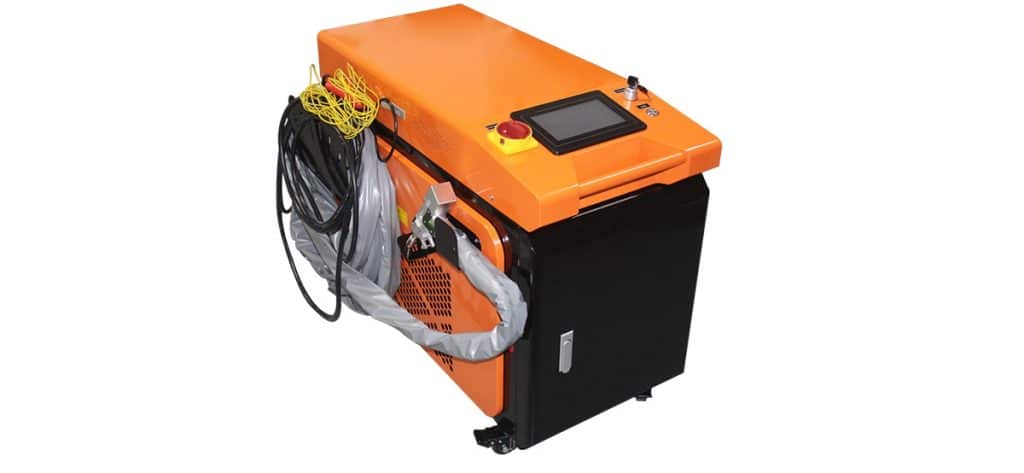
Why Laser Welding Is Best for Stainless Steel
There are many reasons why laser welding is best for stainless steel welding. Here are the main reasons why laser welding is better than other methods:
Better Heat Control
Lasers put the heat exactly where you need it. This is because the laser beam only heats a tiny spot on the metal, while the rest of it remains cool. You won’t experience warping, bending, or color changes that often occur with conventional welding.
Less Damage to Metal
Laser welding only heats a very small area at a time. This means that the metal around the weld remains strong and is not damaged while it works. The laser also prevents the metal from reacting with the air, which helps keep the stainless steel looking shiny and new.
Faster, Better Use of Time
Laser welding gets the job done faster than old-fashioned welding methods. The fast-moving laser beam helps you make more parts in less time, saving you money. This makes laser welding ideal for jobs that require a lot of parts to be made quickly.
Better Weld Quality
When you use laser welding, the weld is clean and strong. There are no holes or cracks that sometimes occur with other types of welding. This makes laser welding ideal for making items that need to be flawless, such as automotive parts, aircraft parts, and medical tools.
Uses Less Power
Laser welding doesn’t waste as much power as other types of welding. The concentrated heat means you can work faster and use less electricity to get the job done. This helps save money and is better for the environment.
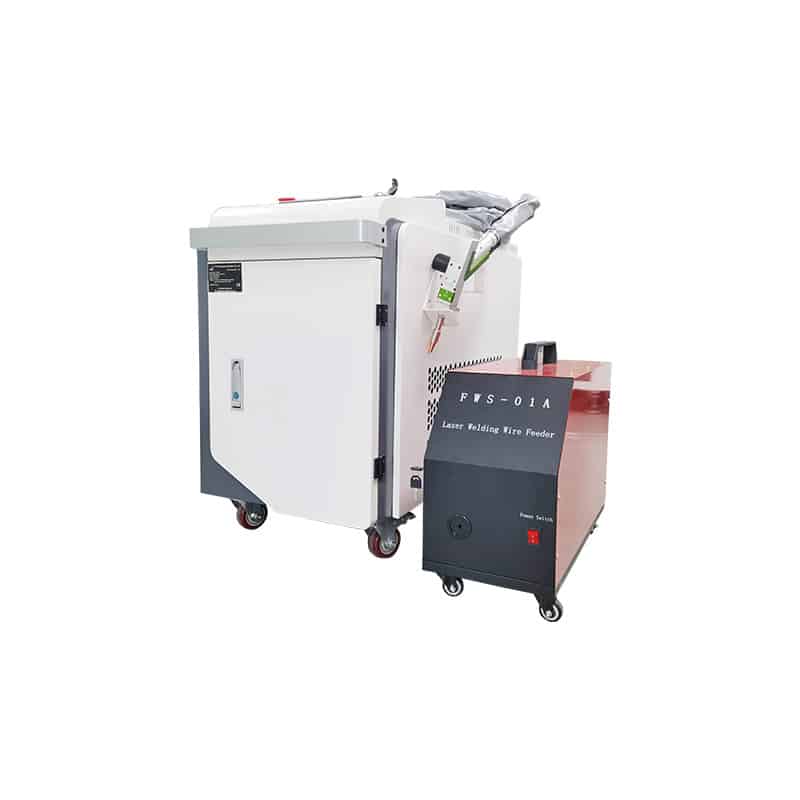
Welding Stainless Steel with a Handheld Laser Welder
A handheld laser welder is a small tool, but packs a lot of power. Ideal for small and medium-sized stainless steel projects, these machines can help you make a perfect weld every time. Here are the wattages you need for different thicknesses of stainless steel:
For thin stainless steel (one or two credit cards thick): Use a 1500-watt laser welder to get a clean, strong weld. This works best when you need to make a precise weld on thin metal.
For medium-thick stainless steel (about three credit cards thick): You’ll want a 2000-watt laser welder to ensure the laser goes deep enough into the metal. This allows the parts to stick together securely.
For thick stainless steel (about five credit cards thick): Use a 2500-watt laser welder to fully penetrate thick metal. This power level can help you make deep, strong welds that last.
These handheld laser welders allow you to work very carefully and precisely, which helps you make a great weld every time you use them.
Picking the Right Power for Handheld Laser Welders
You need to pick the right power level when welding stainless steel. For thin pieces (as thick as one or two credit cards), use a 1500-watt laser welder so you don’t overheat the metal. Using a stronger 2000-watt or 2500-watt laser welder helps make sure thicker pieces join together properly and stay strong. Riselaser handheld laser welders can work at all these different power levels, which lets you weld any thickness of stainless steel.
Conclusion
Working with stainless steel means paying close attention to every detail. Old-style welding methods like TIG and MIG don’t always work well because stainless steel is sensitive to heat and can get dirty easily. Laser welding does a much better job because it’s more precise, works faster, and controls heat better than other methods.
You can get all the good things about laser welding in a tool you can carry around. These handheld laser welders work great whether you’re joining thin or thick pieces of stainless steel together. The tools give you perfect control over your work, which helps you make clean, strong welds that look professional every time.
Picking laser welding means you’ll get better results with your stainless steel projects. Your welds will get done faster and use less power than other types of welding. Think about getting a handheld laser welder for your next project if you want the best possible results when working with stainless steel.