
Welding joins pieces of metal together. This important process helps create many different structures and products that we use every day in manufacturing, construction and other industries. Welding by hand can be difficult. However, modern welding robots are changing the way we join metal parts together, making the process better and safer.
How Welding Robots Work
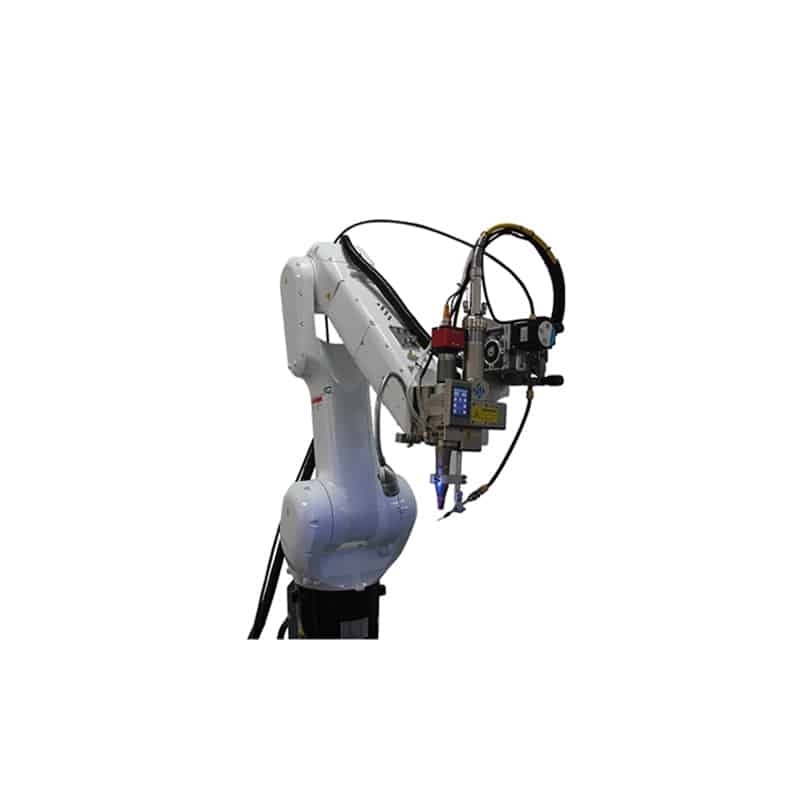
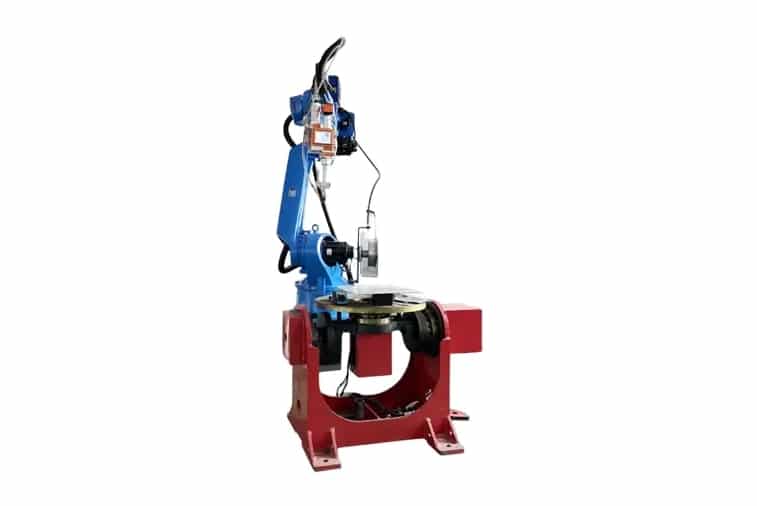
Welding robots are machines that automatically weld metal. These intelligent machines have a movable arm, a welding tool and a special sensor that helps control the entire process with great care and skill. The robot arm moves in the same way as a human welder. It follows the instructions of the computer exactly.
The computer controls everything about the welding. Specialized software guides the robot’s movements, telling it how fast to move, the angle of the torch, and how much metal to add to the weld. Welding robots can perform a variety of welds. They use different methods for welding, such as MIG welding (for steel and aluminum) and TIG welding (for delicate work that requires extra care).
Benefits of Welding Robots
Welding robots can improve work in many ways.
Better output
Robots can work all day and night without getting tired. These machines work at the same speed every hour, helping to produce more products faster. Robots never need to take breaks and can perform the same tasks over and over again.
Safer work
Welding jobs can hurt people if they are not careful. Robotic welders keep workers away from hot metal, dangerous fumes, and bright flashes of light. This makes the workplace safer for everyone.
Better Quality
Robots produce perfect welds every time. Unlike people, robots don’t get tired or lose focus after hours of work. Every weld looks the same and meets high standards. This means fewer mistakes and fewer bad weld repairs.
Save money
Buying a robot is costly at first. But over time, these machines save money by working faster and making fewer mistakes. They waste less material and can learn new tasks quickly.
Very precise work
Robots can weld all kinds of metal parts with great precision. They can weld thin or thick metals and can weld into tight areas that are difficult for human welders. Robots produce clean, strong welds every time.
Challenges and Opportunities for Welding Robots
Getting started with welding robots can be difficult. Companies need to invest a lot of money up front and make sure workers know how to use these machines. Training employees to program and repair robots also takes time. But newer robots are easier to use than older ones.
Today’s welding robots are becoming more user-friendly. Some of the newer robots can even work alongside people, which we call “assistive robots” or “cobots.” This means that small companies can now also use robots. These machines help workers do their jobs better, rather than replacing them.

Things to Consider Before Buying a Welding Robot
Companies need to think carefully before buying a welding robot. Here are some important things to consider:
Costs
Welding robots cost a lot of money at first. You have to pay for the robot, installation, and training workers to use the robot, but over time, the robot usually pays for itself through savings in labor and material costs.
Choosing the right robot
Different robots specialize in different types of welding. The robot you choose needs to match the type of welding work in your shop.
Learning to use
Workers need to learn how to use the robot safely and correctly. A good robotics company will teach workers how to use the machine and help solve problems when they arise.
Maintaining the robot
Just like a car needs an oil change, a welding robot needs regular maintenance to keep it in good working order. You will need to set aside money to repair the robot and buy new parts as the old ones wear out.
The future of welding robots
The future of welding robots is promising. With new developments in artificial intelligence, machine learning and robotics, these machines will change the way we connect metal parts. Robots are getting smarter. Increased intelligence will help them handle harder welding jobs, make better welds, and work with more precision than ever before.
Here’s what’s happening in the field of welding robots:
Through artificial intelligence, robots are learning to think like humans.This technology allows welding robots to look at their work area and make quick decisions without a human guiding them all the time. It’s becoming more common for people to work alongside robots known as “cobots” in factories. As the price of robots has dropped, even smaller companies have been able to purchase them.
Welding robots can work in many different places:
Automobile factories use a large number of welding robots. These machines put together all the parts from the frame to the doors to build cars quickly and safely. Aircraft manufacturers need welding robots to do important work. These robots make perfect welds on airplane parts that must be precise every time. Construction companies use welding robots to build large structures. Their machines help make bridges, buildings, and the heavy equipment we use every day.
Shipbuilders rely on welding robots to build large ships. These robots join huge sheets of metal together to form ships that will sail the oceans. Electronics companies use miniature welding robots. These robots work on small circuit boards and metal boxes containing electronic parts. Medical companies also need special welding robots. These precision machines help make life-saving devices like pacemakers, keeping everything clean and precise.
Conclusion
Welding robots are changing the way we make things out of metal. They help companies work faster and better while keeping workers safe and saving money in the long run. At first, these robots can be costly. But they are worth every penny because they work well and help companies make better products.
Looking ahead, welding robots will become even more important in the manufacturing industry. They can help companies work faster and make better products to keep up with their competitors. Whether they are making cars, airplanes or smaller products, welding robots are the future of manufacturing.