
Laser soldering machines and laser welding machines might look the same, but they are quite different. These tools help workers in different industries do specific jobs, like making electronics or building metal parts. The choice between these machines depends on what you need to make. These two types of machines work in different ways, use different kinds of lasers, and are good for different materials.
What is the Difference Between Laser Soldering and Laser Welding Machines?
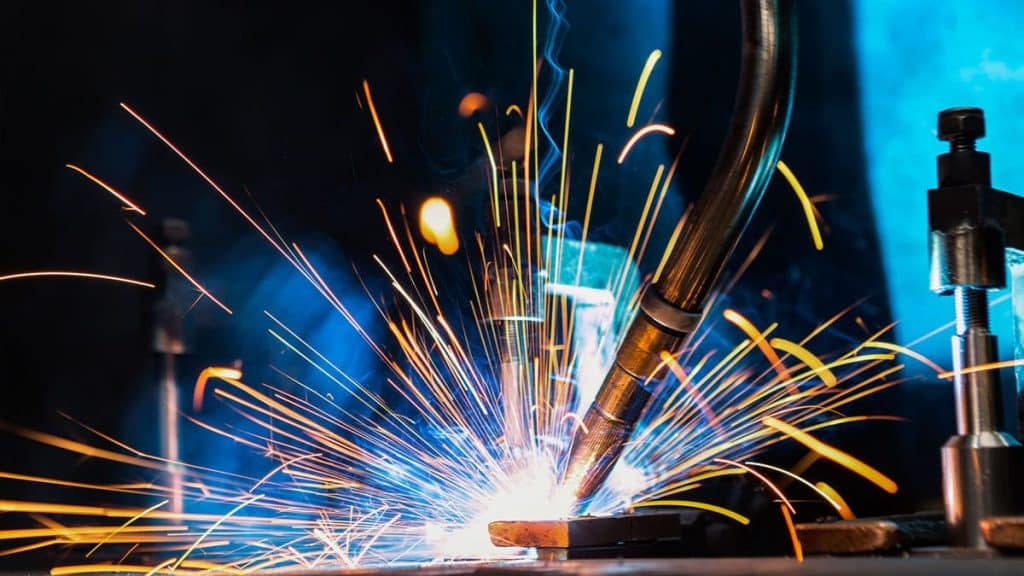
Let’s look at how each machine works. A laser welding machine uses a powerful laser beam to melt and join metals together, much like using intense heat to melt and mix two pieces of metal. The laser heats up just one spot, and the heat spreads through the metal. By changing settings like power and timing, workers can control exactly how the metal pieces join together.
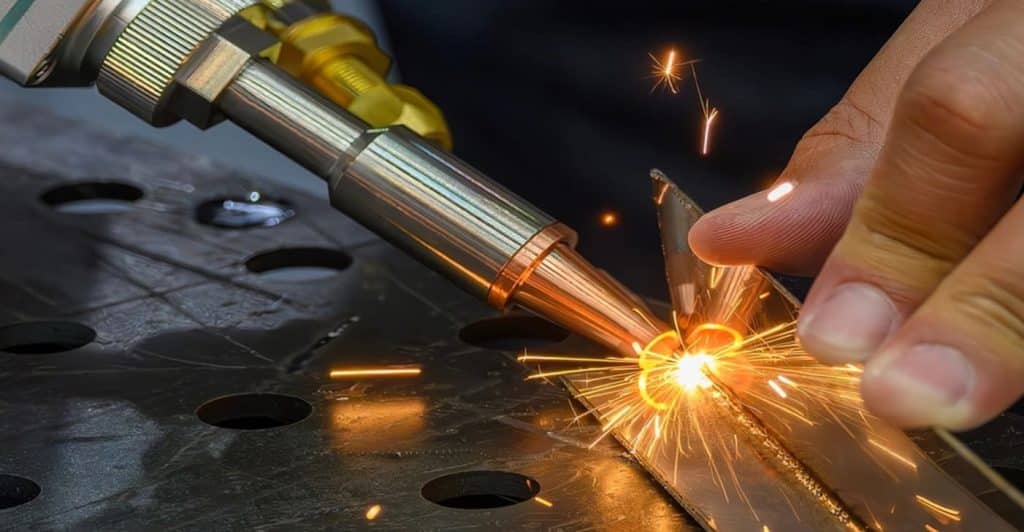
Laser soldering works differently. The machine uses a laser to heat up a special metal called solder, which helps connect small electronic parts. When the laser heats the solder, it melts and makes a strong bond between the parts without touching them directly. This careful control is perfect for working with tiny electronic pieces that could break easily.
How Does Laser Welding Work Compared to Laser Soldering?
The machines use different types of lasers too. Soldering machines use simpler lasers that shine a steady beam of light. The light they make is just right for melting solder without damaging the electronic parts. Welding machines have stronger lasers that can work in two ways – either as a steady beam or in quick pulses. These lasers are perfect for joining tough metals like steel and aluminum, and workers can switch between the two modes depending on what they’re making.
Key Applications of Laser Soldering Machines in Electronics Manufacturing
Laser soldering machines and laser welding machines are used in different kinds of work. The soldering machines are mostly used to make electronic devices and gadgets. Electronics makers use these machines for many different tasks that need careful handling. They use them to connect tiny computer parts and other small pieces without breaking them.
Soldering machines are perfect for working with parts that can’t take too much heat. These machines help build cell phones, computer boards, and TV screens by carefully joining their parts together. Welding machines, however, are used in many more types of work than soldering machines. Car makers use them to build strong car frames and parts, while airplane companies use them to make plane parts that need to be very strong and exact.

Equipment Design and Structure
The machines are built differently too. A soldering machine has a special head that points the laser at the metal that joins parts together. This head connects to a control system that lets workers change things like how hot the laser gets and how fast it moves, and the whole machine is small enough to fit easily in a factory line. Welding machines are much bigger and more complicated. They have powerful lasers and special mirrors that guide the laser beam where it needs to go, plus a big platform to hold heavy parts while they’re being joined together.
Power Consumption Differences Between Laser Soldering and Laser Welding Machines
The two types of machines use very different amounts of power. Soldering machines don’t need much power because they’re doing small, careful work. These machines work great with less than 100 watts of power, which is about as much as a bright light bulb uses. Welding machines need way more power to work – sometimes up to 6,000 watts – because they have to melt thick pieces of metal together. That’s why they use much more electricity, sometimes as much as 70 air conditioners running at once.
Materials and Process Precision
Laser soldering machines are best for working with tiny, fragile parts. These machines let workers control exactly how much heat they use, so they don’t damage anything nearby when joining parts together. Many electronics makers choose these machines because they can work on the smallest computer parts without causing any problems. The careful control these machines provide makes them perfect for putting together circuit boards and other electronic pieces.
Laser welding machines can handle much bigger jobs. These powerful machines are great for joining thick pieces of metal like steel, aluminum, and copper, and they can be used in many different kinds of work. The welding process has to be very exact to make strong connections that will last. Workers use these machines in car factories, airplane manufacturing, and many other places where they need to join metal parts together.
Maintenance and Service Life
Taking care of these machines is different too. Soldering machines are pretty simple to maintain since they don’t have many moving parts, and they can usually work for more than 100,000 hours if you take good care of them. The main thing workers need to do is keep the laser parts clean. Welding machines need more attention and care. These bigger machines have cooling systems and more parts that need to be checked regularly, and workers need to adjust them more often to make sure they keep working well.
Cost Comparison: Laser Soldering Machines vs. Laser Welding Machines
The price difference between these machines is big. A soldering machine usually costs between $2,000 and $10,000, which makes it a good choice for smaller companies that make electronics. Welding machines cost much more money. A welding machine can cost anywhere from $3,000 to $15,000, depending on how powerful it is and what special features it has. Even though they cost a lot, many businesses buy them because they can do so many different jobs and work very quickly.

Why Choose Laser Soldering or Laser Welding for Your Business?
Both types of machines use lasers, but they serve very different purposes. Small electronics companies usually need soldering machines for careful, precise work on tiny parts. Big factories and manufacturing companies often choose welding machines because they need to join larger pieces of metal together. Picking the right machine depends on what kind of work you need to do.